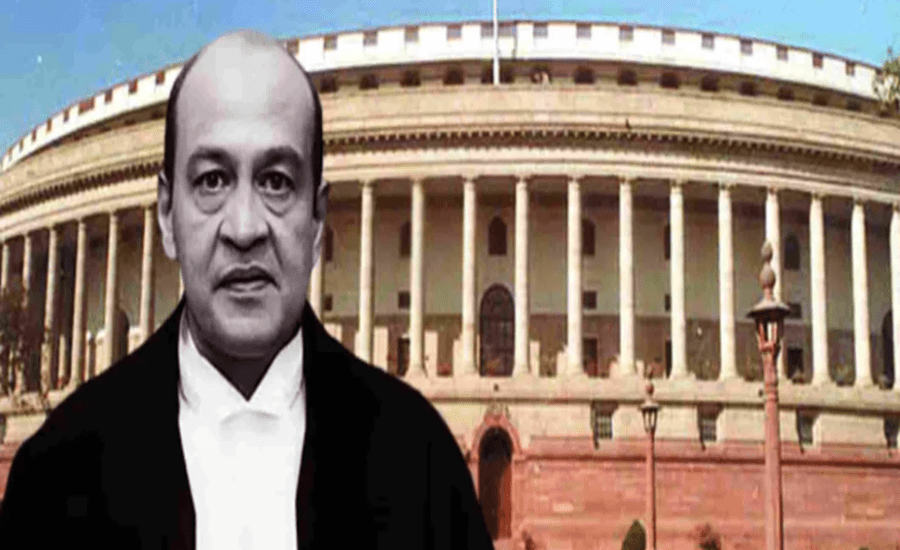
New Delhi: The Justice Yashwant Varma resignation before impeachment has become a major development in India’s legal and constitutional landscape. This rare event has drawn attention because impeachment of judges in India is extremely uncommon.
Justice Varma chose to resign before the process could be completed, making it only the third such instance in Indian history. The case highlights how accountability works in the judiciary and raises important questions about transparency, ethics, and institutional integrity.
What Happened in the Justice Yashwant Varma Resignation Case?
Justice Yashwant Varma resigned from his position before the impeachment process could be concluded.
- Allegations were serious enough to trigger discussions on impeachment.
- The process had not fully concluded when he stepped down.
- His resignation effectively halted further impeachment proceedings.
Read also: District Judge Appointments: Supreme Court Lays Down Key Guidelines on Reinstatement and Seniority
This move is significant because impeachment is a long and complex constitutional process, and resignation before completion is extremely rare.
Justice Yashwant Varma Resignation: How Impeachment of Judges Works in India
The removal of a judge is governed by the Constitution and the Judges Inquiry Act, 1968.
Step-by-step process:
- A motion is introduced in either House of the Parliament of India.
- The motion must be supported by:
- At least 100 MPs in Lok Sabha, or
- 50 MPs in Rajya Sabha.
- A committee is formed to investigate the charges.
- If charges are proven, both Houses must pass the motion with:
- A special majority.
- The President then orders removal.
This makes impeachment extremely difficult and rare, ensuring judicial independence while allowing judicial accountability.
Why Resignation Before Impeachment Matters
When a judge resigns before impeachment:
- The formal process stops immediately.
- No final verdict on allegations is recorded through Parliament.
- It avoids a prolonged constitutional and political process.
However, it also raises concerns about:
- Lack of final institutional accountability
- Public clarity on the allegations
Previous Impeachment Cases in India
India has seen very few impeachment attempts. Here are the key cases:
1. Justice V. Ramaswami (1993)
- First-ever impeachment motion in India.
- Faced charges of financial misconduct.
- The motion failed in Lok Sabha due to abstentions.
- He continued in office until retirement.
2. Justice Soumitra Sen (2011)
- Judge of Calcutta High Court.
- Accused of financial irregularities.
- Rajya Sabha passed the impeachment motion.
- He resigned before Lok Sabha could vote.
3. Justice P.D. Dinakaran (2011)
- Chief Justice of Sikkim High Court.
- Faced allegations related to land and corruption.
- He resigned before the impeachment process concluded.
Justice Varma’s case now becomes the third instance where resignation happened before completion of impeachment.
Justice Yashwant Varma Resignation: Why Such Cases Are Rare in India
Impeachment is uncommon because:
- Judges are protected to ensure independence.
- The process requires very high political consensus.
- Investigations are detailed and time-consuming.
This balance ensures:
- Judges are not easily removed due to political pressure.
- But serious misconduct can still be addressed.