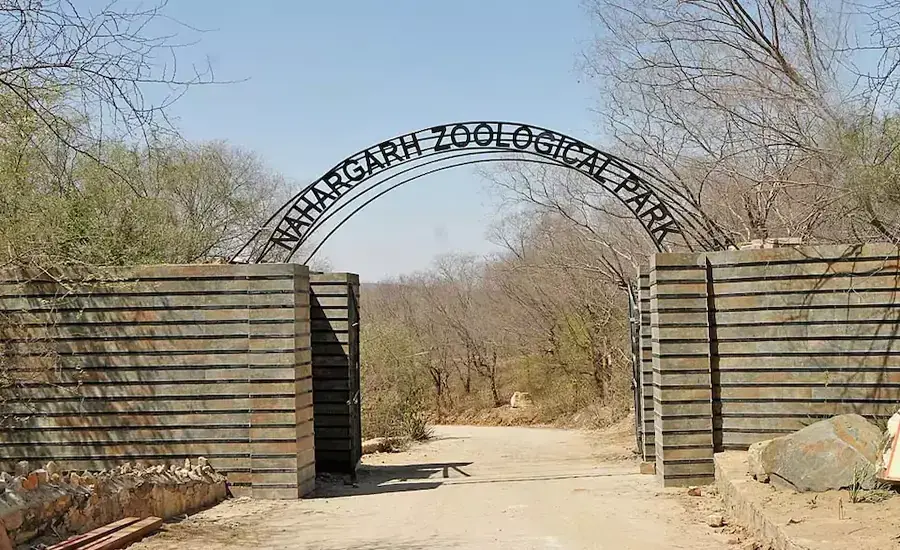
Jaipur, Rajasthan: As a severe cold wave grips Rajasthan, authorities at Nahargarh Biological Park have intensified winter care measures to safeguard the health and well-being of wildlife housed in the park.
With night temperatures plunging sharply in Jaipur and surrounding regions, the park administration has implemented a comprehensive cold-weather action plan, including heating arrangements, insulated shelters, and nutritionally enhanced winter diets for animals.
The move comes amid rising concerns over the impact of prolonged cold conditions on captive wildlife, particularly carnivores, herbivores, birds, and rescued animals that are more vulnerable to seasonal stress.
Cold Wave Triggers Emergency Winter Protocols in Nahargarh Biological Park
Over the past few days, Jaipur has witnessed a significant drop in minimum temperatures due to an active cold wave sweeping across northwestern India.
Read also: 5 Cub Births at Nahargarh Biological Park: A Historic First in Rajasthan
Meteorological warnings prompted wildlife authorities to activate winter preparedness measures at Nahargarh Biological Park, which is located in the Aravalli foothills and experiences lower night temperatures compared to the city plains.
Officials confirmed that the winter protocol is reviewed annually but has been reinforced this year due to persistent cold conditions.
Nahargarh Biological Park Winter Care: Heaters Installed in Animal Enclosures
To protect animals from extreme cold, electric heaters and heat lamps have been installed in multiple enclosures across the park.
These arrangements are particularly focused on:
- Big cats such as tigers and leopards
- Herbivores including deer and antelopes
- Rescued and elderly animals
- Birds sensitive to temperature fluctuations
- Straw bedding and insulated flooring have also been added to enclosures to retain warmth during night hours.
According to park officials, heating devices are placed carefully to avoid any risk of injury or stress to animals, while ensuring adequate warmth throughout the enclosure.
Nahargarh Biological Park Winter Care: Special Winter Diet Introduced for Wildlife
Along with heating arrangements, the park has introduced a special seasonal diet to help animals maintain body temperature and immunity during winter.
Key dietary enhancements include:
- Increased quantity of meat and fat content for carnivores
- Addition of jaggery, gram, and oil-rich feed for herbivores
- Nutrient-dense supplements to boost energy levels
- Warm drinking water provided at regular intervals
Veterinary experts have emphasized that animals require more calories during winter to regulate body heat, making dietary adjustments a critical component of winter care.
Round-the-Clock Health Monitoring by Veterinary Team
A dedicated team of veterinarians and animal caretakers is conducting continuous health monitoring of all animals. Regular inspections are being carried out to detect early signs of cold stress, respiratory issues, or behavioral changes.
Officials stated that animals showing even mild symptoms of discomfort are immediately shifted to warmer shelters and provided medical attention if necessary.
Preventive Measures to Avoid Seasonal Illness
To prevent the spread of winter-related infections, sanitation and hygiene inside enclosures have been strengthened. Enclosures are being kept dry, and exposure to cold winds is minimized using protective coverings.
The park administration has also restricted unnecessary movement of animals during early morning and late evening hours, when temperatures are at their lowest.
Commitment to Animal Welfare During Extreme Weather
Authorities at Nahargarh Biological Park reiterated that animal welfare remains a top priority, especially during extreme weather events. The park follows guidelines issued by wildlife and veterinary authorities to ensure ethical and humane care of captive animals.
With winter expected to persist for several more weeks, officials confirmed that all special arrangements will continue until temperatures normalize.
Rajasthan Wildlife Parks on High Alert
Nahargarh Biological Park is not alone in adopting winter protection measures. Several wildlife parks and zoos across Rajasthan have been placed on high alert as cold conditions intensify, reflecting a statewide effort to protect wildlife during harsh seasonal changes.