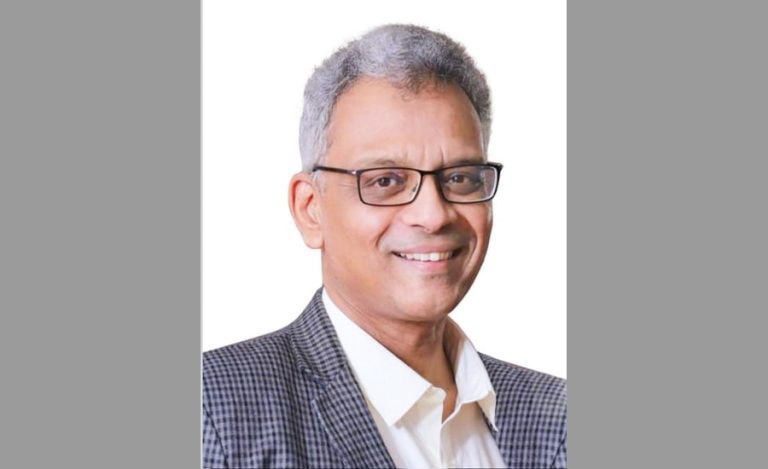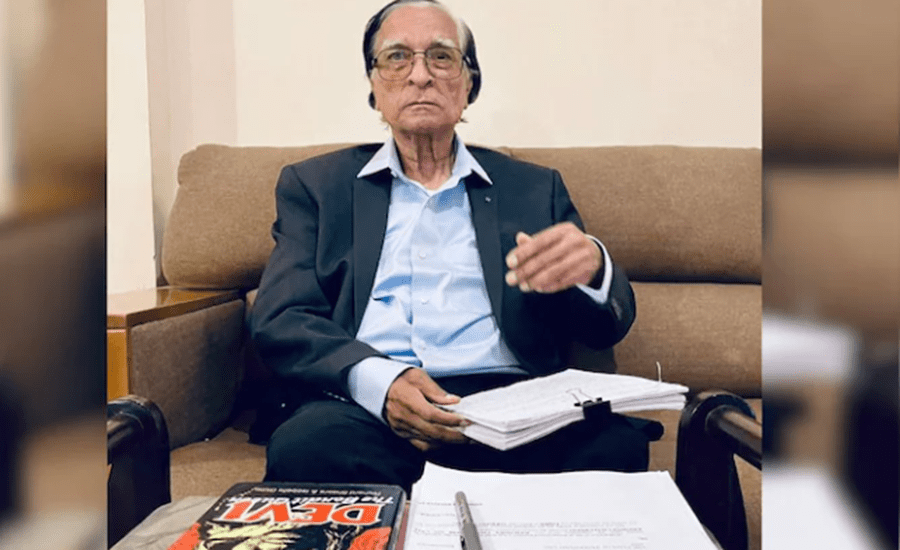
The nation has lost one of its most courageous and respected police leaders with the passing of former IPS officer Rajendra Chaturvedi. A 1969 batch officer of the Madhya Pradesh cadre, he was widely regarded as one of the most influential police officers of the 1980s. His strategic leadership was central to the peaceful surrender of the dreaded dacoits who once terrorized the Chambal ravines.
He breathed his last at 11 pm on December 7 in a hospital in Ranchi, Jharkhand, leaving behind an enduring legacy in policing and public service.
Pivotal Role in Historic Dacoit Surrenders
Mr. Chaturvedi’s tenure as Superintendent of Police in Bhind brought him national attention. He played a decisive role in persuading several notorious dacoits to surrender, including:
• Malkhan Singh
• Phoolan Devi
• Ghasa Baba
Before surrendering in 1982, Malkhan Singh had dominated the region with more than two decades of criminal notoriety. Instead of force, Mr. Chaturvedi used dialogue and trust-building to create an environment that encouraged peaceful surrender.
His influence continued with the high-profile surrender of Ms. Phoolan Devi, known as the “Bandit Queen,” who laid down arms in 1983 before the then Chief Minister Arjun Singh. Mr. Chaturvedi was the key strategist behind this complex operation, ensuring the process remained peaceful and transparent.
A Career Defined by Discipline, Integrity and Reform
Throughout his postings in Bhind, Gwalior and Chhatarpur, Mr. Chaturvedi earned a reputation for balancing firmness with empathy. His administrative clarity, calm decision-making and strong crisis-management skills made him one of Madhya Pradesh’s most trusted police leaders.
He later served as the Director General of Prisons, where he supported reforms, modernization efforts and skill-building in prison administration. His forward-looking approach helped police units adopt better technology and improve operational efficiency.
Champion of Public-Oriented Policing
Mr. Chaturvedi believed strongly in community engagement. During his years of service, he worked to reduce friction between citizens and the police. His accessible style, coupled with professional authority, made him a respected figure both within the force and among local communities.
He consistently advocated for training and capacity-building, emphasizing the need for updated skills, better coordination and stronger service delivery across police units.
Deeply Admired for His Humanity and Work Ethic
Colleagues remember him as strict yet compassionate, authoritative yet approachable. His sensitivity toward public concerns and willingness to engage in dialogue earned him admiration from officers and civilians alike.
His role in the Chambal surrenders remains one of India’s most successful examples of conflict resolution through strategy, communication and humane policing.
A Legacy That Continues Beyond Retirement
Even after retiring, Mr. Chaturvedi remained connected to public welfare. He mentored civil-service aspirants, advised on policing reforms and contributed to community-oriented safety initiatives. His commitment to public service continued long after he left active duty.
His passing has deeply saddened the police community, administrators and countless individuals who witnessed his leadership.
Also Read: Haryana Government Sends DGP Panel to UPSC; IPS Shatrujeet Kapur Unlikely to Return as DGP