There are some professions where danger is an occasional possibility. For a Central Armed Police Forces officer operating in an insurgency-affected jungle, danger is part of the job description.
For Ritesh Randhir, who cleared the UPSC CAPF Examination in 2018, the journey into the armed forces began long before he ever wore the uniform. As a child, he was drawn to Taekwondo and kickboxing. He joined the NCC. Even while pursuing his master’s degree in the UK, the idea of serving in the armed forces remained firmly rooted in his mind.
Civil services preparation only sharpened that ambition. The IPS was his first preference, but the CAPF examination was the other examination he chose to pursue. Within the CAPF, he already knew where he wanted to go.
The CRPF was on his wish list.
And eventually, the journey took him into one of its most demanding operational environments.
Also read: From Delivering Milk to Dreaming of Leading the BSF: Deepak Lakhara’s Journey to AIR 106
When the Jungle Becomes the First Enemy
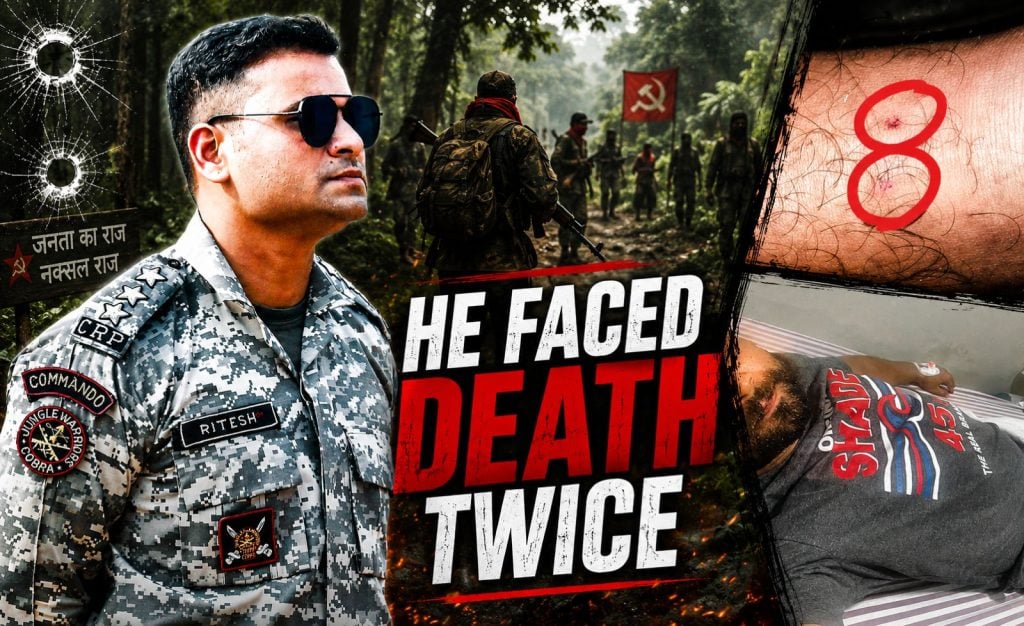
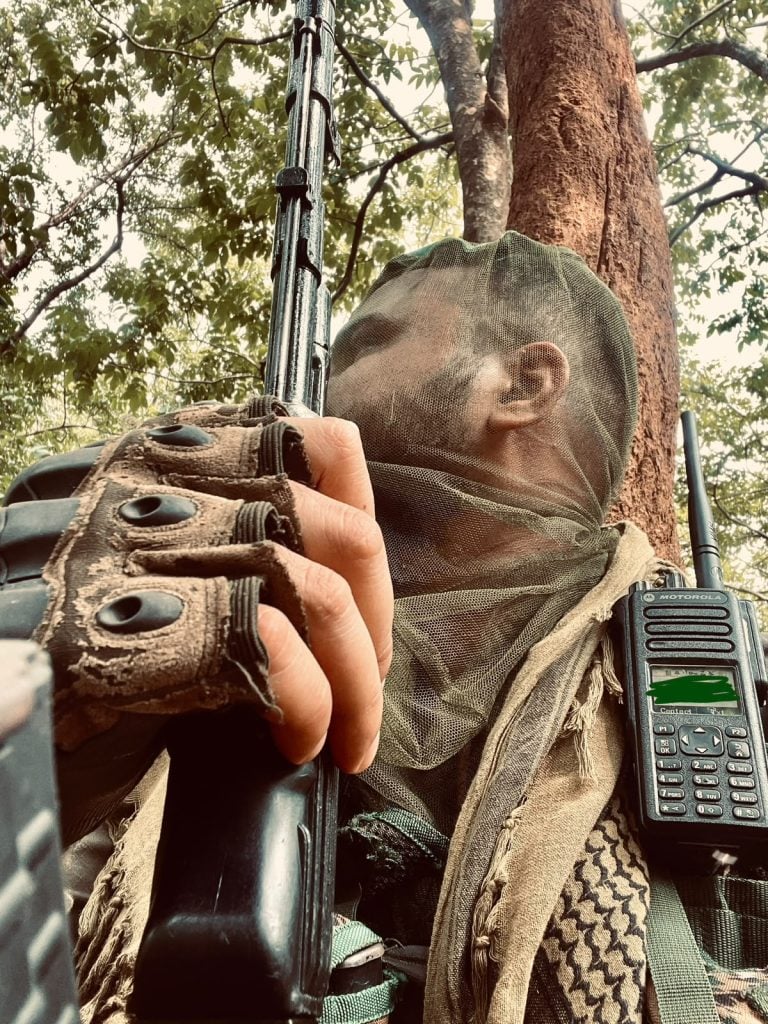
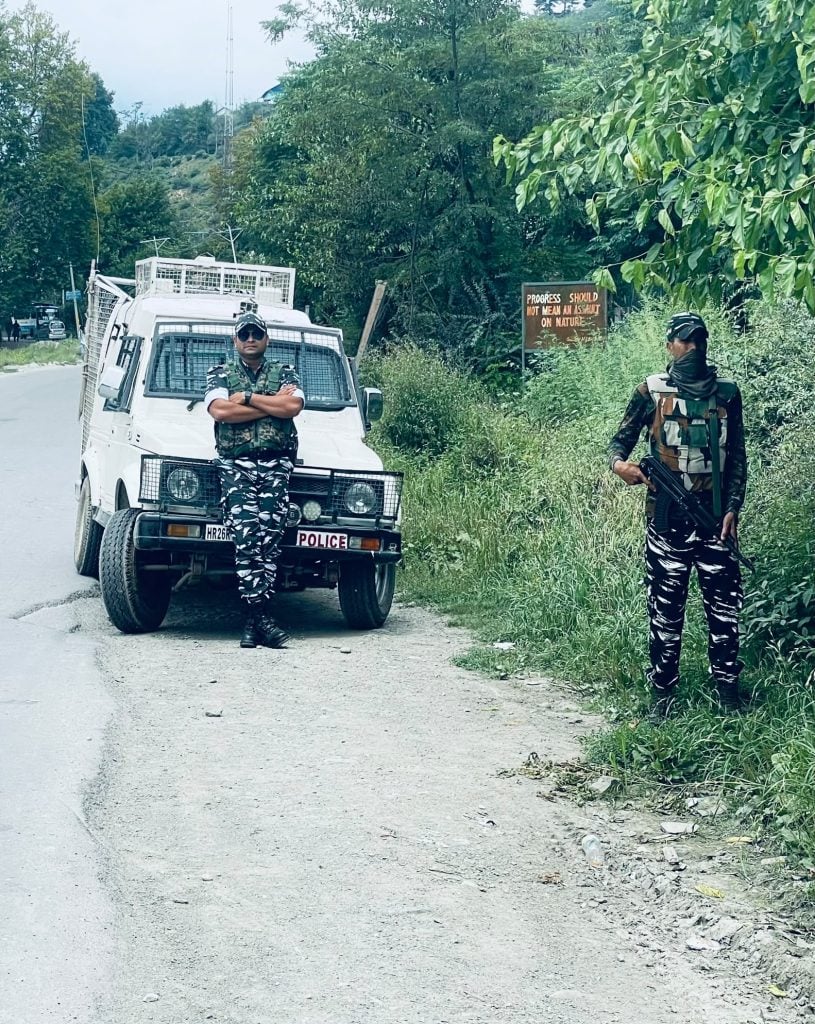
For the past several years, Randhir has served in a specialised CRPF combat unit, taking part in anti-Naxal operations in some of the country’s most difficult terrain.
His operational record includes participation in operations that contributed to the neutralisation of more than 26 insurgents. His unit has also been involved in operations against senior members of the CPI (Maoist), including Central Committee Members (CCMs).
But numbers alone cannot convey what those operations demand.
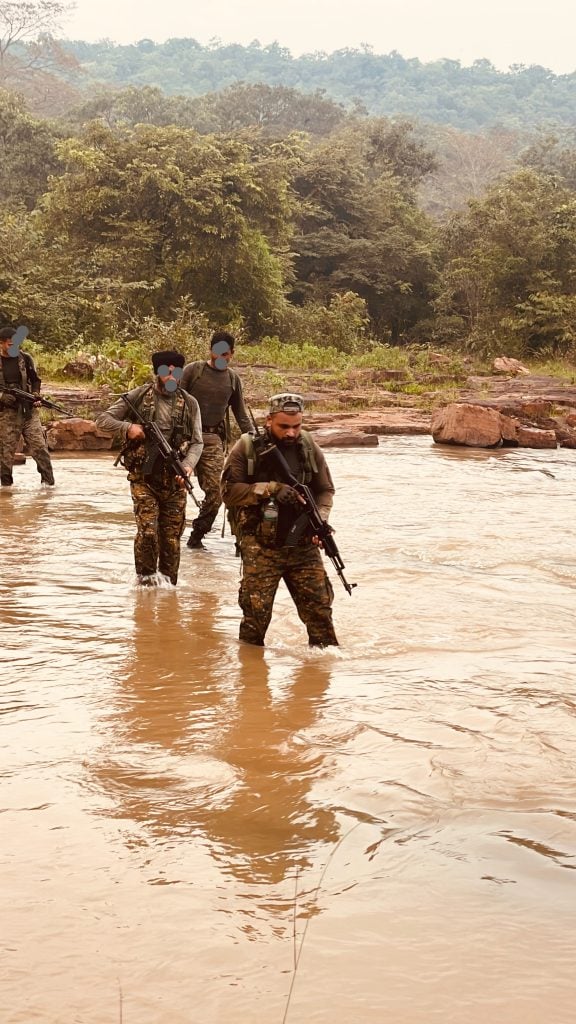
Dense vegetation, torrential rain, extreme heat, difficult terrain, limited access to food and basic necessities, and the constant presence of snakes and other wildlife make the jungle an adversary in itself.
Randhir puts it rather starkly, in an exclusive conversation with Indian Masterminds, “Nine out of ten times, or even 99 out of 100 times, you do not encounter the insurgent. But those 99 times you are braving nature… the summers, the winters, the rain, the difficult terrain and everything that comes with it. Nature is the foremost enemy, and then come the insurgents.”
One particularly difficult operation involved prolonged movement through challenging terrain and ultimately ended without a single casualty among the personnel involved. A significant cache linked to the insurgents was recovered, while the sanitisation of the area helped create conditions for normal life and greater security for local communities.
For the men conducting such operations, however, there is little room to think about the outcome while they are still inside the theatre.
The Snakebite That Nearly Took His Life
In September 2023, danger came from an entirely different direction.
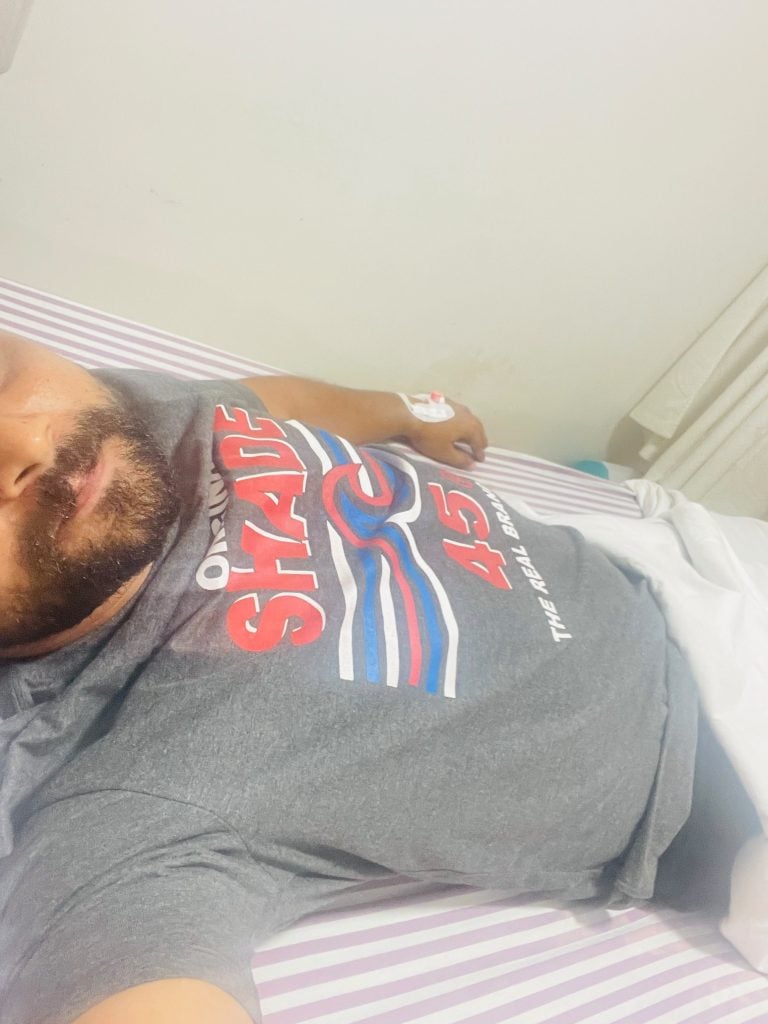
Randhir was operating around 40–50 kilometres from civilisation when he was bitten by a venomous banded krait, one of the highly venomous snakes found in the region. The rescue itself became an operation.
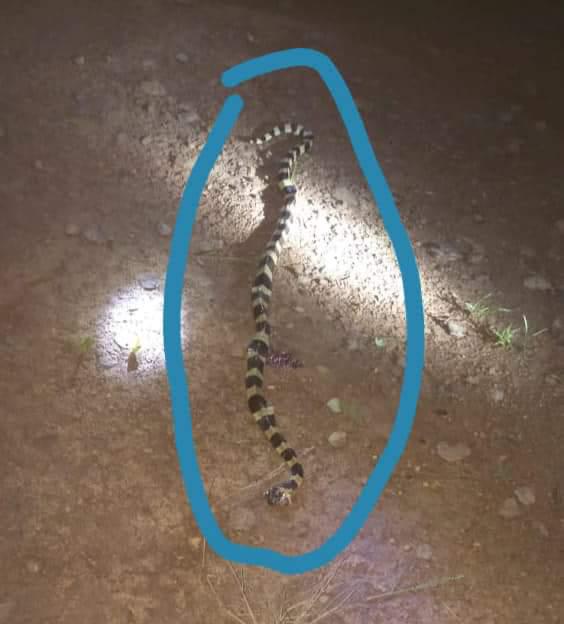
Getting an injured officer out of remote terrain and into medical care in time was critical. He was eventually evacuated and survived.
Then, in July 2026, another close call came during an operation when a bullet struck his protective helmet near his left eyebrow. He survived because the protective headgear absorbed the impact.
Two other personnel were injured by grenade splinters during the same incident and required hospitalisation.

Preparing for the Moment When Everything Can Go Wrong
How does someone mentally prepare for an operation where the possibility of death is real? For Randhir, there is no single answer.
It begins with accepting what the profession demands, followed by years of training and constant practice. His day in the force can begin at 4 am, with physical training followed by theory, practical exercises and repeated drills.
The preparation becomes so deeply embedded that, when an operation is suddenly announced, instinct and training take over.
“Our professional hazard is the threat to life. People who join the armed forces understand that inherent risk. Then comes training, which prepares you physically and mentally, and finally practice. We live a very regimented life, and over time all of this prepares you for situations where you may have to act without thinking twice.”
Interestingly, the fear often comes later. After returning safely, an officer may replay the operation and recognise all the things that could have gone wrong. But in the moment itself, there is a job to perform.
The Officer Who Writes Between Operations
There is another side to Randhir that sits far away from the jungle. He is a writer, poet and communicator.
His interest in literature predates his uniform. He completed a master’s degree in creative writing in the UK and has written columns and articles for magazines. He writes in both English and Marathi and once ran a podcast, although professional commitments eventually made it difficult to continue.
Now, a collection of his short stories is in the works, primarily written in Marathi, with plans to translate it into English. He hopes to bring the book out by the end of 2026.
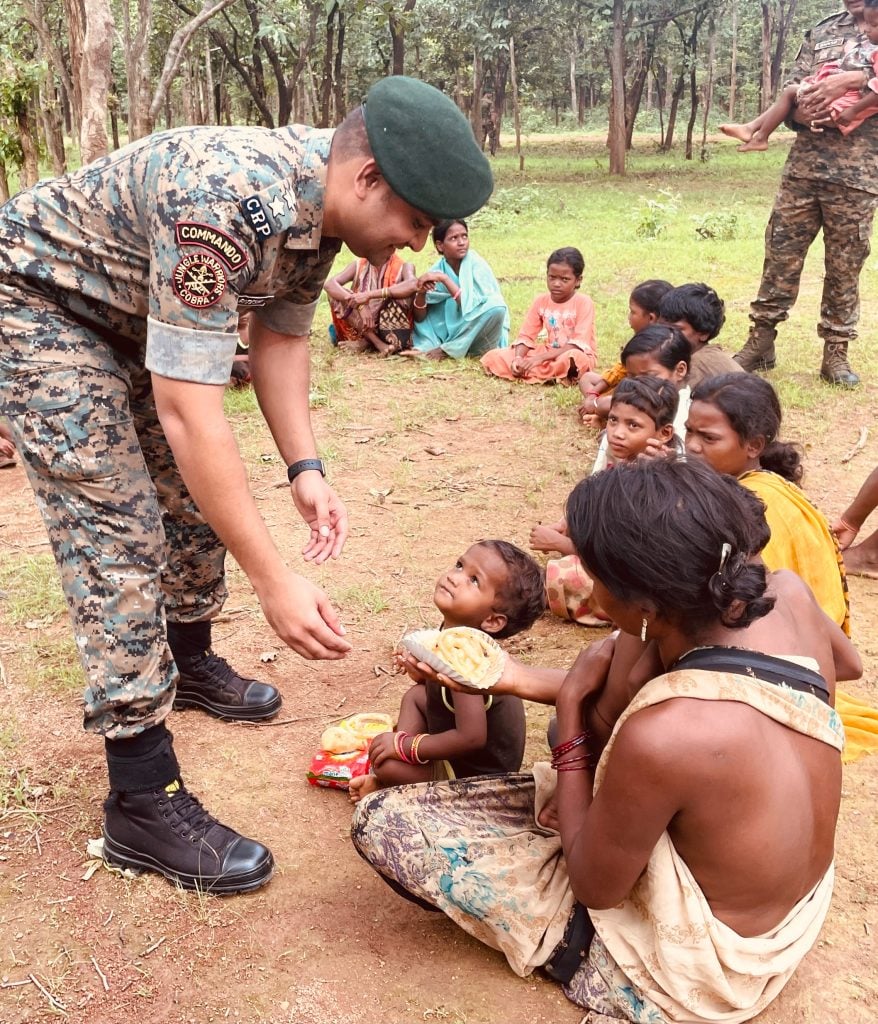
He has also served as a social media officer for his unit, using storytelling and communication to show a side of the armed forces that rarely reaches the public.
And that, perhaps, is what he considers one of his most important missions beyond the battlefield: telling people what the men and women of the forces actually do.
Beyond the Uniform and the Salute
Randhir has received the Dakshata Medal, multiple Director General’s Discs and has been nominated for a gallantry award, although the latter remains under process.
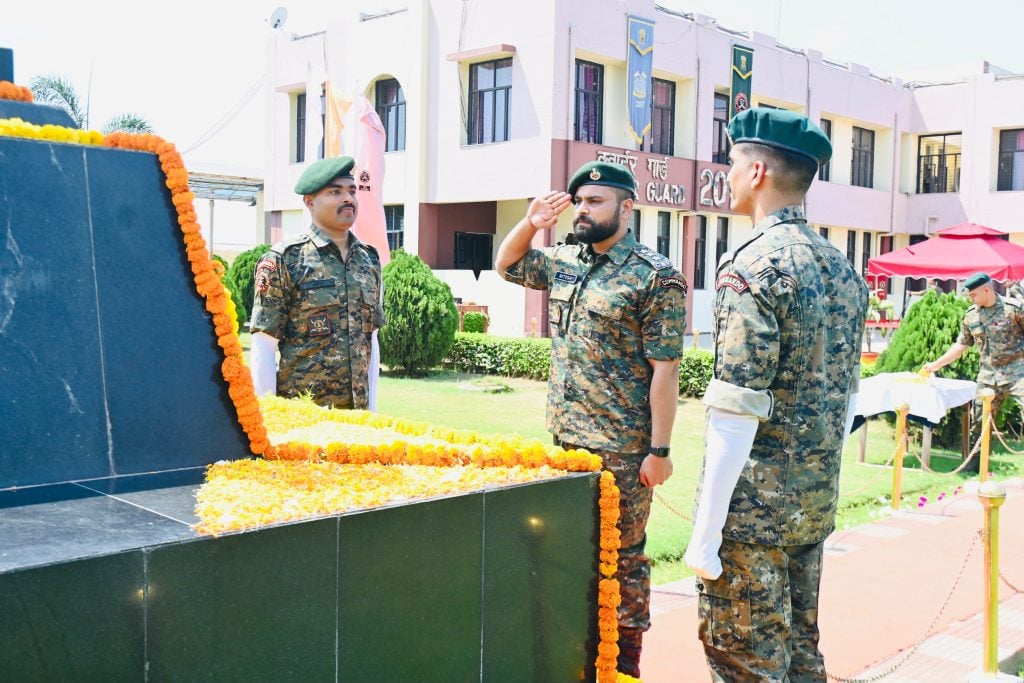
Yet his perspective on the uniform is notably different from the glamour often associated with it. The salute, the privileges and the doors opening for an officer are visible. The real job begins after those moments.
He believes young aspirants sometimes romanticise the uniform without understanding the life that comes with it: constantly changing deployments, unfamiliar terrain, long separations and the need to repeatedly adapt.
His biggest lesson from the CRPF has therefore been surprisingly simple: accept change.
“Everything in life is momentary, and I have started believing in that principle more strongly since joining the armed forces. Our life is never static. Deployments change, circumstances change and your surroundings change. The more easily you accept and adapt to those changes, the better you become. That is what the CRPF has taught me: to accept change and mold yourself around it,” he told Indian Masterminds.
Perhaps that is the thread connecting all the different versions of Ritesh Randhir: the martial artist, the CAPF officer, the combat leader, the snakebite survivor, the man whose helmet stopped a bullet, and the writer who wants people to understand his force better.
He did not join the armed forces merely to wear the uniform. He joined because, somewhere in childhood, he had already decided that this was the life he wanted.
And years later, deep inside India’s toughest operational theatres, that childhood dream has acquired a very different meaning: not the glamour of the uniform, but the responsibility that comes with wearing it.
Also read: How IAS Aditya Ranjan’s Health Campaign Is Giving Dhanbad’s Children a Second Chance