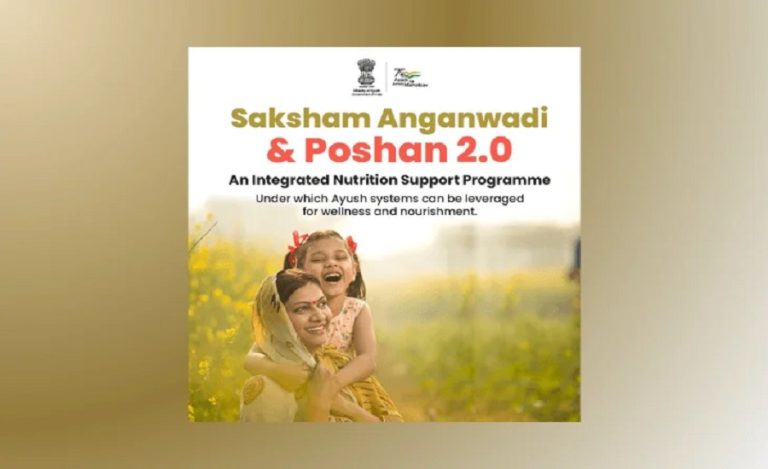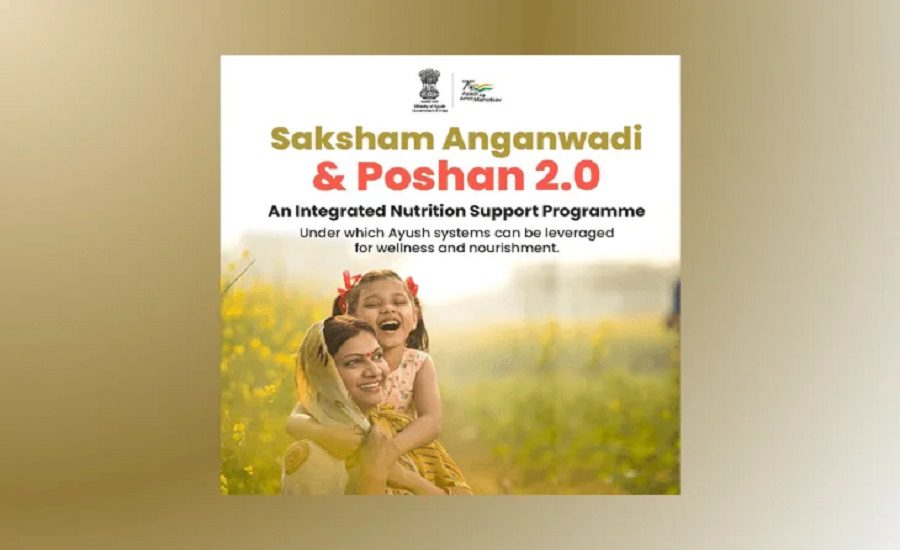
New Delhi: The Government of India is strengthening child nutrition and early childhood education through the Saksham Anganwadi and Poshan 2.0 Scheme, which delivers an integrated package of essential services to beneficiaries across the country. The initiative, led by the Ministry of Women and Child Development, aims to combat malnutrition while enhancing early learning outcomes.
Integrated Services for Holistic Development
Under the Saksham Anganwadi and Poshan 2.0 Scheme, beneficiaries receive a comprehensive set of six services:
- Supplementary nutrition
- Pre-school non-formal education
- Nutrition and health education
- Immunization
- Health check-ups
- Referral services
Out of these, immunization, health check-ups, and referral services are delivered through the National Health Mission (NHM) and existing public health infrastructure, ensuring convergence between nutrition and healthcare systems.
Focus on Reducing Malnutrition and Improving Health
The scheme adopts a multi-pronged strategy to address malnutrition and improve child health, immunity, and overall wellness. Key focus areas include:
- Maternal nutrition
- Infant and young child feeding practices
- Treatment of Severe Acute Malnutrition (SAM) and Moderate Acute Malnutrition (MAM)
- Promotion of AYUSH-based wellness practices
This approach aims to reduce stunting, wasting, anemia, and underweight prevalence among children.
Improved Supplementary Nutrition Standards
Supplementary nutrition is provided to:
- Children aged 6 months to 6 years
- Pregnant women
- Lactating mothers
- Adolescent girls
The nutrition norms, revised in January 2023 under the National Food Security Act (NFSA), 2013, ensure a balanced diet with adequate protein, healthy fats, and essential micronutrients such as iron, calcium, zinc, and vitamins. Additional nutrition support is provided to children suffering from severe malnutrition.
‘Poshan Bhi Padhai Bhi’ Initiative Enhances Early Education
The Ministry has also launched the Poshan Bhi Padhai Bhi (PBPB) initiative to improve Early Childhood Care and Education (ECCE) through Anganwadi Centres. The program focuses on upgrading infrastructure, providing play-based learning tools, and training Anganwadi workers.
So far, over 10.58 lakh Anganwadi Workers (AWWs) have been trained in ECCE pedagogy and nutrition service delivery. Financial allocation for pre-school education kits has been increased to ₹3,000 per Anganwadi Centre annually.
National Frameworks to Strengthen ECCE
To further improve early childhood education, the government launched:
- Navchetana – A framework for early childhood stimulation (0–3 years)
- Aadharshila – A national curriculum for children aged 3–6 years
These frameworks promote play-based learning, caregiver engagement, and holistic child development.
Over 1 Lakh Anganwadi Centres Upgraded
The government has upgraded 1,03,940 Anganwadi Centres into Saksham Anganwadi Centres, enhancing their infrastructure and service delivery capabilities. This transformation aims to provide better nutrition services and improved early education facilities to beneficiaries.
Technology-Driven Monitoring with Poshan Tracker
To ensure transparency and efficiency, the government has implemented the Poshan Tracker, an e-governance platform launched in March 2021.
Key features include:
- Real-time data monitoring of beneficiaries and Anganwadi Centres
- Smartphones and internet connectivity for Anganwadi workers
- Growth monitoring through dedicated devices
- Facial Recognition System (FRS) for accurate distribution of Take-Home Ration (THR)
- Nominee module for uninterrupted service delivery
The platform also supports ECCE through digital learning content, including videos, audio materials, and activity-based resources for children.
Strengthening Last-Mile Service Delivery
The use of digital tools and structured monitoring ensures that benefits reach the right beneficiaries at the right time, reducing duplication and enhancing accountability. The government aims to strengthen last-mile delivery and improve overall outcomes in nutrition and early childhood development.
Government’s Continued Commitment
The Saksham Anganwadi and Poshan 2.0 Scheme reflects the government’s commitment to building a healthier and better-educated future generation. By combining nutrition, healthcare, and early education, the initiative is playing a crucial role in addressing malnutrition and promoting holistic child development across India.
Read also: Farmers to Benefit Big: Government’s Latest Urea Allocation Plan Strengthens Rural Supply Chain