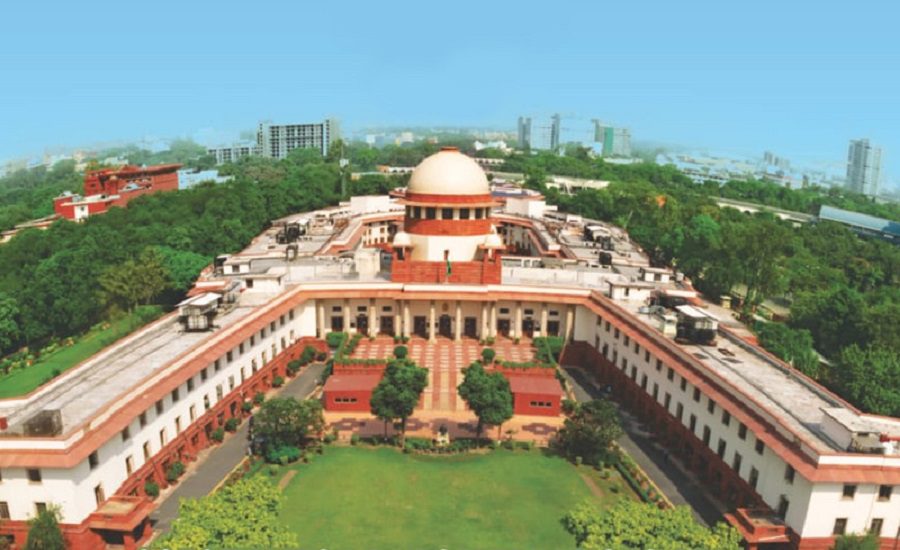
New Delhi: The Supreme Court of India voiced strong condemnation of the authorities in Maharashtra Prison Department for repeatedly failing to produce an undertrial prisoner before court — despite 55 scheduled hearings out of a total of 85.
The bench, headed by Ahsanuddin Amanullah and Prashant Kumar Mishra, termed the non-production a “grave infraction” of the prisoner’s fundamental rights, granted bail to the accused and directed an inquiry into the lapses.
This case has once again highlighted systemic failures in ensuring timely production of undertrials — a cornerstone safeguard in India’s criminal justice system designed to prevent abuse, protect prisoner rights, and ensure fair trials.
Background of the Case
The matter concerned a man — name redacted — remanded by police custody in a serious criminal case, who remained under trial for more than four years.
According to the court record, the accused was not produced before the trial court in 55 out of 85 scheduled trial dates.
During the bail hearing, the bench noted that such repeated non-production not only delayed the trial, but also violated the fundamental safeguards meant to protect undertrials from abuse, neglect, and denied access to justice.
The Supreme Court’s Scathing Observations
Violation of Fundamental Safeguards: The SC bench underlined that producing an undertrial before the court is not merely a procedural formality — but a fundamental safeguard. It serves multiple critical purposes: ensuring that the accused’s incarceration is regularly reviewed, allowing them to raise complaints of abuse or neglect, and preserving their right to a fair and speedy trial.
By failing to produce the accused for 55 hearings, the Maharashtra authorities effectively deprived him of these essential protections — a lapse the bed labelled “appalling and shocking.”
Bail Granted Amid Lapses: Given the serious procedural failure, the Supreme Court granted bail to the undertrial prisoner. In doing so, the Court made clear that its decision stemmed not from the merits of the underlying criminal case, but from systemic failure in ensuring basic rights and due process.
Orders for Accountability and Inquiry: To ensure responsibility and prevent recurrence, the bench ordered a personal inquiry by the designated Head of Department of Prisons of Maharashtra (or the Director General of Prisons). The officer must fix responsibility for the lapses, and take appropriate action against those at fault.
The SC also directed the concerned authority to file a personally affirmed affidavit within two months, detailing the outcome of the inquiry. The matter has been listed for further hearing on 3 February 2026.
The bench warned in no uncertain terms; if there is any attempt to shield or protect those responsible, the head of the prison department would be held personally accountable.
Broader Implications — Justice, Rights, and Systemic Gaps
This case is not an isolated aberration, but reflects deeper structural weaknesses in India’s criminal justice and prison-management system.
Due Process Denied: Non-production of undertrials undermines the very principle of due process. It denies accused persons the opportunity to defend themselves, to raise grievances about prison conditions or abuse, and to ensure their detention remains lawful.
Risk of Abuse and Rights Violations: Undertrials — often poor and marginalized — are especially vulnerable to custodial abuse, neglect, or forced confessions when they are kept away from courts for extended periods. Regular production helps deter such risks.
Delayed or Denied Justice: Such procedural lapses delay trials, prolong detention without conviction, and erode trust in the justice system at large.
Accountability of State Machinery: By ordering inquiry and fixing personal liability, the Supreme Court has underscored that systemic inertia or negligence by state authorities cannot be glossed over.
For the accused in this case, bail may provide relief. But for the larger populace — especially other undertrials languishing in jails — the implications remain worrying. Unless systemic reforms are instituted, such lapses may continue unabated.
What This Means for Maharashtra and Others
- The inquiry directed by the SC must not be cursory; it needs to seriously investigate why the authorities failed to produce the accused in more than half of the hearings, who was responsible, and what measures will be taken to prevent future recurrence.
- State governments — in Maharashtra and other states — must strengthen prison and judicial logistics to ensure undertrials are routinely produced before courts. This might include better scheduling, improved transport and security, and administrative vigilance.
- The judiciary might consider issuing binding guidelines or directions to all states, reinforcing the mandatory production of undertrials, regular judicial reviews, and consequences for non-compliance.
- Civil society organisations, human rights activists and bar associations must watch such developments closely — and press for transparency, monitoring, and reforms.
- The recent order by the Supreme Court is a wake-up call, not just for Maharashtra — but for the entire criminal justice ecosystem in India.