The border region of Sukma–Bijapur in Chhattisgarh was once the safest and strongest base of the Naxalite People’s Liberation Guerrilla Army. For decades, the PLGA battalion operated freely here, and top Maoist leader Hidma dominated the region for nearly 28 years. Government outreach remained absent for almost forty years, making the delivery of basic schemes nearly impossible.
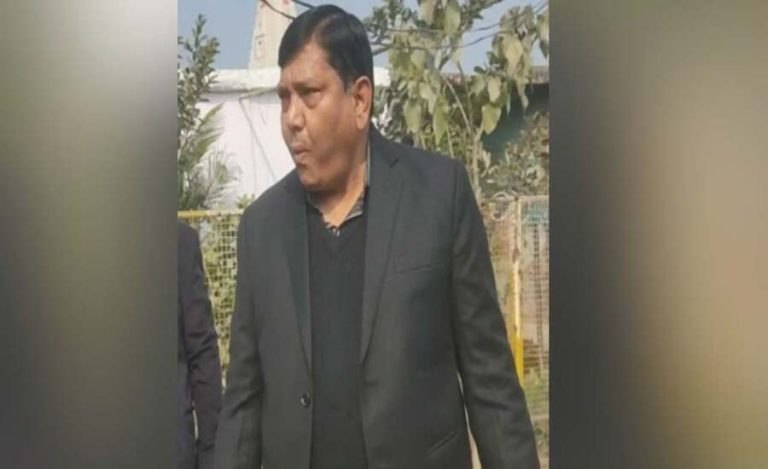
When Mr. Kiran G. Chavan took charge as the 10th Superintendent of Police of Sukma, he immediately focused on these highly sensitive pockets. He targeted those locations once considered impenetrable fortresses by Maoists.
Cracking the Core Areas Long Controlled by PLGA
Hardcore PLGA zones such as Poorvarti, Tekalguda, Raigud, Tumalpad and Gomguda had historically remained untouched by administration. Under Mr. Chavan’s leadership, security camps were established in all these pockets. Roads, ration supplies, healthcare, education and administrative services slowly reached villages that had never experienced state presence.
This marked a shift that directly weakened the Maoist military structure and restricted their mobility.
24 Security Camps and a Historic Push for Peace
Within 30 months, Mr. Chavan led security forces to build 24 new camps in the most sensitive areas of Sukma. These installations forced PLGA operatives to withdraw from their long-held hideouts. Over the past two years, Maoist movement has fallen sharply.
The results have been remarkable: 21 security camps were established in 2024 alone, 587 Naxalites surrendered, 68 were killed in operations and 450 were arrested. Today, nearly 80 percent of Sukma is considered free from Maoist dominance, paving the way for development-led governance.
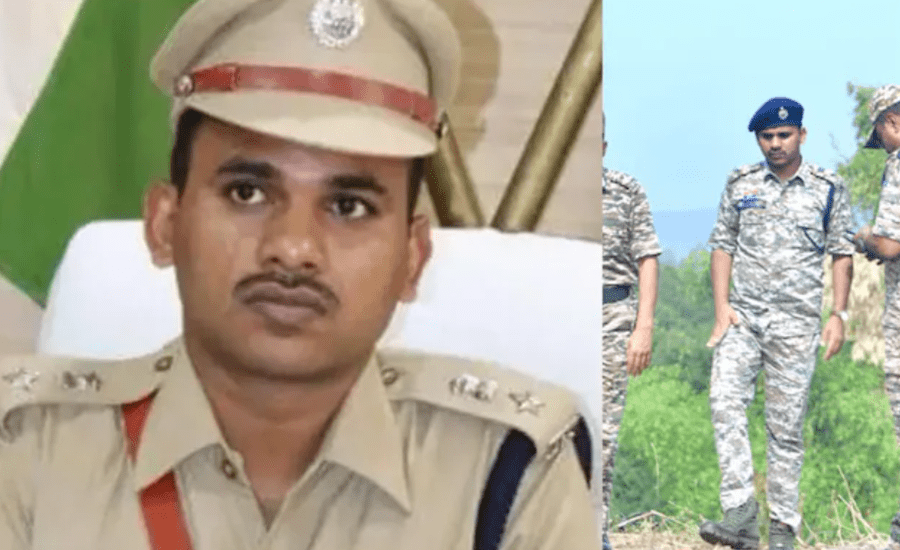
Who Is IPS Officer Mr. Kiran Chavan?
Mr. Kiran G. Chavan is a 2018-batch IPS officer of the Chhattisgarh cadre. Raised in a farmer’s family in Kolhapur, Maharashtra, he studied in Marathi-medium government schools and completed his mechanical engineering degree from Pune. After clearing the UPSC examination in his third attempt, he joined the IPS in December 2018.
His early postings included Bilaspur and later Jagdalpur, where he served as City SP. His move to the Bastar region marked a turning point as he handled Naxal operations before becoming SP of Sukma. He employs a three-pronged strategy combining strong security action, community outreach and development-driven governance. His work has made him one of the most impactful young IPS officers in conflict zones today.