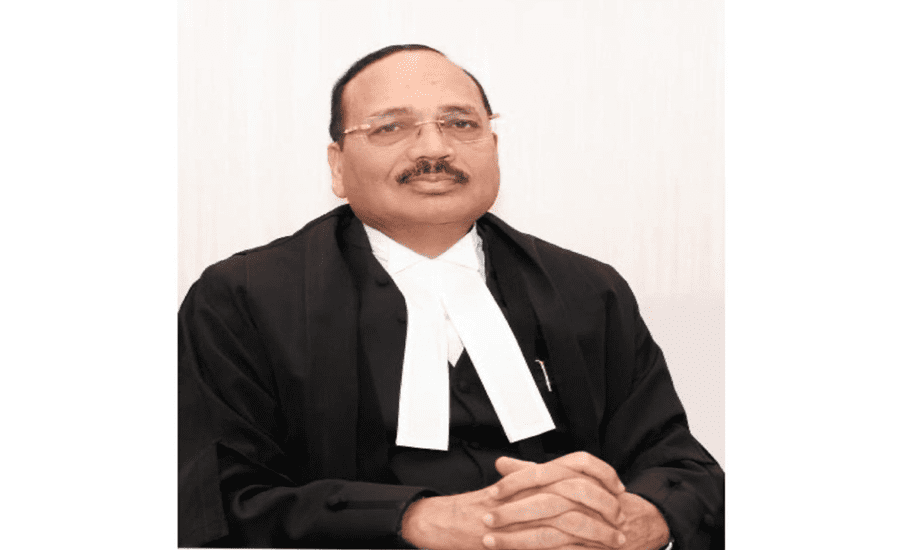
New Delhi: In one of the most consequential procedural reforms in recent years, Chief Justice of India Surya Kant has announced that from January 2026, the Supreme Court of India will no longer permit “endless hearings,” signaling a major shift in court management and judicial efficiency.
The reform aims to eliminate prolonged oral arguments that have historically delayed justice, ensuring faster resolution of cases and more equitable access to the highest judicial forum.
Supreme Court Endless Hearings Reform: Turning the Tide on Judicial Delays in India
Justice delayed is justice denied — a phrase long lamented in India’s overloaded legal system. The Supreme Court, the apex judicial body in the world’s largest democracy, has battled backlogs and procedural delays for decades.
As the highest court of the land, it hears complex constitutional and civil matters, but extended oral arguments have often consumed significant judicial hours.
Addressing this challenge, CJI Surya Kant has introduced a Standard Operating Procedure (SOP) that mandates time limits for oral arguments and requires lawyers to submit written timelines ahead of hearings.
Key Features of the New SOP
Under the newly framed SOP, the Supreme Court will enforce:
No “endless hearings” — Lawyers must commit in writing to complete their arguments within specified time limits.
Timely submission of oral argument timelines — Advocates must file their projected time for oral arguments at least one day before the hearing through the Court’s online portal.
Concise pre-hearing submissions — Arguing counsel, including senior advocates, must submit written notes not exceeding five pages at least three days before the hearing, and serve opposing parties accordingly.
Strict adherence & time enforcement — Counsel must strictly comply with the declared timelines, preventing repetitive or excessively long arguments that can overshadow other matters.
These changes are designed not only to expedite hearings but also to redistribute judicial time fairly across cases, enabling the Court to serve ordinary litigants alongside complex constitutional disputes.
CJI Surya Kant: Vision Behind the Supreme Court Endless Hearings Reform
Sworn in as the 53rd Chief Justice of India on 24 November 2025, Surya Kant has consistently emphasized judicial time as a limited public resource, and that its disproportionate use by a few litigants undermines access to justice for many.
In a recent hearing, he underscored that the reform seeks “equitable and proportional allocation of court time to all cases,” particularly for matters involving economically weaker litigants, bail pleas, and urgent legal relief.
CJI Kant has also voiced concerns that prolonged and unfocused hearings often leave routine but urgent matters unheard, a situation that can disproportionately affect vulnerable litigants.
Impact of Supreme Court Endless Hearings Reform on India’s Legal System
Here are the following impact of supreme court endless hearings reform on India’s legal system;
Reducing Case Backlogs
India’s judiciary has one of the largest case backlogs in the world. In 2025 alone, the Supreme Court handled nearly 75,000 cases, an unprecedented figure among top courts globally.
By limiting hearing times, the Supreme Court expects to streamline case listings, improve courtroom efficiency, and reduce delays that have frustrated litigants for years.
Improving Equity and Access to Justice
The reform addresses a critical concern: disproportionate use of court time by a small fraction of litigants can marginalize others with urgent needs, such as bail applications and rights enforcement.
The SOP seeks to restore balance, ensuring all cases receive fair opportunities for hearing.
Judiciary as a People’s Court
Alongside procedural changes, CJI Kant has prioritized “people-friendly courts,” advocating for 24×7 access to the Supreme Court and High Courts in legal emergencies.
This reflects a broader agenda of making constitutional courts more accessible, responsive, and meaningful to the public.
Looking Ahead: Will Other Courts Follow Suit?
Judicial reform at the Supreme Court often sets precedents for High Courts and subordinate courts across the country. If successful, similar mechanisms could be adopted by other courts to ensure uniform procedural discipline across India’s judicial hierarchy.
Critics, however, caution that strict time limits must balance efficiency with the right to adequate hearing — a foundational principle of justice.