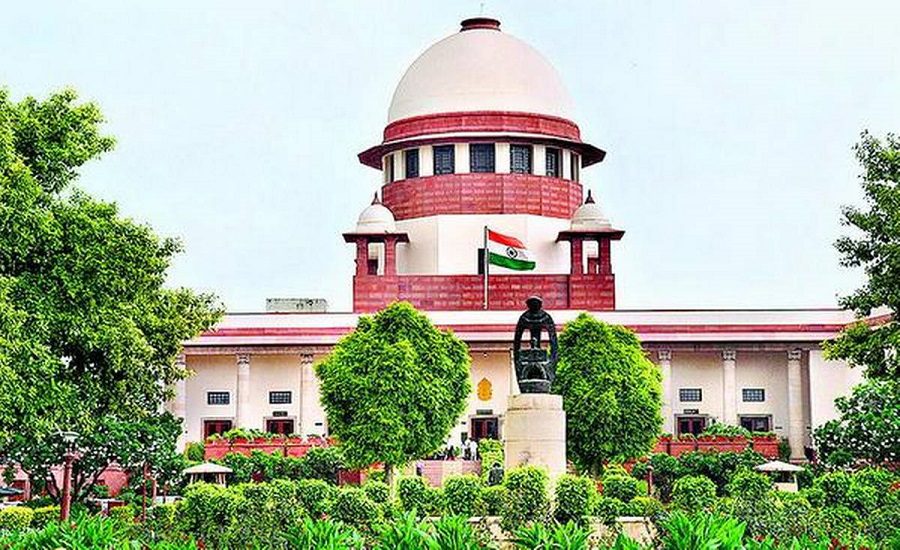
HYDERABAD / NEW DELHI, INDIA — In a significant judicial development, the Supreme Court of India on Friday extended the police custody of former Telangana Special Intelligence Bureau (SIB) chief T. Prabhakar Rao in connection with the high-profile illegal phone-tapping case.
The extension highlights intensifying legal and investigative scrutiny into alleged unauthorized surveillance activities that have stirred public debate on privacy, governance, and misuse of state apparatus.
Background of T. Prabhakar Rao Phone-Tapping Case
The phone-tapping controversy first surfaced in 2024 after investigations into alleged illegal surveillance during the prior Bharat Rashtra Samithi (BRS) regime.
Initial probes revealed that a network of intelligence officials may have monitored phones of politicians, journalists, activists, and even members of the judiciary without lawful authorization — triggering widespread concern over privacy and abuse of public office.
In May 2025, past orders granted Rao interim protection from coercive action, allowing him to return to India on condition of compliance with court directives. Later, after the Telangana High Court rejected Rao’s anticipatory bail, the Supreme Court directed him to surrender to the investigating authorities — which he did on December 12, 2025.
T. Prabhakar Rao Phone-Tapping Case: Judicial Bench Grants Custody Extension Till December 25
A Bench of the Supreme Court, headed by Justices B. V. Nagarathna and R. Mahadevan, agreed to the Telangana state’s request to extend Rao’s police custody until December 25, 2025. The court ruled that no coercive action should be taken against Rao until the next hearing scheduled for January 16, 2026 — safeguarding fundamental rights while facilitating continued investigation.
During the hearing, the court also directed that Rao be released on December 26 once interrogation concludes, underlining judicial oversight of the interrogation process.
State Argument on T. Prabhakar Rao Phone-Tapping Case
Solicitor General Tushar Mehta, representing the Telangana government, informed the court that Rao, despite surrendering earlier in December, had not fully cooperated with the ongoing probe.
The prosecution claimed failures to comply with previous directions, particularly concerning iCloud and digital account credentials crucial to probing alleged digital evidence tied to the phone-tapping network.
Officials have argued that these digital leads could clarify the alleged surveillance’s scope, targets, and chain of command. The state has maintained that unauthorized surveillance was conducted under the pretext of intelligence operations, potentially extending beyond legitimate security concerns.
Defense Contests Harassment and Interrogation Intensity
Senior Advocate Ranjeet Kumar, representing Rao, argued that the ex-intelligence chief was being subjected to prolonged and exhaustive daily interrogation, which his defense described as bordering on harassment. The counsel emphasized Rao’s right to humane legal treatment, highlighting that questioning often lasted up to 12 hours a day with little regard for personal well-being.
The defense also contested the state’s characterization of Rao’s role, arguing that the investigation may have overstepped lawful bounds, especially if it aimed to elicit self-incriminating testimony without proper procedural safeguards.
T. Prabhakar Rao Phone-Tapping Case: Special Investigation Team and Renewed Probe Effort
Amidst the extended custody, the Telangana government formed a nine-member Special Investigation Team (SIT) led by Hyderabad Police Commissioner V. C. Sajjanar to fast-track the probe.
The SIT is tasked with interrogating Rao and coordinating technical forensic evaluation of digital evidence.
The establishment of the SIT signals intensified investigative efforts to unravel the complex web of alleged illegal surveillance, data handling, and potential evidence tampering.
Wider Implications of T. Prabhakar Rao Phone-Tapping Case
The Telangana phone-tapping case continues to attract national attention owing to its broader implications:
Privacy Rights: Allegations of unauthorized interception of communications strike at the heart of constitutional protections under Article 21.
Intelligence Accountability: The case raises critical questions about the boundaries of intelligence powers and oversight.
Political Ramifications: Because the alleged activities occurred before key elections and involved political figures, the matter has fuelled debate about the intersection of law enforcement and political objectives.
Judicial Oversight: Extended custody with strict safeguards reflects the judiciary’s role in balancing investigative needs with individual rights.
Experts say the case could set a precedent for how digital evidence and intelligence conduct are judicially managed in India.
Upcoming Court Proceedings
With the matter listed for further hearing on January 16, 2026, the Supreme Court is expected to review ongoing findings and decide on future steps in the legal process. Meanwhile, Rao remains in custody for interrogation, subject to conditions that protect his rights and ensure procedural compliance.
Read also: What Telangana DGP Said About Sydney Bondi Beach Attacker and Its India Connection?