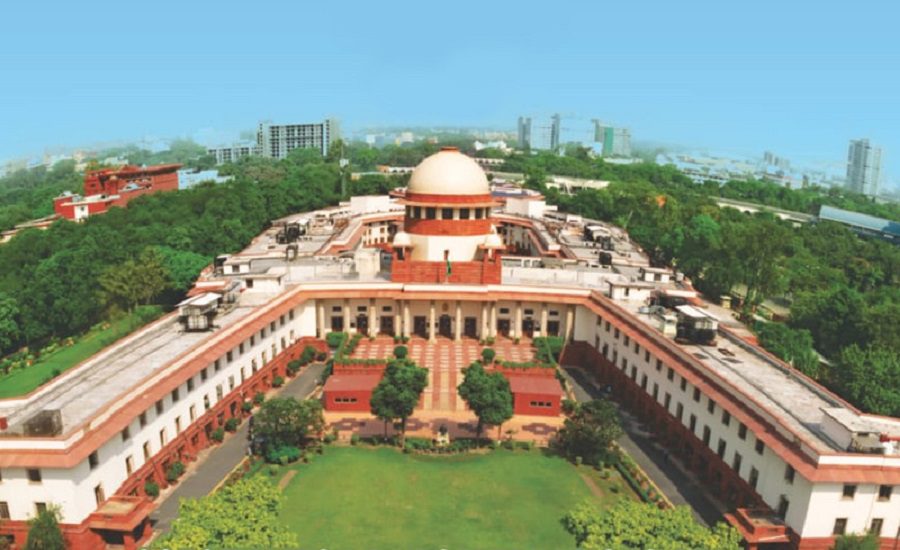
Ranchi: The Supreme Court of India criticised a Jharkhand judicial officer for initiating criminal proceedings in a matter concerning himself without obtaining mandatory High Court permission — saying he “lacks fundamental knowledge” required to act as a judge in such matters. The court reaffirmed that judicial officers cannot bypass legal protocols to file First Information Reports (FIRs) in cases where they are personally involved.
Jharkhand Judge FIR Row: What Did the Supreme Court Say
On 25 February 2026, a two-judge bench of the Supreme Court remarked sharply on the conduct of a serving judicial officer from Jharkhand, pointing out that:
- A judicial officer cannot initiate criminal proceedings against himself by filing an FIR on his own instance.
- He must first obtain prior permission from the High Court before taking such a step — a compulsory legal safeguard built into judicial discipline and procedure.
- Failing to follow this basic requirement reflects a lack of fundamental legal knowledge expected of judicial officers.
Read also: Turning Point for Indian Lawyers: Supreme Court Questions BCI’s Ban in Bar Council Elections
The Supreme Court’s criticism highlights the importance of institutional discipline and respecting procedural safeguards for judges, especially when claims involve their own conduct.
Jharkhand Judge FIR Row: Legal Process and Institutional Protocols
Under Indian legal norms, serving judges or magistrates cannot directly file complaints or initiate criminal proceedings in cases where they are involved as parties.
This includes:
- Registering a First Information Report (FIR) with police on their own instance.
- Seeking prosecution without High Court approval — required under judicial service rules to prevent misuse.
This safeguard protects the credibility of the judiciary and prevents conflicts of interest that could result from a judge acting simultaneously as complainant and adjudicator.
Supreme Court Emphasis on Awareness
The Court emphasised that:
A serving judicial officer must understand and adhere to the legal framework governing criminal proceedings.
Initiating police action without permission undermines legal discipline and public confidence in the justice system.
Broader Implications of Jharkhand Judge FIR Row
This ruling serves as a precedent for judicial accountability and procedural clarity:
- Judges across India must strictly adhere to rules governing FIRs and related actions.
- The decision reinforces that judicial officers are not above procedural safeguards even in matters involving their personal conduct.
- It strengthens the doctrine that all judicial officers, regardless of rank, must demonstrate sound legal knowledge and institutional discipline.
Legal scholars and senior practitioners note that cases where judges directly engage with law enforcement without proper protocol are rare — underscoring the Supreme Court’s firm stance in sending a clear message.
Key Takeaway
The Supreme Court’s strong rebuke of the Jharkhand judicial officer serves as a reminder that judicial propriety is foundational to India’s justice system. Judges must follow established legal procedures at all times — particularly when their own rights or conduct are involved. This ruling underscores the balance between judicial authority and the rule of law.
Read also: Will India Finally Get Junk Food Warning Labels? Supreme Court Gives FSSAI Four-Week Deadline