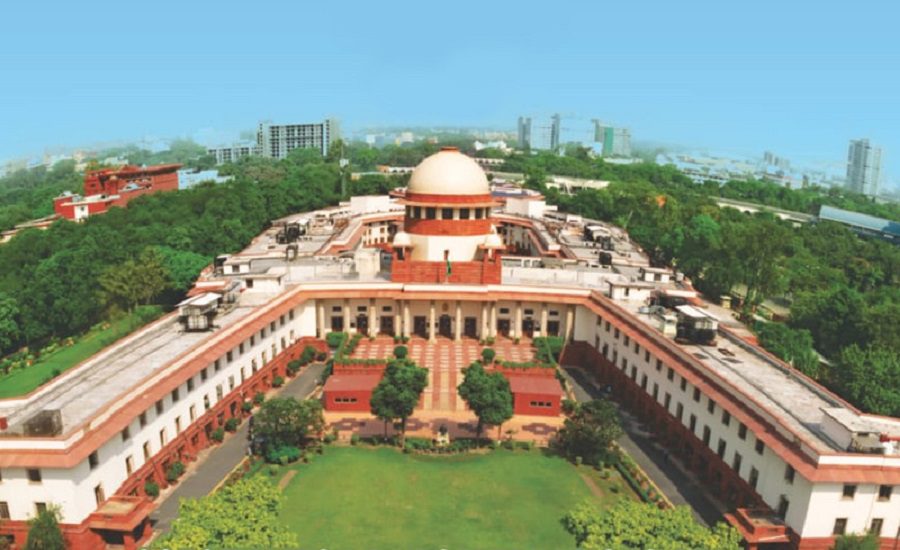
New Delhi: The Supreme Court of India has directed the Union Public Service Commission (UPSC) to file a detailed compliance affidavit within one week on its roadmap to implement screen-reader software and other assistive technologies for visually impaired candidates appearing in UPSC-conducted examinations, the apex court ordered on February 16, 2026.
The court’s latest directive underscores that accessibility for candidates with disabilities is a constitutional right, not charity — reinforcing the principle of equal opportunity under Articles 14 and 21 of the Indian Constitution.
Background of UPSC Screen-Reader Compliance Affidavit
The matter stems from a petition filed by Mission Accessibility, an advocacy group seeking meaningful accessibility reforms in competitive exams — especially for visually impaired aspirants.
In its earlier December 3, 2025 order, the Supreme Court had said UPSC must:
- Allow candidates eligible for a scribe to request a change at least seven days before the date of any examination.
- Ensure such requests are processed within three working days with reasoned orders.
The order also highlighted the need for UPSC to transition toward the use of screen-reader technology in its exams to ensure visually impaired candidates can compete on equal terms.
What the Court Has Now Directed UPSC to Do
At the hearing on February 16, a Bench of Justices Vikram Nath and Sandeep Mehta granted UPSC one more week to file the compliance affidavit. The affidavit must detail:
Plan of Action
How UPSC plans to roll out screen-reader software and assistive tech for visually impaired candidates.
Timeline and Milestones
A time-bound schedule showing when each phase of the rollout will be completed.
Testing, Standardisation & Validation
Steps for testing the software, standardising it across exam centres, and validating its reliability and security.
Implementation Across Centres
Clarity on how the facility will be available at all designated examination venues and across the next UPSC examination cycle.
The matter is now listed for further hearing on February 23, 2026.
Importance of Screen-Reader Software for Visually Impaired Candidates
Screen-reader technology allows visually impaired users to access digital content by converting text into synthesized speech or braille output.
In the context of UPSC exams, this means:
- Candidates can access digital question papers independently.
- Standardised assistive tools could replace the traditional dependence on human scribes.
The court emphasised that rights for persons with disabilities are constitutional guarantees, not acts of benevolence, underlining that accessibility solutions must be meaningfully implemented.
Key Implications of UPSC Screen-Reader Compliance Affidavit
This directive has three major implications:
- Judicial Enforcement of Accessibility: The court is holding UPSC accountable for clear, actionable plans — not just policy decisions.
- Inclusivity in Competitive Exams: Visually impaired candidates may soon get better support in one of India’s most competitive exams — the Civil Services Examination.
- Precedent for Future Accessibility Reforms: The order could shape how other examinations and government processes adopt assistive tech.
What Happens Next
UPSC must file the compliance affidavit by February 23, 2026, detailing the steps it has taken or plans to take to implement screen-reader software and accessibility measures for visually impaired candidates. The Supreme Court hearing on that date will likely assess whether the draft roadmap satisfies the court’s directions.
Read also: Will India Finally Get Junk Food Warning Labels? Supreme Court Gives FSSAI Four-Week Deadline