Bahraich: Human-wildlife conflict has intensified once again in the forest-fringe villages near Katarniaghat Wildlife Sanctuary in Bahraich after an 80-year-old woman was trampled to death by an elephant on March 22, marking the third fatal elephant attack reported in the district within just over a month.
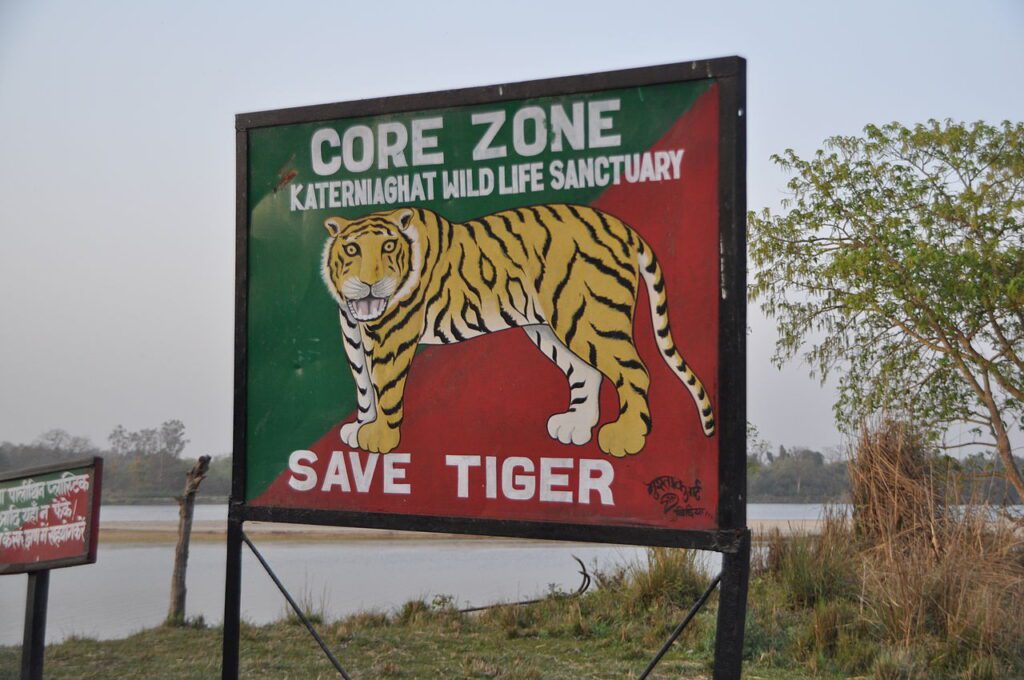
The incident occurred in Bhawaniyapur village, located inside the core zone of the sanctuary, where the victim had gone to graze goats in the morning.
Forest officials say the repeated attacks reflect a broader ecological crisis unfolding across the Terai landscape, where shrinking habitats, disrupted wildlife corridors and rising animal populations are increasingly bringing humans and wild animals into dangerous contact.
Woman Attacked While Retrieving Goats Near Forest Edge
According to forest officials, the deceased, identified as Kunwariya, had taken her goats out for grazing when some of the animals strayed into the forest.
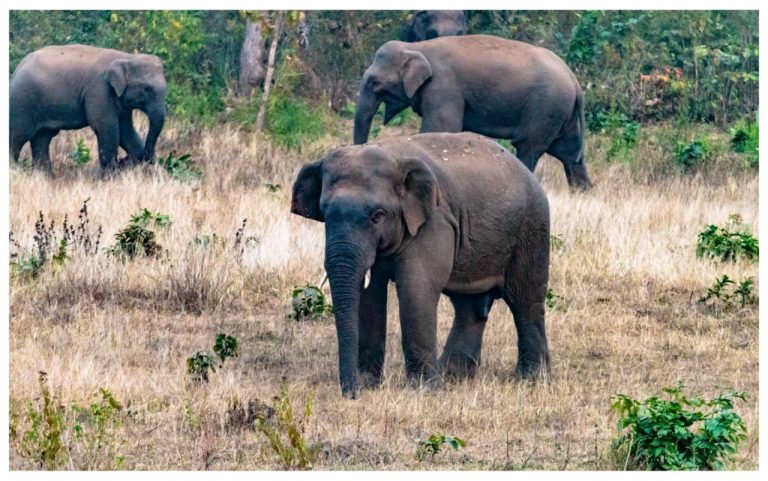
While attempting to retrieve them, she came face-to-face with a tusker elephant.
Read Also: Wolf Scare in Bahraich: Infant Killed, Woman Injured Amid Suspected Wild Attacks
2022 batch Indian Forest Service (IFS) officer and Divisional Forest Officer (DFO) Apoorva Dixit said Bhawaniyapur falls inside the core zone of the sanctuary, an area inhabited by tigers, leopards and elephants.
Forest staff later reached the site and confirmed from footprints that the attack was carried out by a tusker.
Villagers attempted to drive away the elephant by raising an alarm, but the woman could not escape.
Officials said the elephant knocked her down before she could reach safety, leading to her death on the spot.
The body was later sent for post-mortem examination.
Third Elephant-Related Death Since Mid-February
This is the third death linked to elephant attacks in Bahraich since February 15.
Earlier, elephants attacked a 100-year-old ascetic, Suresh Das, who lived in a hut inside the forest area.
Villagers found his body the following day.
A day later, 45-year-old Munni Devi was killed on the Bichhiya-Katarniaghat road while returning home on a motorcycle with her son.
That attack was also attributed to a tusker elephant.
Her son sustained serious injuries and was rescued after passersby informed police.
Crop Loss and House Damage Deepen Rural Distress
Beyond human casualties, villagers say elephant movement is causing severe economic losses.
Residents report widespread destruction of crops and repeated damage to homes.
Banwari Lal, a resident of Bharatpur village, said elephants damaged around 27 houses last year.
He added that compensation for crop loss remains inadequate.
Village head Ikrar Ahmed said elephants frequently pass through villages such as Amba, Verdiya, Chafariya, Matehi and Jamunhiya.
The animals are damaging sugarcane, paddy, wheat and maize fields.
Why Elephant Movement Has Increased in Katarniaghat Region
Forest officials attribute the growing conflict to ecological changes and shifting elephant movement patterns.
H. Rajamohan said elephants are increasingly moving toward Katarniaghat and adjoining forests because of habitat changes and disturbances across the Nepal border.
The elephant population in the landscape has also grown significantly—from 232 in 2017 to 257 in 2025.
This has intensified competition for food and space.
Wildlife Corridors Under Pressure
Experts say blocked elephant corridors and expanding cultivation near forest edges are major triggers.
Crops grown near forest boundaries attract elephants, especially during night movement.
Solitary male elephants are considered particularly aggressive and are often involved in attacks.
Certain groups of young male elephants, locally called “Maljuria,” are known for crop destruction and aggressive chases.
Forest Department Activates ‘Gajmitra’ Network
To reduce conflict, the Forest Department, in collaboration with Nature Environment and Wildlife Society, has trained around 100 villagers in six affected villages as “Gajmitras” or elephant friends.
These volunteers monitor elephant movement, issue alerts and attempt to drive elephants away using traditional deterrents such as chilli smoke.
DFO Apoorva Dixit said a WhatsApp-based alert system has also been introduced.
Despite these measures, fear remains widespread.
As evening approaches, villagers rush indoors fearing elephant movement after dark.
Region Already Faced Deadly Wolf Attacks in 2024
The same forest belt witnessed a major wave of wolf attacks between March and September 2024.
At least nine people, mostly children, were killed across nearly 30 villages near the Nepal border.
Several others were injured.
The Uttar Pradesh administration launched Operation Bhediya, leading to the capture of multiple wolves.
Leopard Attacks Add to Fear in 2026
Fresh leopard attacks have further heightened anxiety in the region this year.
On March 6, 2026, a child named Raghuveer, aged around 7 to 8 years, was killed in the Nishangadha range.
Earlier in late January, four-year-old Seema was also killed in a leopard attack.
Most incidents are being reported from areas around Nishangadha and Mihimpurwa-Motipur.
Children playing near homes and fields during evening hours are particularly vulnerable.
Drones and Cages Deployed to Capture Leopards
Following public protests, forest authorities deployed surveillance teams, drones and cages to trap the leopards.
Officials believe fragmented wildlife corridors and poor night lighting in villages are increasing leopard movement into human settlements.
Katarniaghat’s Ecological Importance and Rising Pressure
Katarniaghat, established in 1975–76, forms an integral part of Dudhwa Tiger Reserve.
Spread over nearly 400 square kilometres, the protected landscape includes sal forests, grasslands and the riparian belt of the Ghaghara river.
It also acts as a crucial ecological link with Bardiya National Park.
Read Also: UP: Fear Grips Pilibhit as Jackal Injures 10 in Villages; Wolf Attacks Continue in Bahraich