New Delhi: Calling the Civil Services Aptitude Test (CSAT) the “biggest barrier to diversity” in India’s civil services recruitment system, Brij Lal, BJP Rajya Sabha member from Uttar Pradesh, on Thursday demanded that the government either abolish or rationalise the qualifying paper in the Union Public Service Commission Civil Services Preliminary Examination.
Raising the issue during Zero Hour in the Rajya Sabha, Lal argued that the present CSAT structure disproportionately disadvantages candidates from humanities and arts backgrounds while favouring engineering and technical graduates.
CSAT Creating Imbalance in Civil Services Representation, Says MP
According to Lal, the current examination pattern has led to skewed representation in India’s premier civil services.
He said that nearly 65 per cent of successful candidates in recent years have come from engineering backgrounds, while aspirants from humanities, arts and non-technical disciplines often struggle because of the mathematics-heavy and comprehension-based nature of the CSAT paper.
“The present structure has created an uneven playing field. A qualifying paper should not become a barrier for otherwise meritorious candidates,” he stated.
Read also: Haryana Issues First Field Postings to 6 IAS Officers of 2025 Batch After LBSNAA Training
How the UPSC Preliminary Exam Is Structured
The Union Public Service Commission conducts the Civil Services Preliminary Examination in two papers:
General Studies Paper I (GS Paper I)
- 200 marks
- 100 questions
- Negative marking of 0.66 marks for every wrong answer
Civil Services Aptitude Test (CSAT / GS Paper II)
- 200 marks
- 80 questions
- Negative marking of 0.833 marks for every wrong answer
Lal pointed out that although CSAT is only qualifying in nature, candidates must secure at least 33 per cent marks — 66 out of 200 — to qualify.
He stressed that if a candidate fails in CSAT, their GS Paper I answer sheet is not evaluated, regardless of performance in General Studies.
Demand to Abolish or Rationalise CSAT
The BJP MP urged the government, through the Chair, to review the present structure urgently before the next examination cycle.
He proposed two options:
- complete abolition of CSAT as a qualifying barrier, or
- rationalisation of the paper to reduce technical dominance and ensure equal opportunity across academic streams.
According to him, the civil services should reflect academic diversity and include candidates from engineering, science, medicine, humanities and arts in balanced proportions.
Transparency Concerns Also Raised
Apart from structural issues, Lal also criticised what he called a lack of transparency in CSAT evaluation.
He noted that candidates who fail to qualify in CSAT are not informed of their exact scores or given any feedback.
Only candidates who clear the paper are able to view marks later in the process.
“This lack of transparency must end to ensure justice and equity in civil services recruitment,” he said.
UPSC CSE 2025 Final Results Already Declared
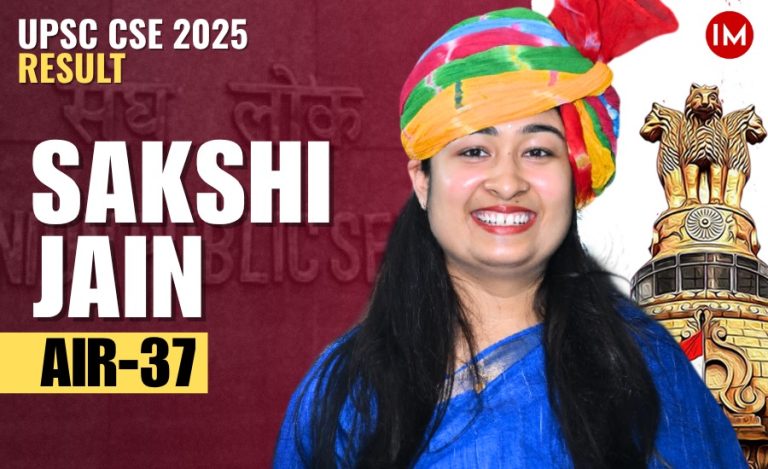
The remarks come shortly after Union Public Service Commission declared the final results of the Civil Services Examination 2025 on March 6.
After completion of written examinations held in August 2025 and personality tests concluded in February 2026, the Commission recommended 958 candidates for appointment to top services including:
- Indian Administrative Service
- Indian Police Service
- Indian Foreign Service
Candidates can access results through the official UPSC portal.
UPSC Prelims 2026 Scheduled Next Month
The next Civil Services Preliminary Examination is scheduled for the 24th of next month, making the debate around CSAT especially relevant among lakhs of aspirants preparing across the country.
CSAT has remained one of the most debated parts of the examination pattern since it was made qualifying, with repeated concerns from aspirants over difficulty levels, especially in quantitative aptitude and logical reasoning sections.
Wider Debate Among Aspirants Likely to Intensify
The issue raised in Parliament is likely to resonate strongly among UPSC aspirants, coaching experts and education policy observers.
For many candidates from non-technical backgrounds, CSAT remains one of the most unpredictable hurdles despite being qualifying in nature.
Whether the government or UPSC takes up the issue for formal review remains to be seen.