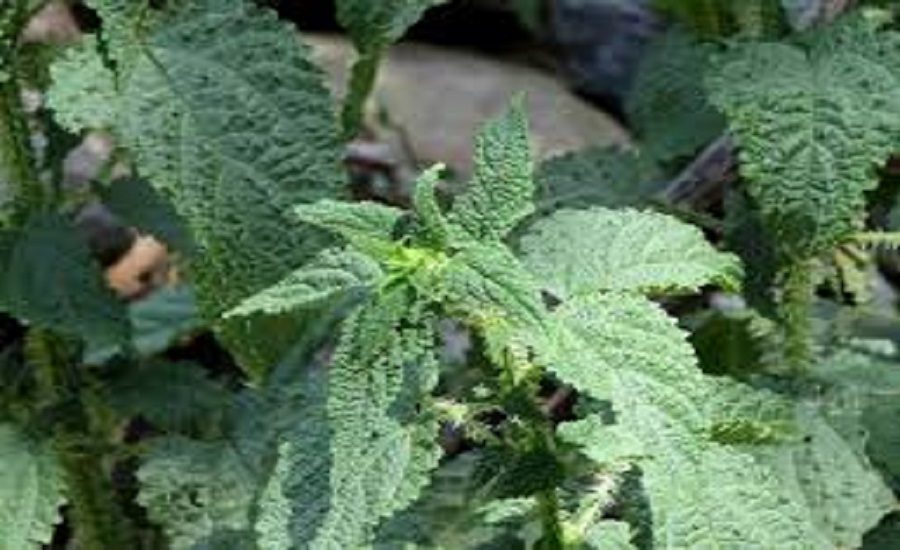
Dehradun, Uttarakhand: The Uttarakhand government has proposed linking Bichchu Grass (Himalayan Nettle or Urtica dioica) with the Technical Textile Mission to the Central Government, aiming to boost the state’s rural economy and provide new employment opportunities for farmers and artisans.
Bichchu Grass, also known locally as Kandali or Sisoun, is traditionally considered a wild plant, but its natural fibers can be processed to produce eco-friendly and sustainable textiles. The initiative could position Uttarakhand as a key player in the growing global demand for environmentally friendly clothing.
Potential of Bichchu Grass for Textile Industry
The government’s proposal emphasizes the industrial and environmental potential of Bichchu Grass:
- Natural fibers for textiles: Bichchu Grass fibers are durable, skin-friendly, and offer good thermal insulation, making them suitable for high-quality garments.
- Eco-friendly production: Textiles derived from Bichchu Grass are sustainable and biodegradable, aligning with global trends in environmentally conscious fashion.
- Boost to rural economy: Farmers, weavers, artisans, and self-help groups could benefit directly, creating new job opportunities in rural areas.
Agriculture Minister Ganesh Joshi highlighted that the government also plans to set up a mini textile park to process fibers from Bichchu Grass and hemp.
Proposal to Central Government
Key elements of the proposal submitted to the central government include:
- Transport subsidy: To mitigate high transportation costs due to Uttarakhand’s hilly terrain.
- NIFT extension center: Establishing a National Institute of Fashion Technology (NIFT) extension center in Uttarakhand to train local youth in design, textiles, and fashion.
- Integration of traditional knowledge and modern technology: Combining indigenous skills with contemporary textile techniques to create new employment avenues.
The government expects this initiative to reduce rural migration by creating sustainable livelihoods within the state.
About Bichchu Grass (Himalayan Nettle)
Bichchu Grass, scientifically called Urtica dioica, is mainly found in hilly regions and is known for its stinging hairs that cause mild irritation on contact. Despite being considered a wild plant, it has significant nutritional and medicinal value:
- Rich in nutrients: Contains iron, calcium, and essential vitamins
- Culinary uses: Leaves are used to prepare soups and vegetable dishes in Himalayan regions
- Health benefits: Traditionally used for joint pain, anemia, and hair care
The stinging property disappears when the leaves are cooked or dried, making them safe for consumption.
Economic and Industrial Impact
Officials believe that leveraging Bichchu Grass for textile production will:
- Promote eco-friendly and sustainable fabrics in India and abroad
- Provide employment opportunities for rural artisans and farmers
- Encourage innovation in textile manufacturing using indigenous plants
- Strengthen Uttarakhand’s position in the technical textiles sector
This initiative is part of the state’s broader strategy to promote rural livelihoods, sustainable industries, and environmental stewardship.