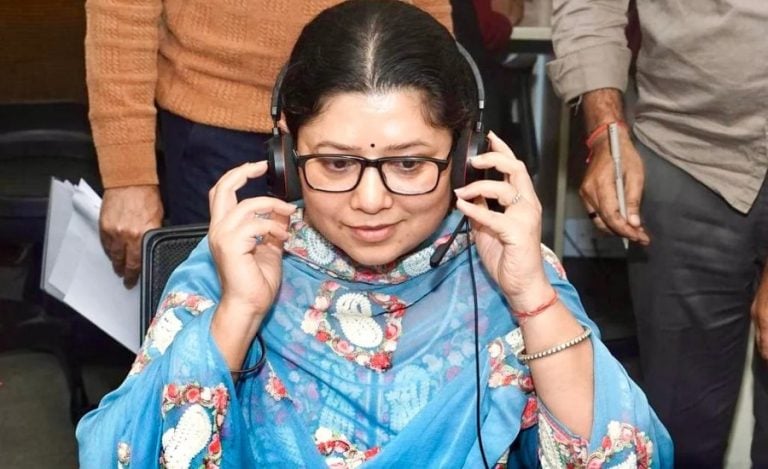
What comes first in your mind when you think of a government building or a police station specifically? Pale walls, chipped paint, broken furniture, and file rooms covered with dust, right? This is the kind of impression one receives in one head while picturing a police station.
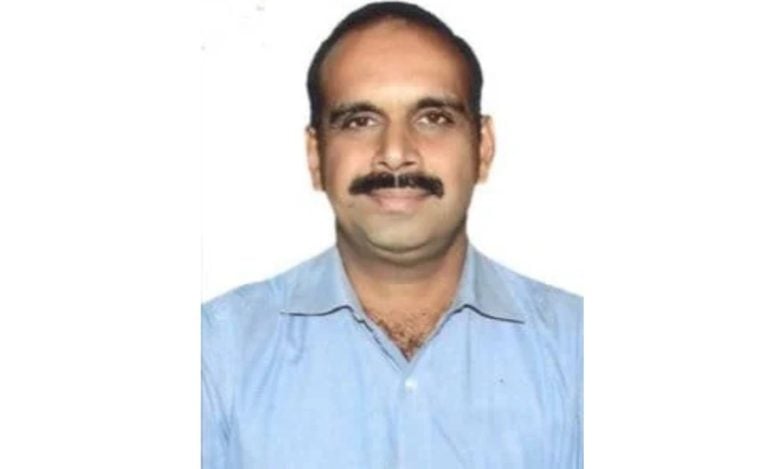
To change this and make police outposts more efficient in their work, trainee IPS officer Mr. Vivek Chandra transformed and gave an entirely new identity to Sikhera police station in Muzaffarnagar, in just three months about which he exclusively talked with Indian Masterminds.
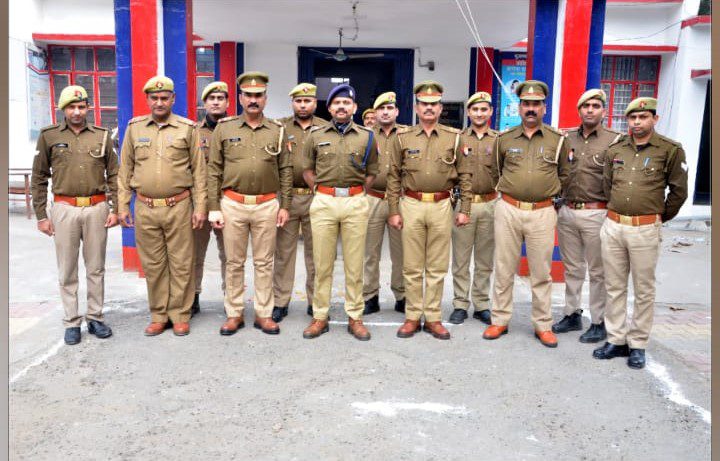
MODEL POLICE STATION
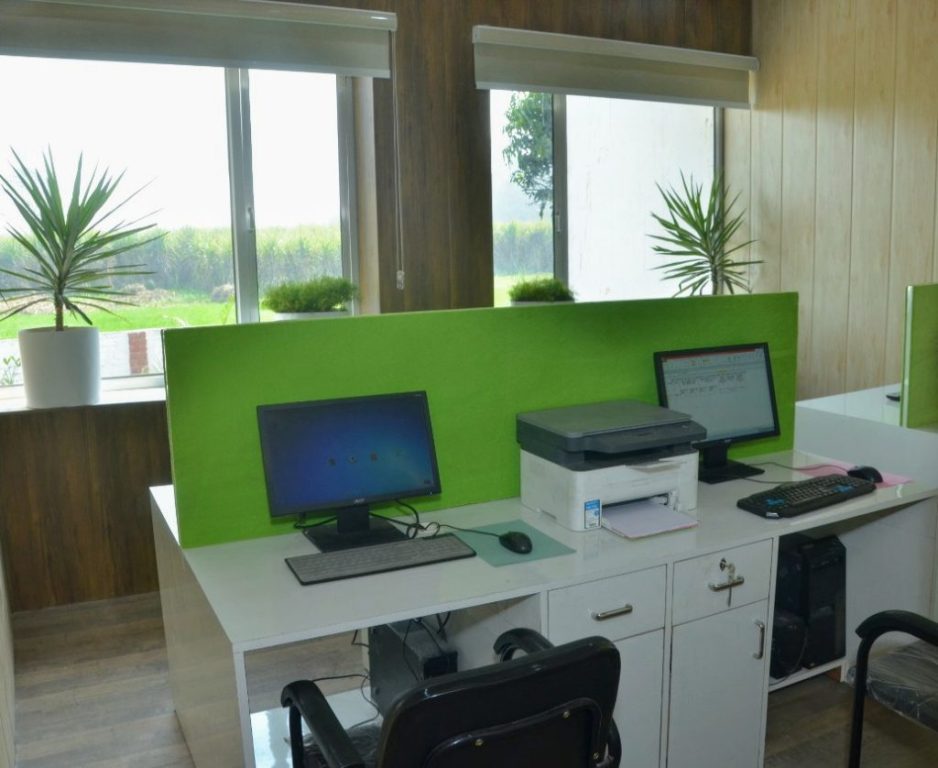
To do away with the reeking image of police stations, Mr. Chandra transformed the entire station and upgraded the place with facilities required for a good working environment, with the guidance and motivation of the Senior Superintendent of Police, Mr. Abhishek Yadav.
“The new and upgraded additions include an ‘investigating room’, which is a separate room for investigating officers to solve cases, a digital ‘maalkhana’ (evidence collection room), a GD room for staff to complete various police-related work, model toilet-bathroom with shower, washing machine, water cooler filter, kitchen, a resting hut, and a model barrack complete with facilities such as storage beds, almirahs, side tables, etc. for the personnel to take rest in.”
NEW DIGITAL MAALKHANA (EVIDENCE ROOM)
‘Maalkhana’ in any police station is an important unit housing the case properties or evidence. It is generally in an unorganized state due to neglect, and scarce use of the evidence over the years. However, it was important to keep the evidence in an organized fashion, in a way in which it could be traced over time.
To do so, Mr. Chandra came up with the unique idea of developing a system of Radio-frequency identification (RFID) tracking by attaching an RFID tag with each case property and putting an RFID reader on the entrance of the Maalkhana room. The computer operator of the department, Mr. HC Gyan Singh of the 2017 batch developed the software for the project, in-house. “Presence of a talent like him in the department gives hope and encouragement for the department to look further for such talents.”
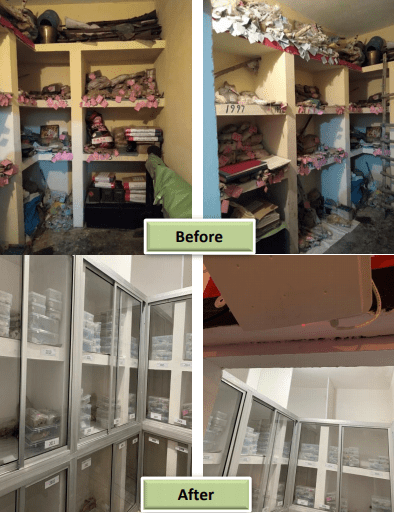
“We placed all the evidence in a transparent box and an RFID tag was placed inside it and the box was sealed. An RFID reader was placed on the entrance of the Maalkhana room and connected to a computer system in the police station office. The tag was numbered and data corresponding to that evidence was fed into the system next to it. With this system whenever the evidence is taken in/out of the room an entry is made into the digital record. When we have to add new evidence in the Maalkhana all the new data of the case is added in the software,” Mr. Chandra told Indian Masterminds.
As a result, not only the rotting evidence kept in musty storage received a new life and got properly organized, but also the tracing of entry or exit of particular evidence was made easy providing a log for future reference.
BETTER POLICING FOR PUBLIC FRIENDLY RELATIONS
The general public often complains of not being heard when they go to register a complaint with the police. To do away with this belief, the officer organized training workshops for the personnel of the station wherein they were trained for compassionate listening so they could sympathize with the person registering a complaint and work on it.
Furthermore, Mr. Chandra induced a feedback system in the station wherein from time to time feedback was sorted from the complainants about the police’s investigation and whether they were satisfied with the work or not. Accordingly, they worked to make things better for the person in distress.
To strengthen police-public relations, the officer also provided behavior training to the staff so that they become motivated to deal with the public in a considerate manner.
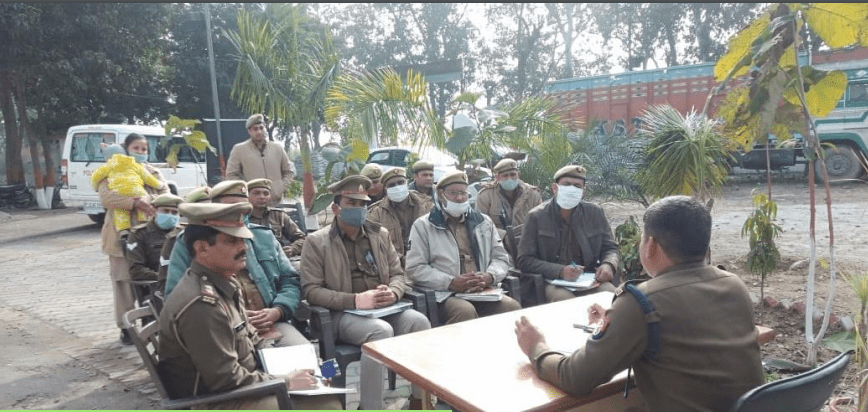
Mr. Chandra realizes that for the good behavior of the staff, it is important to provide them with good working conditions as well. This is why he is bringing about several changes in their working system such as giving them breaks in between duty so that they do not have to work for very long hours at a stretch. It’s true – your work depends on your workspace. And keeping this in mind, Mr. Chandra is making life for the personnel a little better.