Health system in India, especially for senior citizens, often falls short compared to the best services in developed countries. Long queues, delayed availability of medicines, exhaustive support systems, and at times, rude behavior of staff make healthcare for the elderly a daunting experience.
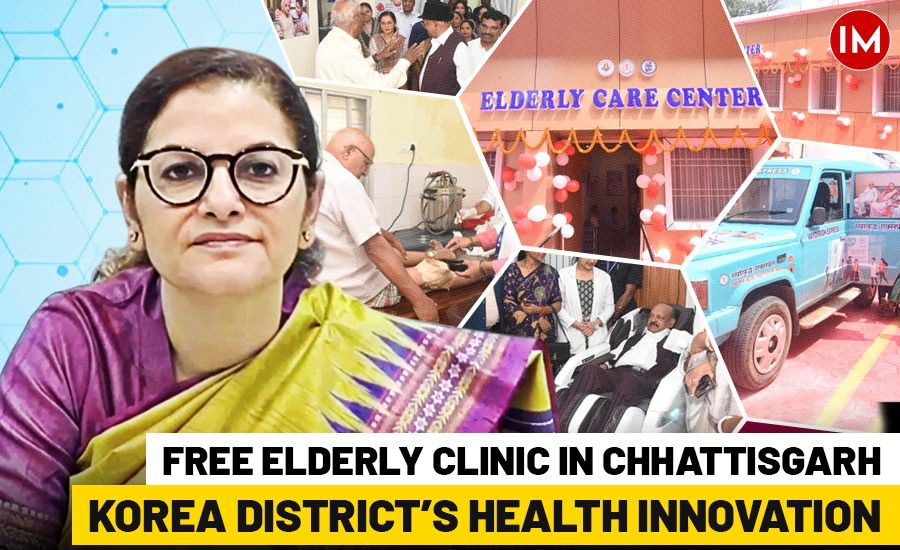
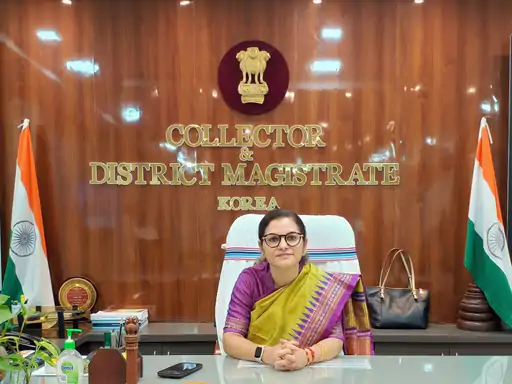
But in the tribal district of Korea in Chhattisgarh, one officer is redefining elderly healthcare with compassion, innovation, and efficiency. The district has witnessed a revolution in senior citizen care under the leadership of Ms. Chandan Sanjay Tripathi, the District Collector of Korea and a 2016 batch IAS officer of the Chhattisgarh cadre. Among her most remarkable initiatives is the establishment of a dedicated hospital for elderly people, which has slowly become a lifeline for seniors in the district.
Indian Masterminds exclusively interacted with Ms. Tripathi to learn about the initiative, its implementation, and its impact.
A Vision for Elderly Healthcare
Ms. Tripathi explained the motivation behind the initiative –
“We’ve taken another good initiative. Chhattisgarh’s first elderly hospital is running here in Korea. Elderly people, those who are sixty-five or seventy years old, often face difficulties even reaching hospitals. We wanted to change that.”
Her first step was the Vaya Vandana card, a system ensuring all elderly residents are registered for medical care. “We made 100% of the Vaya Vandana cards,” she said, “and even went to people’s homes because many cannot travel easily.”
Recognizing the physical strain of standing in long queues, she envisioned a separate clinic for seniors—a space that provides comfort, dedicated care, and timely medical attention.
The Elderly Clinic: Comfort and Care Redefined
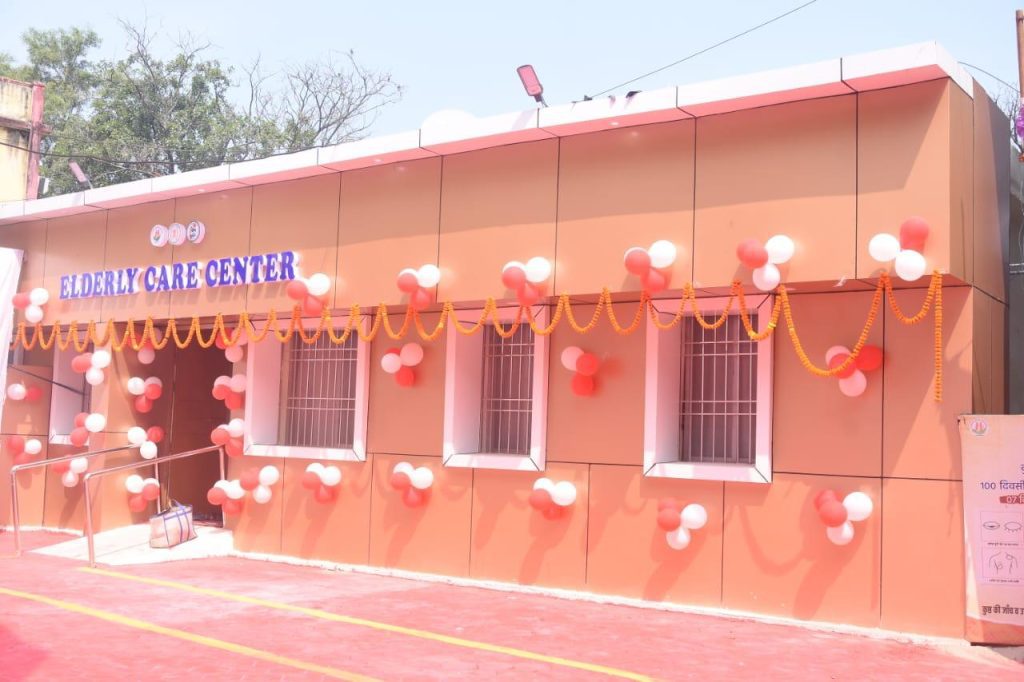
The Elderly Clinic, launched on October 1st last year, is a fully functional setup next to the district hospital, exclusively for seniors.
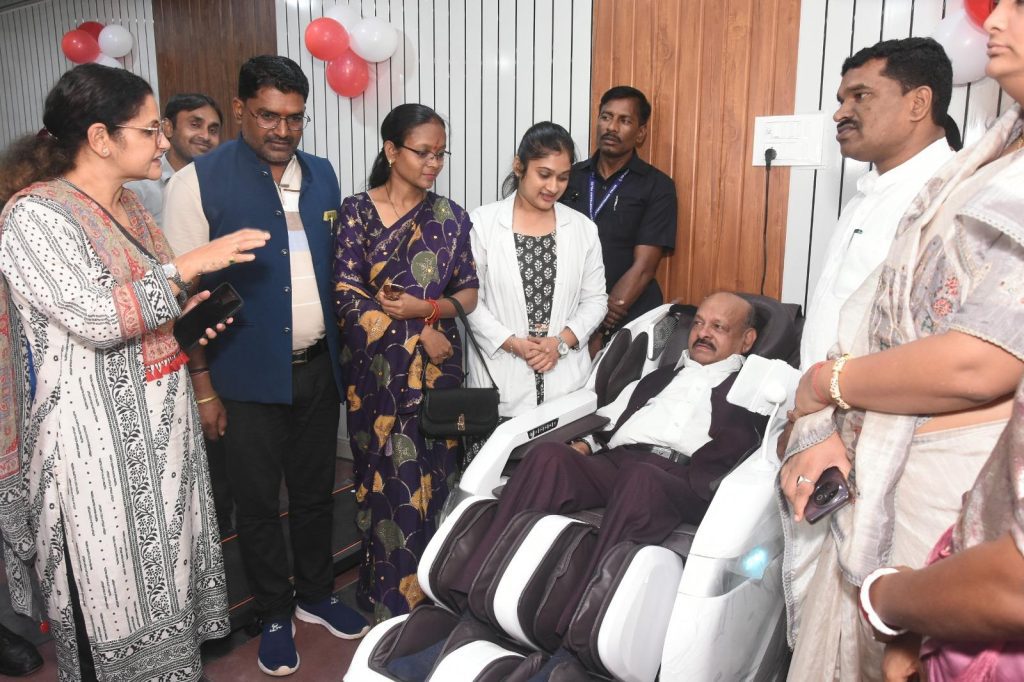
“It’s very painful for elderly people to stand in line at the medicine counter or for registration. In this clinic, they have sofas, nurses, doctors, exercise facilities, physiotherapy, and massage chairs. Everything is designed for their comfort,” Ms. Tripathi shared.
Some key features of the clinic include:
- Dedicated doctors and nurses for elderly care.
- A complete AYUSH system with massages using traditional methods and oils.
- Physiotherapy and light exercises tailored to senior citizens.
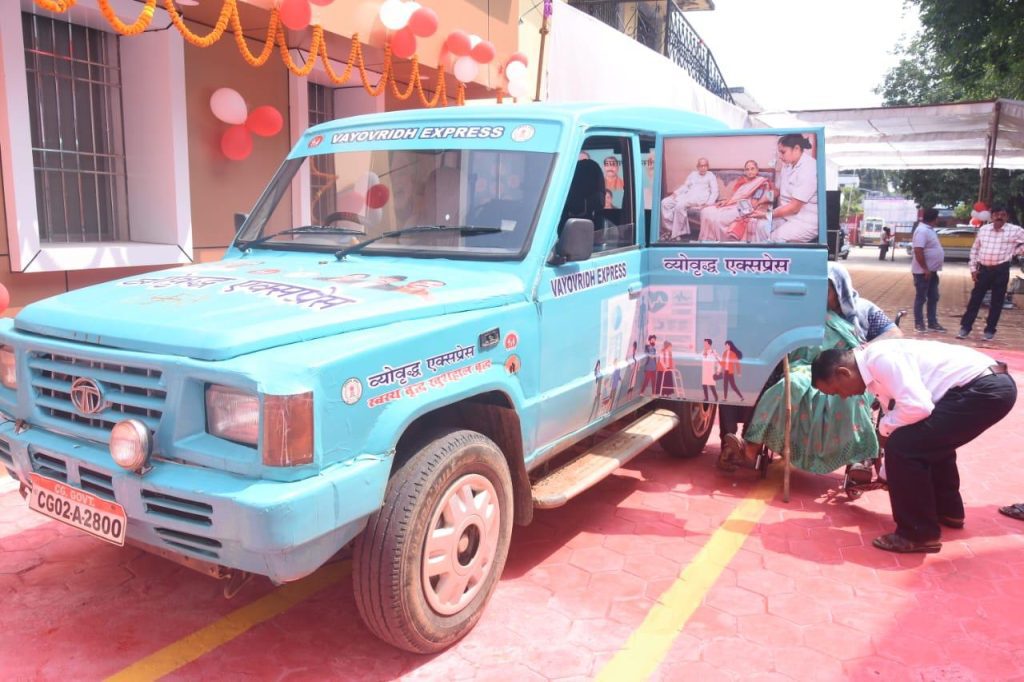
- A mobile outreach service, the Vriddha Express, which brings bedridden or remote patients to the clinic.
- Free services, including medicines, check-ups, and therapies.
“So far, over 750 patients have benefited,” she proudly added. “People even come from villages. The outreach service ensures that no elderly person is left behind.”
The initiative was implemented efficiently without heavy expenses, utilizing an existing building and old resources. The rest of the medical staff and facilities were arranged using the District Mineral Fund (DMF).
“This initiative is successful because it brings relief and comfort to seniors. They get a light massage, oil massage, and proper medical attention without the stress of long queues,” Ms. Tripathi emphasized.
Laddu Strategy: Fighting Malnutrition, Saving Lives
Ms. Tripathi’s commitment to public health extends beyond elderly care. Malnutrition among mothers and newborns was a serious challenge in Korea, with 20% of children born underweight by February 2025. Pregnant mothers were often anemic, exhausted, and undernourished.
Read Also: From 20% to 3%: How Chhattisgarh’s Korea District Is Beating Malnutrition With a Laddu
In response, Ms. Tripathi launched the Korea Modak Laddu initiative in February 2025. Using a traditional recipe, nutritious laddus were prepared and distributed among pregnant women, dramatically improving maternal and child health outcomes.
“The results are remarkable. Malnutrition rates dropped from 20% to just 3%. This was possible thanks to the hard work of thousands of women who prepare and distribute these laddus,” she explained.
A Model Officer Making a Difference
Ms. Tripathi’s approach blends innovation, empathy, and resourcefulness. From elderly clinics to nutritional programs for mothers, she demonstrates how visionary leadership can transform healthcare systems even in resource-limited, tribal districts.
“Seeing the smiles on their faces, the relief in their eyes, and knowing we’ve eased their pain – it’s the greatest reward. Healthcare is not just about medicine; it’s about dignity, comfort, and care,” she concluded.
Her initiatives in Korea district – both the Elderly Clinic and the Modak Laddu program – serve as inspiring models for other districts across India, showing how dedicated officers can truly change lives.