2 November 2026
ADVERTISEMENT
ADVERTISEMENT

How Pakistan Engineered Punjab Militancy Led By Sant Jarnail Singh Bhinderawale?

An eyewitness account of Operation Bluestar in Amritsar’s Golden Temple in June 1984. Who did what and why? What led the situation to a head and what happened in subsequent years. The then District Collector of Amritsar, Mr Ramesh Inder Singh, a 1974-batch IAS officer, relives the turbulent days in a candid interaction with Indian Masterminds.
Indian Masterminds Stories

Was Operation Bluestar avoidable? Could Golden Temple be saved? Could thousands of innocent lives be protected? Who was responsible for the genocide in Punjab? Could Indira Gandhi’s assassination be prevented? What was common between the seize of Saudi Arab’s Mecca Masjid and the Golden Temple? These are the questions that possibly altered the course of India’s history.

The then District Collector of Amritsar, Mr. Ramesh Inder Singh, a 1974-batch IAS officer, in a video interview with Indian Masterminds, deep dives into the history to answer all these perturbing queries.

Please watch the first part of a detailed interview with him by clicking here…

The year 1984 will be marked in India’s history in red ink. A lot of blood was shed in India that year. Over 2000 persons were killed in Operation Blue Star, launched by the Indian Army to flush out armed militants holed up in Amritsar’s Golden Temple—the most revered seat of the Sikh religion. For the first time the army wasn’t firing at the enemy, say the Chinese or Pakistanis, but at our own men – Indians. Sikh soldiers commanded by Sikh generals fired at Sikh militants, who too had been trained by a former Sikh general.

The instructions were not to damage the Golden Temple building. But, when militants trained by the champion of the Bangladesh war, Major General Shahbeg Singh, made life miserable for the army and commandos started falling like nine pins, the army used tanks to fire at Akal Takht, another holiest place, where Guru Granth Sahib is kept for the night.

A ‘skirmish’ that was supposed to have been a whirlwind operation of barely a few minutes turned into a full-fledged war that lasted more than two days. The ‘sacrilege’ prompted revolt in Sikh army units. Some of them drove in armored carriers with weapons towards Amritsar to avenge the ‘insult’.

That was somehow contained, but the community’s anger took the life of the then Prime Minister Indira Gandhi barely four months later. The fallout was one of the worst ethnic riots where Sikhs were targeted and killed in various parts of the country.

What was the genesis of the problem? What went wrong? Why were militants led by Sant Jarnail Singh Bhinderawala allowed to stockpile the deadliest of weapons inside the Golden Temple? Why did the Army launch Operation Blue Star almost on Guru Parab (Martyr Day of Guru Arjan Dev) when thousands of devotees were inside the Golden Temple? Why were devotees not allowed to escape/come out before army action began?

Was the Army aware of the Golden Temple’s topography and militants’ hideouts? What was the civilian government’s role during Operation Blue Star and its aftermath?

There is nobody who can answer these questions better than Mr. Ramesh Inder Singh, an IAS officer of the 1974 batch, who at the time of Operation Blue Star was posted in Amritsar as District Collector. He saw everything with his own eyes. He heard every bullet shot from his own ears. He was privy to all decisions—military or civilian—taken at that time.

He has penned a book, Punjab in Turmoil: Before and After Operation Blue Star, an Inside Story, on the subject. It has every detail one would want to know. Besides, he is also one of the 12 IAS/IFS officers of the 1974 batch who, as part of the Golden Jubilee celebrations of their batch, have recounted their memoirs in another book – Rear View: Tales of Administration and Diplomacy. 


Indian Masterminds Stories
Join our WhatsApp Channel
ADVERTISEMENT
ADVERTISEMENT
Related Stories
ADVERTISEMENT
ADVERTISEMENT
NEWS
AI in Bihar
Bihar to Promote AI Use in Government Schools, Education Department Writes to All DEOs
Bihar Education
Bihar to Make Computer Education Mandatory from Class 6, Plans Smart Classrooms in 700 Schools 
IAS Shikhar Agrawal and IPS Prashakha Mathur
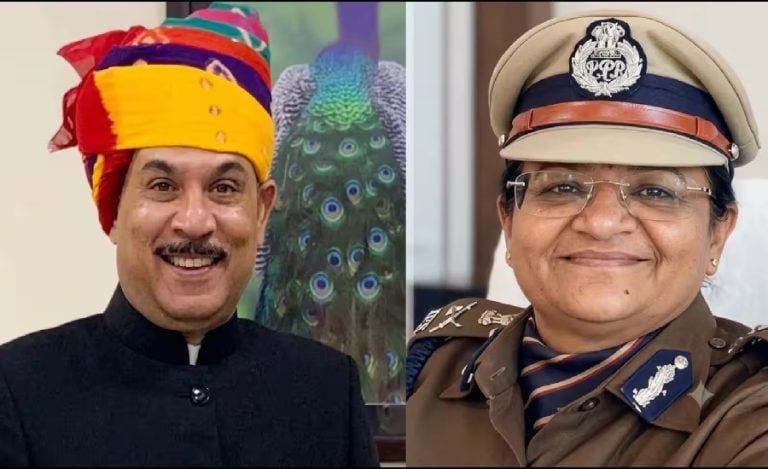
Rajasthan Issues Show-Cause Notices to IAS Shikhar Agrawal, IPS Prashakha Mathur; ACB Inquiry Underway Against Both
Gujarat-Police
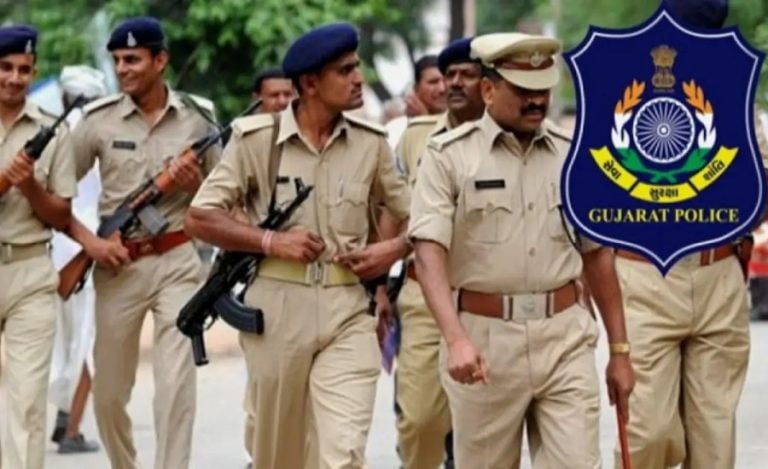
Gujarat Records 21 Police Encounters in Two Years: Is State Following Yogi Adityanath’s Model? 
zoo patna
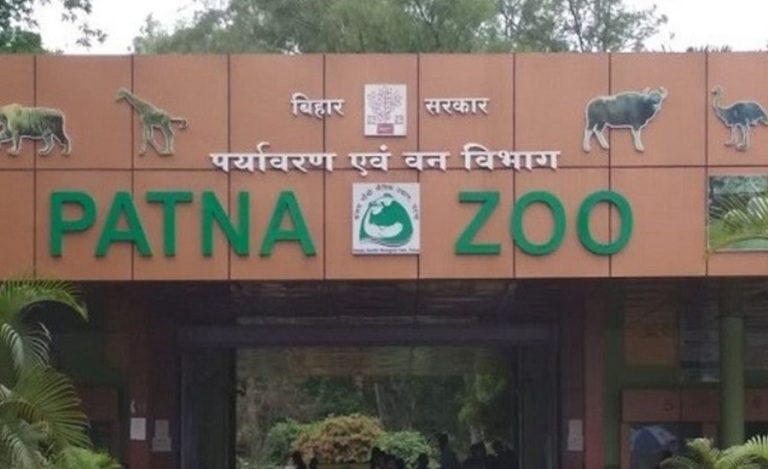
Bihar: Patna Zoo Toy Train to Restart by January 2027, Get Vande Bharat-Inspired Look with Modern Facilities
NEET PG 2026
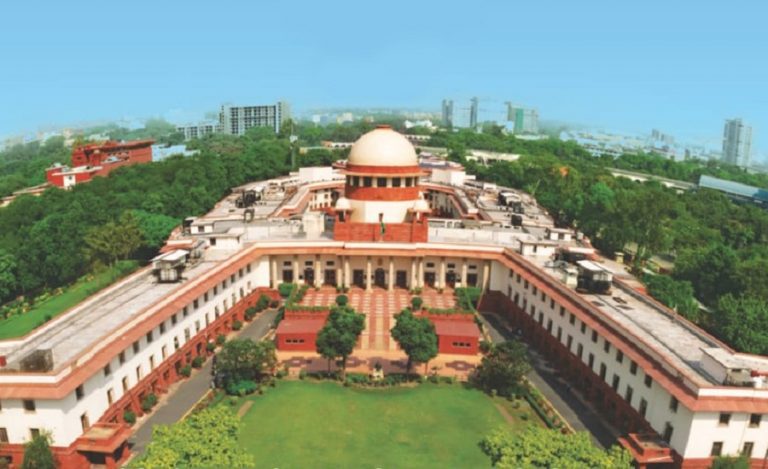
NEET PG 2026: Supreme Court Questions NBEMS Over Hidden Question Papers
MP Forest Recruitment - 2
MP Forest Department Set for Major Changes: IFS Officers Kanchan Devi, Prakash Unhale to Return from Deputation
Ram Mandir Donation Theft
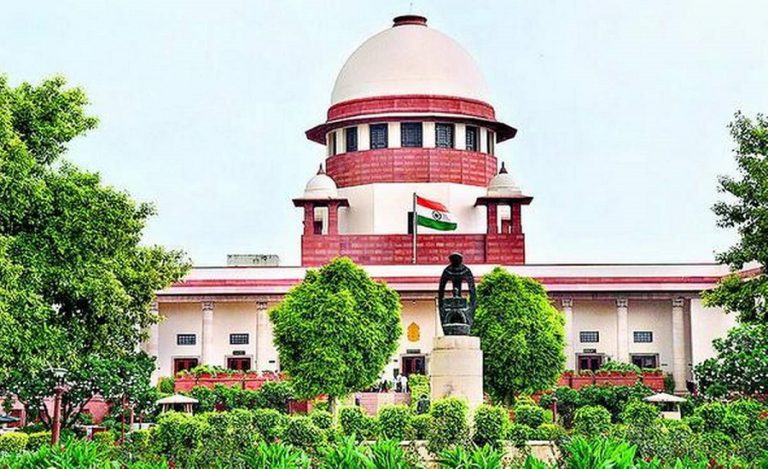
Ram Mandir Donation Theft: Supreme Court Allows Petitioners To Assist Magistrate
ADVERTISEMENT
ADVERTISEMENT
Videos
Five years after Kargil, India sent its cricketing heroes to Pakistan where terrorism posed a deadly threat. The man guarding them, former Special Director of Intelligence Bureau, Mr. Yashovardhan Azad, reveals what all went behind the scenes during that crucial tour. 
Trust No One, Said His Instinct in Pakistan
Gajendra Singh Shekhawat
How India Plans to Boost Tourism, Create Jobs and Ease Overcrowding : Gajendra Singh Shekhawat on the Road to 2047
Dr Saket Badola IFS
Beyond Tigers and Safaris: How Corbett Literature Festival Wants to Change the Conservation Conversation
ADVERTISEMENT
UPSC Stories
UPSC Story
He Taught Students to Meet Expenses. Today, Sachin Bhadouria is a Scientist ‘B’ at CWPRS
Sachin Bhadouria overcame financial challenges and a Hindi-medium background to secure AIR 2 in a UPSC...
Vishwas Jhargad UPSC CAPF
A Photograph of His Mother Accompanied Vishwas Jhargad to the UPSC Interview, Where His Dream Came Closer
Vishwas Vijay Jhargad lost both parents as a child. With his family's support, he secured AIR 145 in...
IA&AS Lokesh Datal
‘Dreams Don’t Change Lives, Daily Habits Do’: IA&AS Officer Lokesh Datal on UPSC and Discipline
IA&AS officer Lokesh Datal shares his UPSC journey, clearing the exam in his fourth attempt, building...
CSR NEWS
Petronet LNG public health award
Petronet LNG Wins ‘Excellence in Public Health Initiatives’ Award at Asia Social Impact & Sustainability Awards 2026 
The recognition, presented in Mumbai on October 28, highlights the company’s commitment to public health,...
CMPDIL Unnat Krishi Project
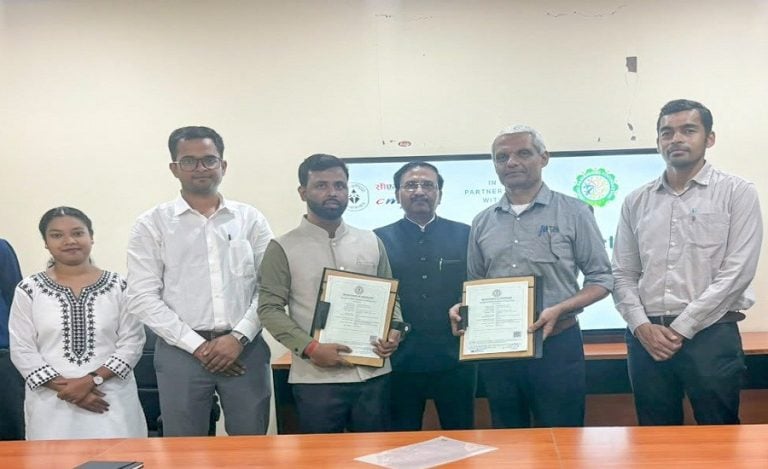
CMPDIL Signs MoA with Nidhi Samriddhi Foundation to Promote Climate-Resilient Agriculture in Jharkhand
Unnat Krishi Project to introduce ICT and IoT-enabled precision farming for around 100 farmers across...
MCL
MCL Signs MoU to Provide ₹3.20 Crore for Multipurpose Community Hall in Anugola Under CSR
The project at the Reserve Police Office in Chheliapada aims to strengthen local civic infrastructure...
ADVERTISEMENT
ADVERTISEMENT
ADVERTISEMENT
Latest
AI in Bihar
Bihar to Promote AI Use in Government Schools, Education Department Writes to All DEOs
Bihar Education
Bihar to Make Computer Education Mandatory from Class 6, Plans Smart Classrooms in 700 Schools 
ADVERTISEMENT
ADVERTISEMENT
ADVERTISEMENT
ADVERTISEMENT
ADVERTISEMENT
ADVERTISEMENT
ADVERTISEMENT
Videos
Five years after Kargil, India sent its cricketing heroes to Pakistan where terrorism posed a deadly threat. The man guarding them, former Special Director of Intelligence Bureau, Mr. Yashovardhan Azad, reveals what all went behind the scenes during that crucial tour. 
Gajendra Singh Shekhawat
Dr Saket Badola IFS
ADVERTISEMENT
ADVERTISEMENT