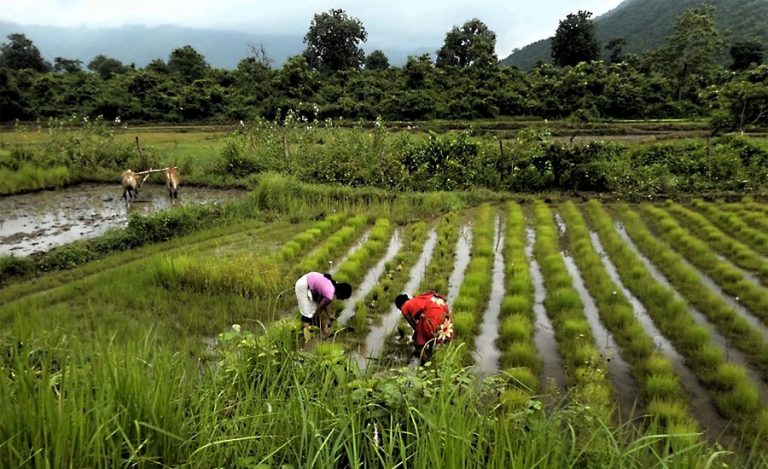
Dalpatpur, a small village in Uttar Pradesh’s Bulandshahr district, does not appear on maps of ambition. There were no paved roads to promise progress, no bridge to make daily life easier. For young Veer Pratap Singh Raghav, even reaching school meant walking five kilometres each way, often crossing a river on foot. Every morning began with dust on his shoes and uncertainty under his feet, but turning back was never an option.
Born into a farming family, Veer Pratap grew up watching his father, Satish Raghav, struggle against shrinking margins and unpredictable seasons. The household ran on modest means, measured choices, and silent compromises. Education was valued deeply, even when it came at a cost the family could barely afford.
LESSONS LEARNED BEFORE THE CLASSROOM
His early schooling began at Arya Samaj School in Karaura, where he studied till Class 5. From Class 6 onwards, he attended Surajbhan Saraswati Vidya Mandir in Shikarpur. The journey to school itself was a lesson: ten kilometres a day on foot, through fields and water crossings, in heat and rain alike.
At home, there were no spare resources, but there was encouragement. His elder brother also dreamt of the civil services, a dream that financial reality cut short. He joined the Central Reserve Police Force instead. That unfinished aspiration stayed in the family air, quietly shaping Veer Pratap’s own resolve to go further.
ALIGARH AND A WIDER WORLD
Higher education took him out of the village and into Aligarh Muslim University, where he pursued a B.Tech in Mechanical Engineering, graduating in 2015. For the first time, Veer Pratap encountered structured libraries, academic debate, and a wider social circle. But the sense of responsibility travelled with him. He knew he was carrying not just his own future, but the weight of his family’s hopes.
Engineering was not the final destination. Somewhere between lectures and late-night study sessions, the idea of the civil services took firm root, not as a symbol of status, but as a path to meaningful authority and public work.
TWO FAILURES AND A GROWING DEBT
He began preparing for the UPSC Civil Services Examination soon after graduation. The first attempt came and went. So did the second. With each result, the pressure increased: financial, emotional, and social.
The family took a loan from private sources to keep his preparation going. There were no backup plans, no alternate careers waiting in the wings. Every book, every test series, every month in preparation was borrowed time and borrowed money. His father’s quiet faith carried the family through those years of uncertainty.
PHILOSOPHY, FOCUS, AND THE THIRD ATTEMPT
For his optional subject, Veer Pratap chose Philosophy, a decision that demanded depth, clarity, and sustained reading. In the UPSC Mains, he scored an impressive 306 out of 500 in the subject, placing him among the highest scorers in Philosophy that year.
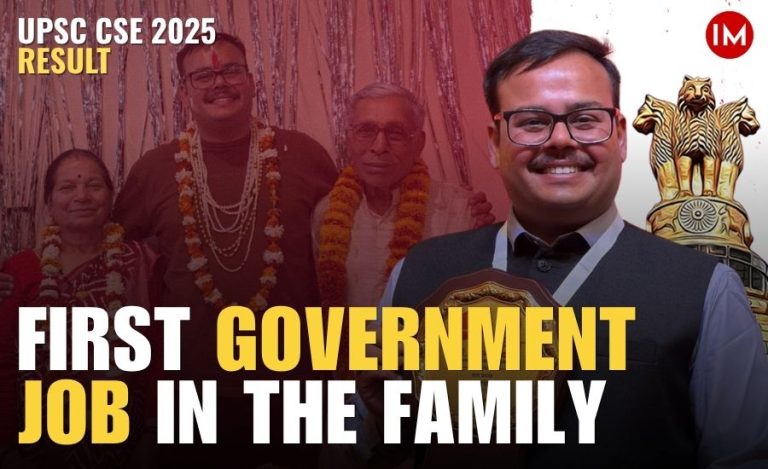
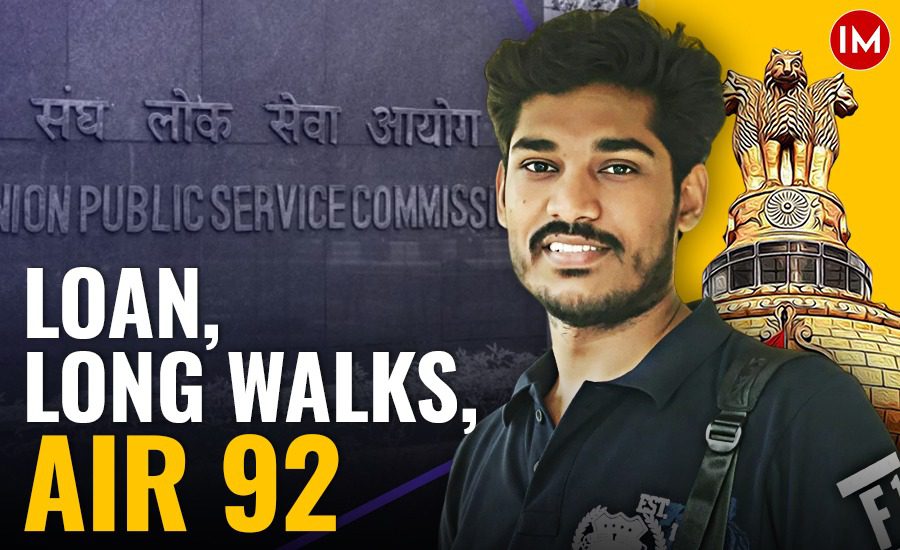
On his third attempt, the result finally changed the course of his life. Veer Pratap Singh Raghav secured All India Rank 92. The news travelled quickly, from examination halls to village lanes where his journey had begun.
ENTERING THE SERVICE, CARRYING THE PAST
Allocated to the Tamil Nadu cadre of the Indian Administrative Service, Veer Pratap stepped into governance far from his home state. As an Assistant Collector, he found himself handling land revenue, district administration, and grassroots governance, work that placed him directly among the people he now served.
The officer who once crossed rivers to attend school now navigated files, field visits, and policy decisions. The contrast was stark, but the grounding remained the same. His upbringing had already taught him how scarcity shapes lives and how administration touches the everyday.
WHY HIS STORY STAYS WITH YOU
Veer Pratap Singh Raghav’s journey is not framed by privilege or shortcuts. It is marked by long walks, unpaid debts, repeated failure, and family faith that never asked for guarantees. His story continues to circulate among aspirants across India, especially those from rural and economically weaker backgrounds, because it speaks in a language they recognise.
Not of ease, but of endurance.
Not of luck, but of lived struggle.
Not of overnight success, but of years that tested belief.
From Dalpatpur’s riverbanks to the administrative machinery of a southern state, his life reminds us that distance, geographical or social, can be crossed, step by step, even when the bridge does not yet exist.