“Success in UPSC is not about cutting yourself off from life; it is about staying true to your target even while living through every challenge that life brings.”
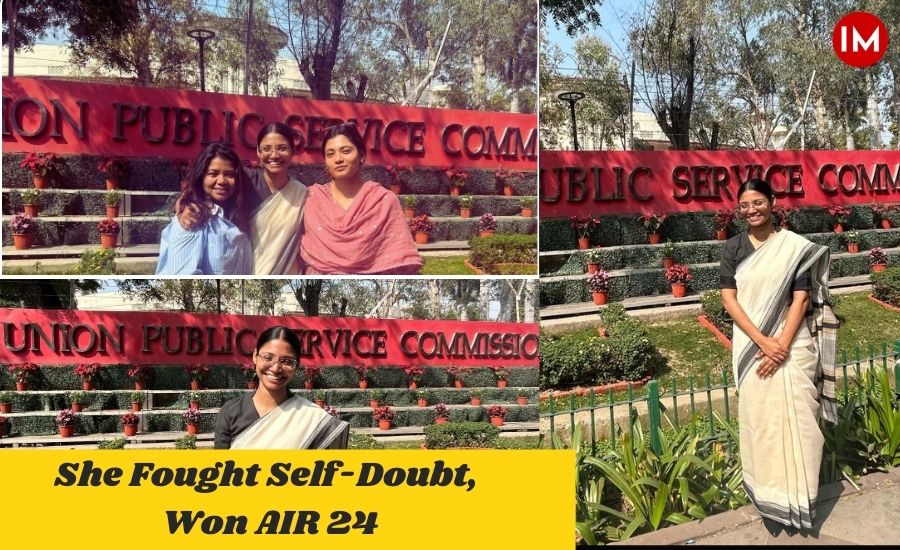
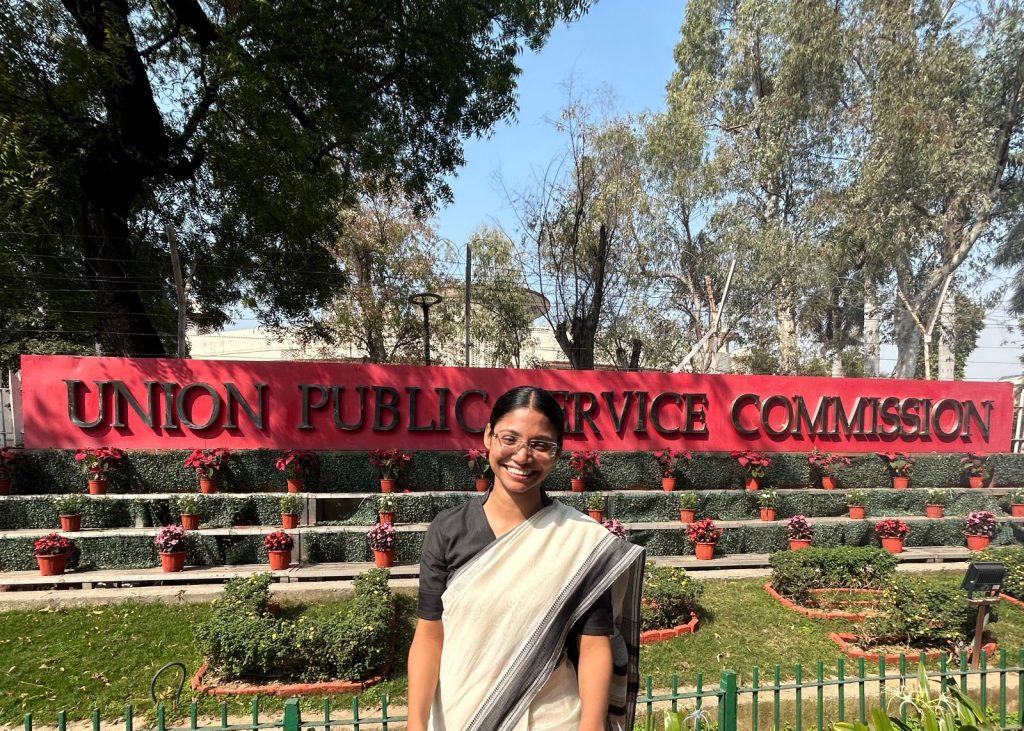
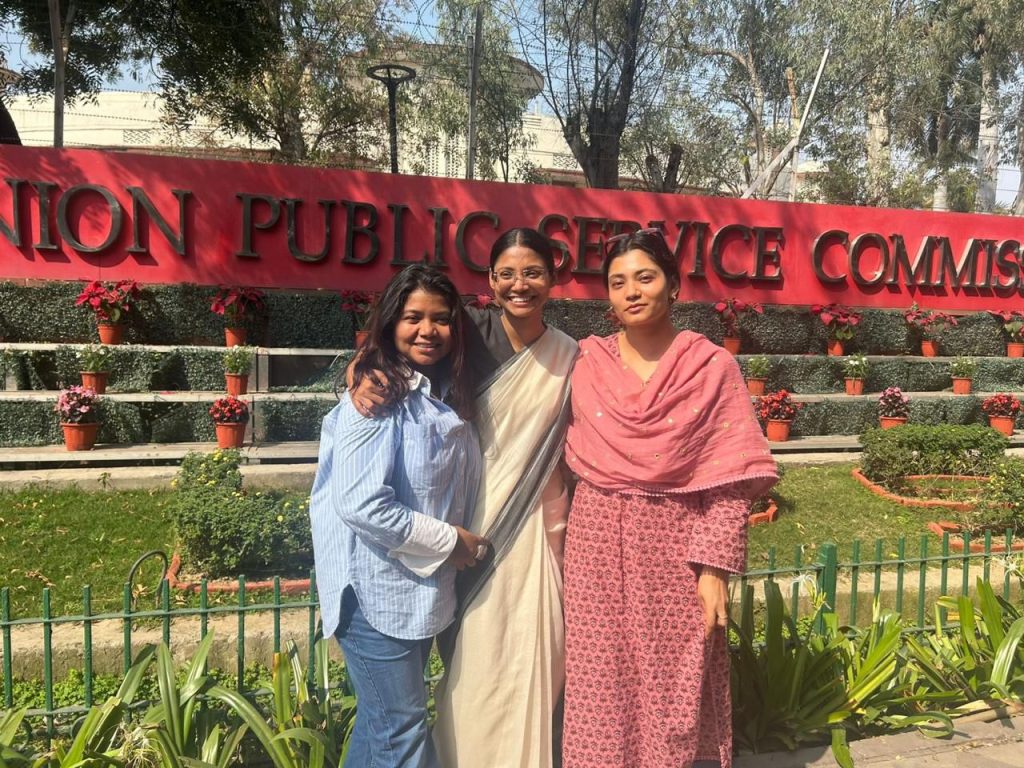
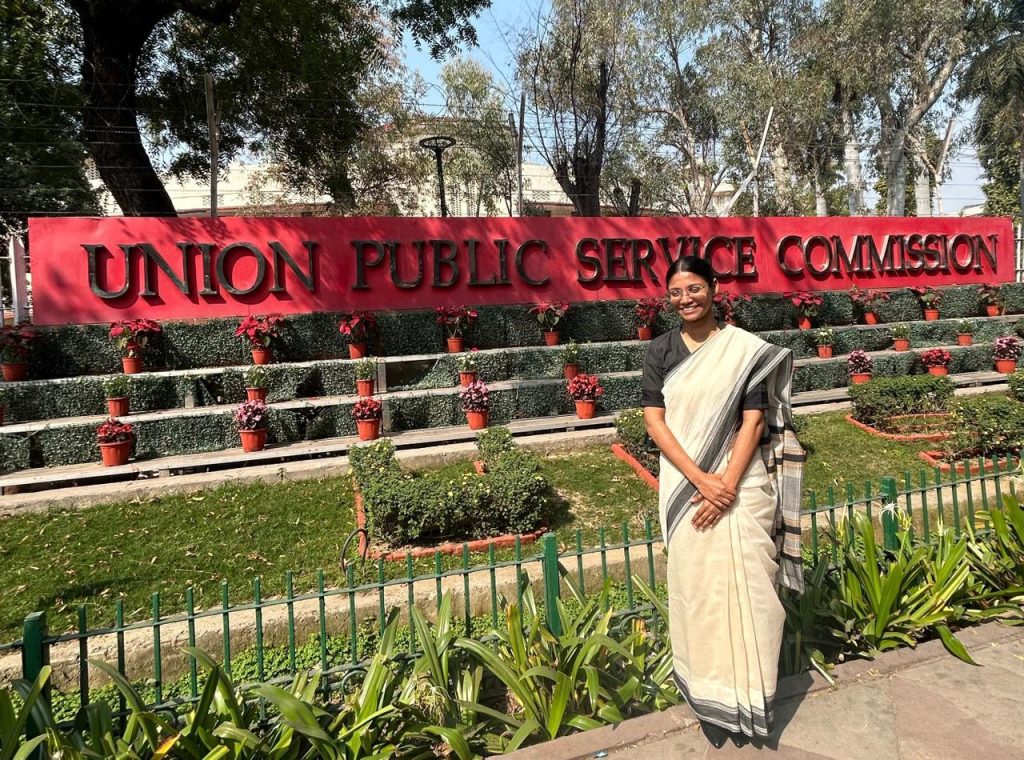
In a district known across India for its carpet industry, a young woman from a small village has woven a story of determination, patience and quiet resilience that is now inspiring thousands of aspirants across the country. Ifra Shams Ansari, a resident of Rotaha village under Chauri police station area of Bhadohi district in UP, has secured All India Rank 24 in the UPSC Civil Services Examination 2025, emerging as one of the top achievers in the country and bringing immense pride to her family, village and district.
Her achievement carries a deeper emotional significance: Ifra is being celebrated locally as the first daughter from Bhadohi district to reach the Indian Administrative Service level through UPSC with such a remarkable rank. The moment the results were announced, joy spread rapidly across her village. During the holy month of Ramadan, her success turned the atmosphere festive – neighbors, relatives and villagers began arriving at her home from early morning, congratulating the family with hugs, prayers and blessings.
For Bhadohi, this is not merely an examination result – it marks the rise of a symbol of aspiration for daughters across the region. Indian Masterminds spoke to her exclusively to understand her inspiring journey in greater detail.
A Family Rooted in Simplicity, Values and Hard Work
Ifra comes from a grounded and hardworking family. Her father, Shams Alam Ansari, is associated with the carpet export business, a sector deeply linked to Bhadohi’s identity. Her mother, Yasmeen Ansari, is a homemaker who has played a central role in nurturing the family’s educational environment.
Read Also: The rise of ‘Repeat Rankers’ in UPSC CSE 2025
The family includes three daughters and one son, and Ifra is the second eldest among the siblings.
Despite not coming from an elite metropolitan administrative background, the family consistently encouraged education and ambition.
Her father says the family always believed in giving children freedom to dream, but Ifra’s determination transformed that trust into a national achievement.
Her Background: Bhadohi, Lucknow, Delhi and a Larger Vision
Ifra’s academic journey reflects steady excellence across institutions.
She began her schooling in Bhadohi at Tiny Tots Preparatory School. Later, she moved to La Martiniere Girls’ College, Lucknow, where she completed higher schooling.
She then entered one of the country’s prestigious institutions, Lady Shri Ram College for Women, Delhi, where she pursued Bachelor’s in Economics.
Her academic curiosity did not stop there. She went on to complete her Master’s in Sociology from Delhi School of Economics, Delhi University.
Interestingly, UPSC was not always her immediate goal.
Speaking with Indian Masterminds, she explained, “Till I reached my Master’s level, I was not even fully aware that UPSC was what I truly wanted to pursue.”
The Turning Point: Grassroots Exposure Changed Her Direction
The real shift came during her college years.
While studying, Ifra actively participated in fieldwork through NSS and other social engagement activities. During her undergraduate years, she also took a short course in Public Policy, which significantly influenced her thinking.
That experience changed her perspective permanently.
“When I saw grassroots realities closely, I realised that if I genuinely wanted to create impact at scale, civil services offered a platform unlike any other.”
She began to see the Civil Services not merely as a career but as a vehicle for structural public change.
“Considering my own skill set, my aspirations, and the kind of work I wanted to do, Civil Services felt like the right fit.”
Journey So Far: Three Attempts, One Powerful Comeback
Although some early reports suggested it was her second attempt, Ifra clarified that UPSC CSE 2025 was actually her third attempt.
Her journey unfolded in three stages –
First Attempt (2023)
- Could not clear Prelims
- Faced difficulty due to the changed pattern of UPSC paper
Second Attempt (2024 Cycle)
- Cleared Prelims
- Cleared Mains
- Reached Interview stage
- Missed final selection
Third Attempt (UPSC CSE 2025)
- Cleared all stages
- Secured AIR 24
The emotional difficulty of missing final selection after interview was immense, but she returned stronger.
“The hardest part was appearing again before I had even emotionally processed the previous result.”
The Biggest Struggle: Fighting Her Own Mind
When asked about the single biggest struggle in her journey, Ifra did not mention books, syllabus or competition.
She answered without hesitation – “Mental health was my biggest struggle.”
After facing failure, especially after earlier setbacks, she experienced self-doubt deeply.
“I often felt – maybe I cannot do this, maybe this is not for me.”
The period became even harder because UPSC timelines did not allow emotional recovery.
“Before I could even fully process one result, the next attempt was already there.”
She also felt the pressure of age, time and career uncertainty.
“I had completed my Master’s. Time was passing. I wanted to earn. Unemployment also felt like a very real struggle.”
Yet the deepest battle remained internal – “The biggest challenge was fighting the thought that I was not capable.”
Her Strongest Support System: Sister, Friends & Positive Ecosystem
Ifra repeatedly credited the environment around her.
She specifically acknowledged the role of Residential Coaching Academy (RCA), Jamia Millia Islamia, where she prepared.
“I give full credit to RCA. The ecosystem, the administration, the friends I made there – everyone supported me throughout.”
This year, many candidates from RCA succeeded, and she believes such environments matter deeply in long preparation cycles.
She also highlighted her sister’s role – “My elder sister has been my greatest support.”
Her Preparation Strategy: Static First, Smart Revision, Limited Mocks
Ifra’s preparation strategy was remarkably disciplined but highly personalised.
She rejects the idea that UPSC requires social isolation.
“It doesn’t matter how many hours you study. I was never someone who cut off social media completely or stopped meeting friends.”
“I chose to stay connected with the world while preparing.”
Her Prelims Strategy
She focused heavily on static portions.
“The static part must never go wrong.”
After observing changing UPSC trends, she prepared with the belief that unexpected questions can always appear.
Core Methods She Used –
- Strict focus on standard textbooks
- Multiple revisions
- PYQ-based note making
- Writing directly inside previous papers
- Limited but quality mock practice
- Timed General Studies solving
“I turned previous year question papers into my own notes,” she added.
She noticed recurring patterns.
“Almost every year, one or two ideas repeat in some form.”
Subject-wise Improvement
For Geography:
- She focused on understanding diagrams thoroughly, as questions were increasingly being asked from that area.
For Art and Culture:
- She relied entirely on standard books and repeated revisions.
The Role of PYQs and Skill-Based Learning
A major part of her Prelims improvement came from mastering elimination techniques.
“Understanding UPSC language and elimination skills helped me immensely.”
Instead of blindly increasing volume, she focused on pattern recognition.
Sociology Optional: Strategy Built on Understanding Society Deeply
Though many assumed Philosophy was her optional, Ifra clarified that her optional subject was Sociology.
Given her Master’s background in Sociology, the subject naturally aligned with her academic strength.
Her understanding of society, grassroots realities and social structures likely strengthened both optional writing and interview maturity.
Interview Experience: From Name Meaning to Global Diplomacy
Ifra described her UPSC personality test as short but highly engaging.
She was the last candidate before the board that day.
Most questions were based on her DAF (Detailed Application Form).
Some Interview Questions She Faced –
- Questions on contemporary relevance of different states
- Meaning and interpretation of her own name
- Questions related to college background
- Architecture and heritage sites
- European football vs South American football
- Why is child labour prevalent in Bhadohi carpet industry ?
- What are important maritime chokepoints?
The Most Interesting Question
The board created a diplomatic role-play –
Two members acted as Volodymyr Zelenskyy and Vladimir Putin, while she was asked to act as mediator.
Question: “How would you bring an end to the war?”
This tested diplomatic thinking, negotiation ability and situational judgment.
Inspiration Behind UPSC Preparation
On what inspired her to prepare for UPSC, Ifra said, “Coming from Bhadohi, I grew up witnessing the grit and resilience of our private carpet sector. During the pandemic, when the industry was severely affected by the global slowdown, I saw a turning point in the inauguration of the Bhadohi Carpet Expo Mart. Observing the scale of impact that an administrative intervention could create – providing a lifeline to thousands of weavers – was deeply inspiring.”
“It made me believe that the Indian Administrative Service would give me an opportunity to work with the public, for the public, and bring tangible changes to people’s lives. On a personal level too, the diversity and scope that the service offers make it a powerful avenue for growth and learning.”
A Different Kind of UPSC Aspirant
One striking aspect of Ifra’s journey is that she never believed in extreme isolation.
She represents a modern, mentally balanced preparation style.
“I was not someone who cut myself off from the world.”
That balance perhaps helped her sustain energy across years.
Message for Aspirants: Protect Your Individuality
Her advice is deeply practical. “Figure out your own strengths.”
She believes aspirants often lose themselves by copying others.
“We fall into the trap of imitation. Standards matter, but your uniqueness matters more.”
She strongly emphasises mental health.
“Staying resilient during dry phases and prioritising mental health is essential.”
“A strong support system and positive people matter immensely.”
And finally:
“Belief in yourself is not optional in this journey.”
Bhadohi’s Celebration: A New Symbol for Young Girls
Today, Rotaha village is celebrating more than rank.
Families across Bhadohi are discussing one message: daughters can dream nationally.
In homes where civil services once seemed distant, Ifra’s story now feels reachable.
Her success during Ramadan has given the district an emotional moment of pride, faith and aspiration.
From carpet-town roots to one of India’s toughest examinations, Ifra Shams Ansari’s journey stands as proof that resilience often matters more than perfection.
And perhaps her most powerful lesson remains this:
“You do not need to become someone else to clear UPSC. You only need to become stronger in who you already are.”