For nearly a decade, Gopichand Ghosh lived far from home, separated from his family and from the life he once knew. A well-educated professional from Nadia district in West Bengal, his personal and financial stability collapsed after the Rose Valley scam wiped out his savings. The shock affected his mental health, and at some point, he drifted away from his family. How he eventually reached Jharsuguda in Odisha remains unknown. What is known is that his family believed he was no longer alive.
Ghosh was rehabilitated at Mission Ashalok, a care institution supported by the District Mineral Foundation (DMF), Jharsuguda, where he received sustained treatment and support. Years later, through a determined administrative effort, he was traced, identified, and reunited with his family. He returned not as a forgotten individual, but as someone given the chance to rebuild his life.
“Each reunification has its own soul, its own story.”
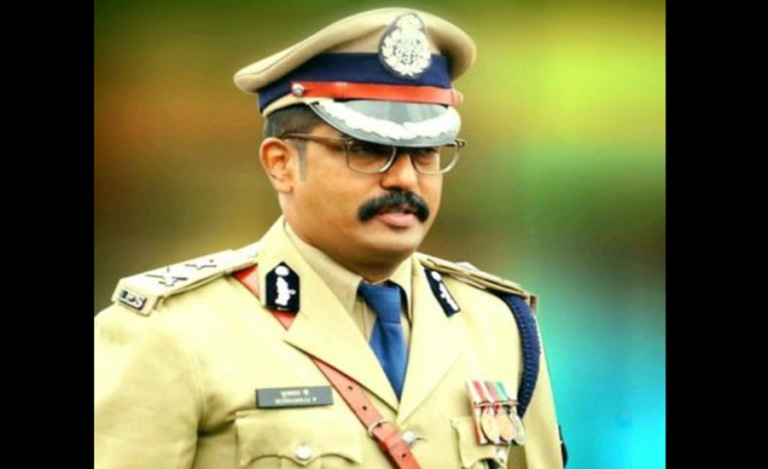
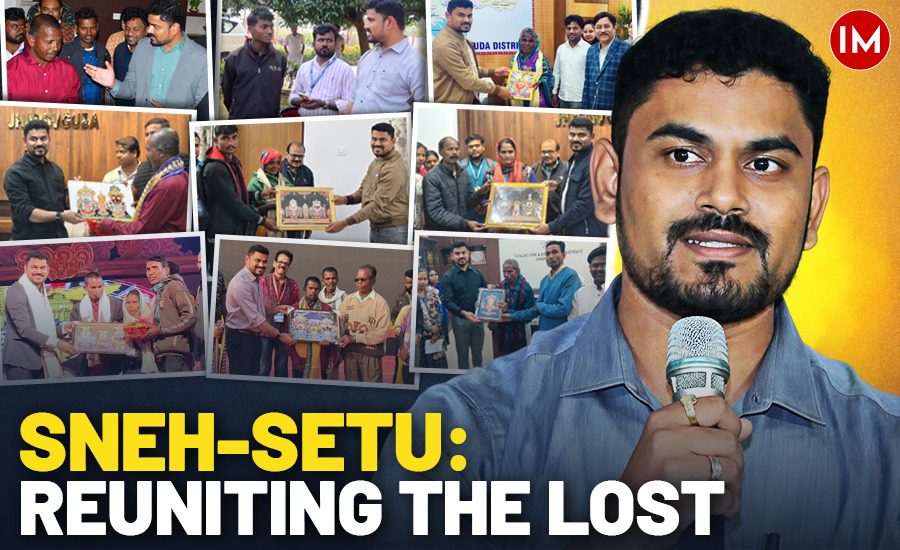
This reunion reflects the deeper purpose of Sneh-Setu, a humane initiative led by IAS officer Kunal Motiram Chavan, District Collector, Jharsuguda, Odisha, which focuses on identifying lost and destitute persons from other states living in institutional care and reconnecting them with their families through lawful, coordinated, and respectful processes.
AN INITIATIVE BORN FROM A HUMAN INTERACTION
The origins of Sneh-Setu trace back to a moment during a routine visit to an old age home in Jharsuguda. While interacting with residents in Odia, the District Collector noticed an elderly woman responding in Hindi. Her request was simple—she wanted to go home. When she mentioned she was from Solapur, Maharashtra, the Collector spoke to her in Marathi, immediately changing the tone of the interaction.
That encounter led to a wider realisation. Many residents in Jharsuguda’s care institutions were from other states, living far from their families with little chance of return.
“That day, I discovered that over 100 lost individuals from other states were living in institutions across the district,” Mr Chavan shared in a conversation with Indian Masterminds.
Recognising the scale of the issue, the District Collector began reaching out to batchmates, colleagues, and officers posted in other states. What started as informal coordination soon took the shape of a structured administrative mechanism.
“What began as a personal promise has now evolved into a self-sustaining administrative ecosystem – tracing families and building a true bridge of love, dignity, and belonging.”
FROM CARE TO RECONNECTION
Sneh-Setu operates through a careful and phased process. Individuals living in old age homes and facilities for the mentally challenged are first identified. Immediate needs such as shelter, food, counselling, and medical treatment are addressed through institutions supported by DMF Jharsuguda. Only after stabilisation does the district administration begin the task of tracing families.
The process involves patient counselling, identity verification, and extensive coordination with district administrations of the concerned home states. Local representatives and social media are also used to locate families. Every step follows legal and administrative safeguards to ensure that reunification is safe, voluntary, and dignified.
So far, 12 individuals have been reunited with their families under Sneh-Setu. These include 2 from Maharashtra, 2 from Madhya Pradesh, 3 from Bihar, 1 from West Bengal, and 4 from Chhattisgarh. Each case required sustained inter-state cooperation and administrative follow-through.
The results demonstrate that even complex cases can be resolved when governance functions across boundaries with clarity and purpose.
REDIFINING PUBLIC SERVICE THROUGH LIVED OUTCOMES
For the District Collector, witnessing family reunifications has reinforced a deeper understanding of public service. Administrative roles often involve structured responsibilities and routine decision-making. However, initiatives like Sneh-Setu offer a reminder of the human impact behind official actions.
“Administrative responsibilities are often demanding, and it is easy to become absorbed in structured workflows and day-to-day priorities.”
Reunions serve as moments of professional reflection rather than celebration, reaffirming the purpose of service. “It reassures me that public service is most impactful when it extends beyond processes to touch lives with dignity and care.”
These experiences have strengthened the administration’s commitment to balance efficiency with sensitivity, ensuring that welfare does not stop at institutional care alone.
A MODEL ROOTED IN INTENT AND COORDINATION
What sets Sneh-Setu apart is its focus on reintegration rather than long-term institutionalisation. Without creating new schemes or parallel structures, the initiative works within existing systems, supported by DMF-funded institutions and cooperative inter-state administration.
It also highlights the role district administrations can play in addressing issues that cut across state boundaries. With consistent follow-up and professional coordination, families once separated by time and distance can be reconnected.
As Jharsuguda continues this effort, Sneh-Setu stands as a people-first administrative practice—one that restores identity, family bonds, and dignity through governance that listens, responds, and acts with responsibility.