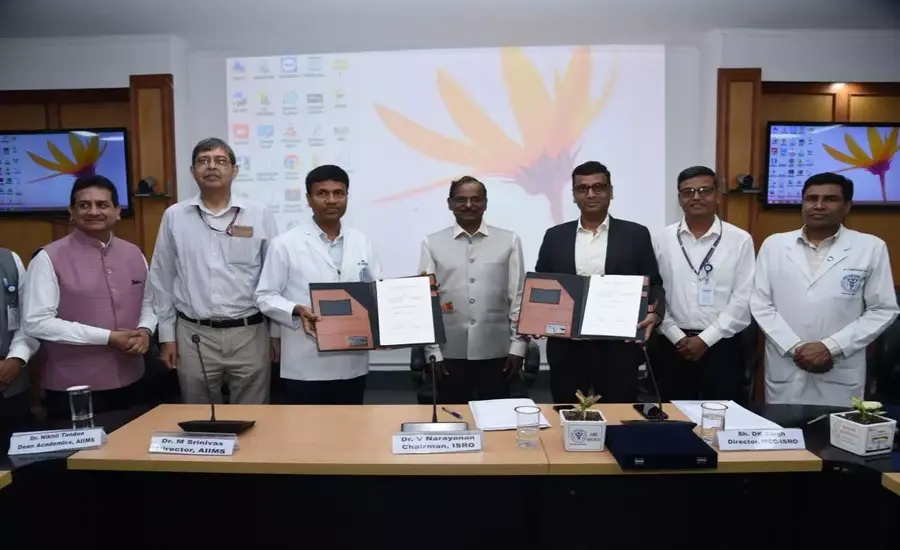
New Delhi: Space medicine research in India has taken a major step forward after the All India Institute of Medical Sciences (AIIMS), New Delhi and the Indian Space Research Organisation (ISRO) signed a historic Memorandum of Understanding (MoU).
The partnership aims to study how the human body behaves in space and to develop medical systems needed for India’s Gaganyaan human spaceflight mission and future crewed missions.
Signed on 9 March 2026, the agreement brings together India’s top medical expertise and space technology capabilities. The collaboration will help scientists understand the health challenges astronauts face in microgravity and develop solutions to keep astronauts safe during long-duration space missions.
Details of AIIMS-ISRO MoU
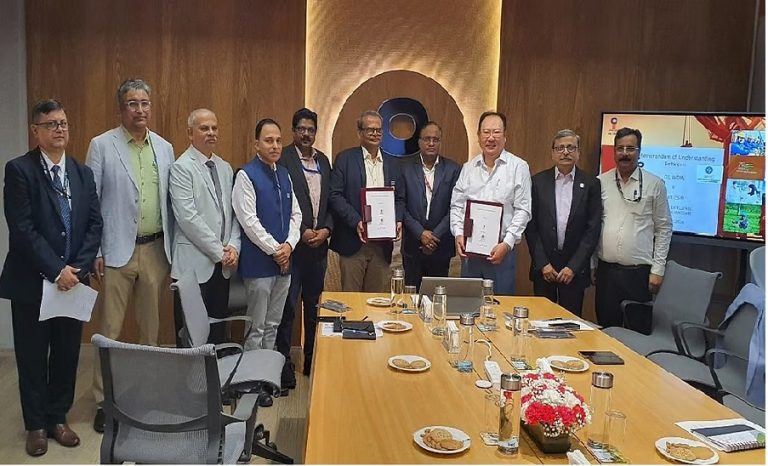
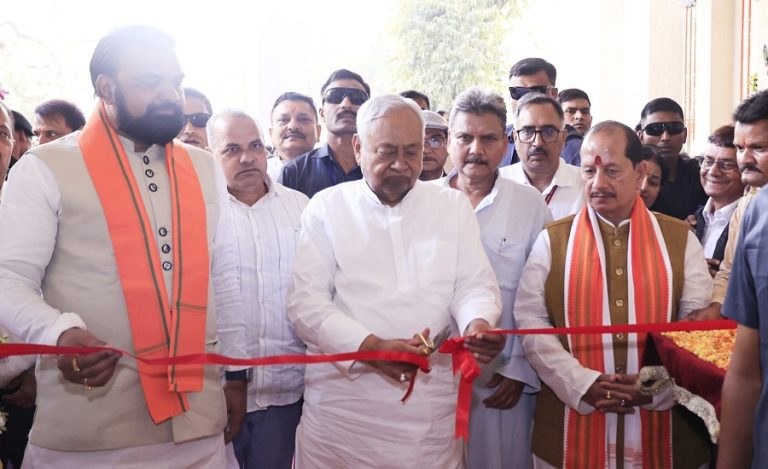
The MoU was signed between Prof. M. Srinivas, Director of AIIMS New Delhi, and Dinesh Kumar Singh, Director of ISRO’s Human Space Flight Centre (HSFC).
The signing ceremony was attended by senior officials including ISRO Chairman V. Narayanan and representatives from the Department of Space, AIIMS faculty members, students and medical researchers.
This partnership creates a formal framework for joint research in space medicine, combining AIIMS’ medical expertise with ISRO’s experience in human spaceflight technology.
Why Space Medicine Is Important For Gaganyaan
Human spaceflight presents unique challenges for the body. In space, astronauts experience microgravity, radiation exposure, and long periods of isolation.
These conditions can cause several health issues such as:
- Muscle and bone loss
- Changes in heart and blood circulation
- Vision problems
- Weakening of the immune system
- Mental stress due to isolation
Through this collaboration, AIIMS researchers will study these effects and develop medical solutions to ensure astronaut safety.
Key Research Areas Under The AIIMS-ISRO MoU
The AIIMS–ISRO collaboration will focus on several critical areas of space medicine research in India.
1. Human Physiology In Microgravity
Scientists will study how the body reacts when gravity is almost absent.
Research will examine:
- Cardiovascular changes
- Muscle weakening
- Bone density loss
- Nervous system and autonomic regulation
This will help develop countermeasures such as exercise routines and medical therapies for astronauts.
2. Genomics And Biomarkers For Astronaut Health
Researchers will analyze genomics and biomarkers to understand how different individuals react to spaceflight.
This research can help:
- Identify astronauts who are better suited for space missions
- Predict health risks in advance
- Develop personalized medical monitoring systems
Future astronauts may wear smart health sensors to monitor vital signs continuously during missions.
3. Microbiome And Immunology Studies
Another key research area is the study of microbiome and immune system changes in space.
Isolation and radiation in space can alter gut bacteria and weaken immunity.
AIIMS scientists will examine how to prevent:
- Increased infection risks
- Immune suppression
- Changes in gut microbiota
These findings could improve astronaut healthcare during long-duration missions.
4. Behavioural And Psychological Health
Astronauts spend months in confined environments.
Research will examine how isolation affects mental health and performance.
This will help develop:
- Better crew selection processes
- Psychological support systems
- Improved mission training protocols
AIIMS Role In Astronaut Medical Training
AIIMS will also provide ground-based medical research facilities for astronaut training. For example, bed-rest studies will simulate microgravity conditions on Earth.
These experiments help scientists understand how the human body adapts to long periods without gravity.
The findings will support the medical certification of astronauts selected for the Gaganyaan mission.
Importance of AIIMS-ISRO MoU
The collaboration aligns with India’s long-term space goals, including the vision of Viksit Bharat 2047. India plans to expand human spaceflight capabilities beyond the Gaganyaan mission.
Future ambitions may include:
- Long-duration space missions
- Lunar exploration
- Possible participation in international space stations
- Mars exploration missions
Medical research will play a crucial role in enabling these missions safely.
Strengthening India’s Space Ecosystem
The partnership between AIIMS and ISRO strengthens India’s human spaceflight ecosystem.
Experts believe it will help India develop indigenous medical technologies that can support astronauts in space.
Some of these technologies may also have dual-use applications, benefiting healthcare on Earth, including remote monitoring and advanced biomedical systems.
Read also: Ganganauts to Visit Space by 2030: Former ISRO Chief Reveals India’s Bold Human Spaceflight Roadmap