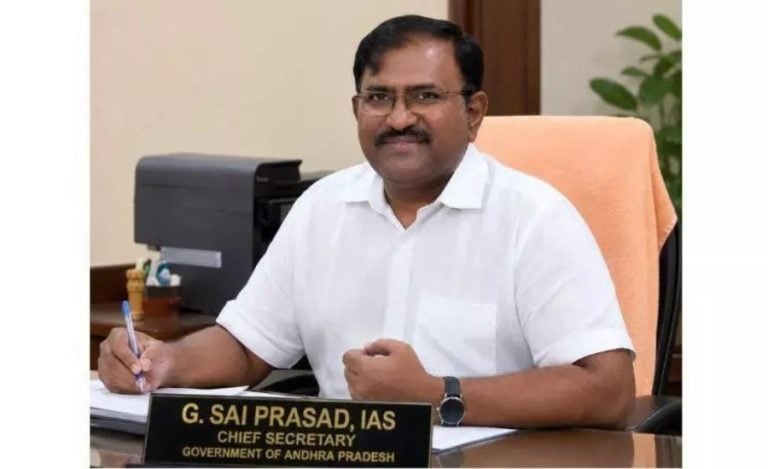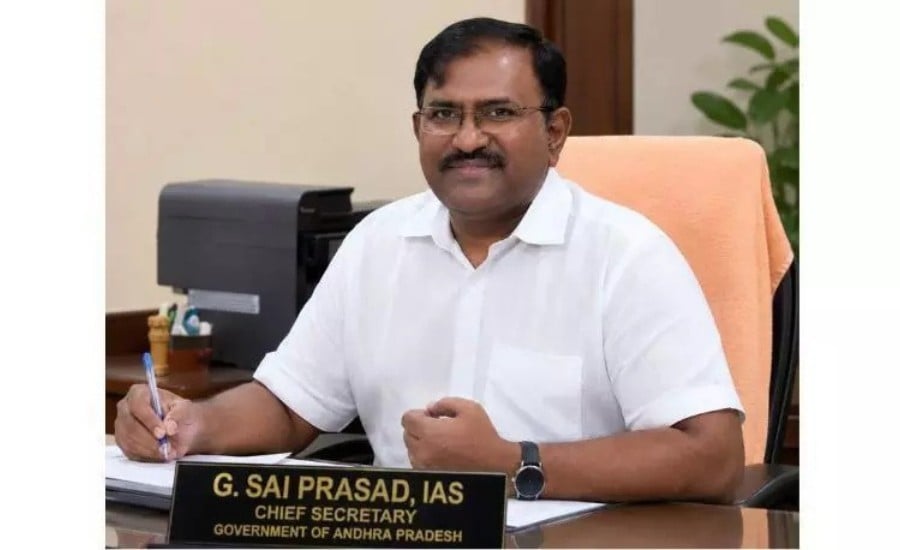
Amaravati: Andhra Pradesh Chief Secretary G. Sai Prasad, 1991-batch IAS officer of the Andhra Pradesh cadre, has directed district collectors to take strict action against people stealing or diverting drinking water for non-domestic purposes, including fish and shrimp farming, amid concerns over water scarcity and potential El Niño-related drought conditions.
At a review meeting with district collectors at the Andhra Pradesh Secretariat on October 9, Sai Prasad called for advance preparations to maintain drinking water supplies over the next six months. He instructed officials to prioritise pipeline leak prevention, repair borewells and arrange tanker supplies wherever necessary.
The directions come as the state grapples with drought conditions across 388 mandals in 21 districts. The government has also instructed officials to assess crop losses, support farmers in affected areas and prepare for possible water shortages.
Drinking Water Supply to Get Priority
Sai Prasad directed collectors to prevent the diversion of water intended for public consumption to fish and shrimp ponds. He also called for immediate arrest of those found stealing drinking water during the period of scarcity.
Read Also: Coal India Signs Exploration Licence Deed for 209 Sq Km Rare Earth Block in Andhra Pradesh
The key directions on water management include:
- Prevent water theft: Take action against people diverting drinking water for non-drinking purposes.
- Stop pipeline leakages: Prioritise the prevention and repair of leaks to reduce the loss of drinking water.
- Ensure emergency supplies: Arrange tanker-based water delivery in areas facing shortages.
- Repair borewells: Restore existing water sources wherever repairs can help maintain supply.
- Prepare for the next six months: Closely monitor drinking water requirements and take advance measures in vulnerable areas.
The Chief Secretary stressed that collectors must coordinate with the relevant departments to prevent hardships for residents in both rural and urban areas.
Drought Declared in 388 Mandals Across 21 Districts
Andhra Pradesh has declared 388 mandals drought-affected for the 2026 Kharif season. Of these, 283 have been classified as severely drought-affected and 105 as moderately drought-affected.
The state’s drought declaration followed a rainfall deficit of 53.4% between June and August 2026. Separately, Sai Prasad cited a rainfall deficit of 38.9% as of October 8 during the review meeting. These figures refer to different reporting periods.
To address the agricultural impact, the Chief Secretary directed collectors to:
- Complete crop-loss assessments by October 17.
- Encourage farmers to adopt alternative crops suited to local conditions.
- Ensure seed distribution in affected areas.
- Promote natural farming and intercropping.
- Verify satellite-based crop health alerts promptly.
- Protect horticultural crops through micro-irrigation, farm ponds and organic mulching.
These measures are intended to help officials assess crop damage and respond to agricultural needs in drought-affected areas.
Tanker Supply Plans and Urban Summer Preparations
Special Chief Secretary for Panchayat Raj and Rural Development Kantilal Dande said 514 mandals had been affected by El Niño, according to the assessment discussed at the meeting. He added that proposals had been prepared for supplying drinking water through tankers in areas facing severe shortages.
Principal Secretary for Municipal Administration S. Suresh Kumar informed the meeting that special summer action plans had been prepared for 23 urban local bodies.
The directions place responsibility on district administrations and relevant departments to identify vulnerable areas, arrange alternative water supplies and address potential shortages before conditions worsen.
Collectors Also Asked to Expedite Health Services and Land Resurvey
The review meeting also covered the rollout of Sanjeevani health services, housing construction and the land resurvey process.
For Sanjeevani health services, Sai Prasad instructed district collectors to ensure that the necessary infrastructure and facilities were ready within the prescribed timelines.
The preparations include:
- Arranging IT equipment and reliable internet connectivity.
- Setting up rooms for virtual medical consultations.
- Appointing patient-care coordinators.
- Training health workers.
- Registering health centres within the specified deadlines.
The Chief Secretary also called for accelerating housing construction and expediting land resurvey work as part of the wider review of government programmes.
The meeting focused on coordinating district-level action to maintain essential services, support drought-affected communities and ensure that government initiatives progress within their deadlines.