Patna: Bihar is making significant strides in both eco-tourism and environmental conservation, highlighting its commitment to sustainable development and climate action. From identifying 24 major eco-tourism sites to revitalizing water resources under the Jal-Jeevan-Hariyali Mission, the state is setting benchmarks for nature-based tourism and climate resilience.
24 Eco-Tourism Sites Identified, Expansion Underway
Bihar, known for its rich religious and historical heritage, also boasts numerous natural landscapes and biodiversity hotspots. The state has identified 24 eco-tourism sites, including wildlife sanctuaries, lakes, waterfalls, and parks, for development to attract tourists and nature enthusiasts.
The Forest and Environment Department is actively exploring additional sites to expand the eco-tourism circuit. Following directives from Chief Minister Nitish Kumar, the new sites will be integrated into the circuit to promote eco-friendly tourism while preserving natural ecosystems. These destinations are ideal for wildlife lovers, adventure seekers, and those looking to experience the state’s natural beauty firsthand.
Read also: Bihar Showcases 24 Eco-Tourism Sites, Plans to Expand Natural Destinations for Sustainable Travel
Highlights of Bihar’s Eco-Tourism Circuit
Some of the notable eco-tourism destinations in Bihar include:
- Valmiki Tiger Reserve (West Champaran): Bihar’s only tiger reserve, home to tigers, leopards, elephants, and diverse birds.
- Vikramshila Gangetic Dolphin Sanctuary (Bhagalpur): Asia’s only sanctuary protecting the endangered Gangetic dolphin.
- Kanwar Lake (Begusarai): Asia’s largest freshwater lake and a Ramsar site, hosting thousands of migratory birds.
- Rajgir Nature and Zoo Safari (Nalanda): Features glass bridges, ropeways, and wildlife safaris.
- Bhimbandh Wildlife Sanctuary (Munger): Famous for hot springs and wild animals like leopards, bears, and nilgai.
- Sanjay Gandhi Biological Park and Eco Park (Patna): Urban green spaces offering wildlife experiences and recreation.
The government aims to provide visitor facilities at these sites while maintaining ecological balance, promoting sustainable tourism and raising awareness about Bihar’s natural heritage.
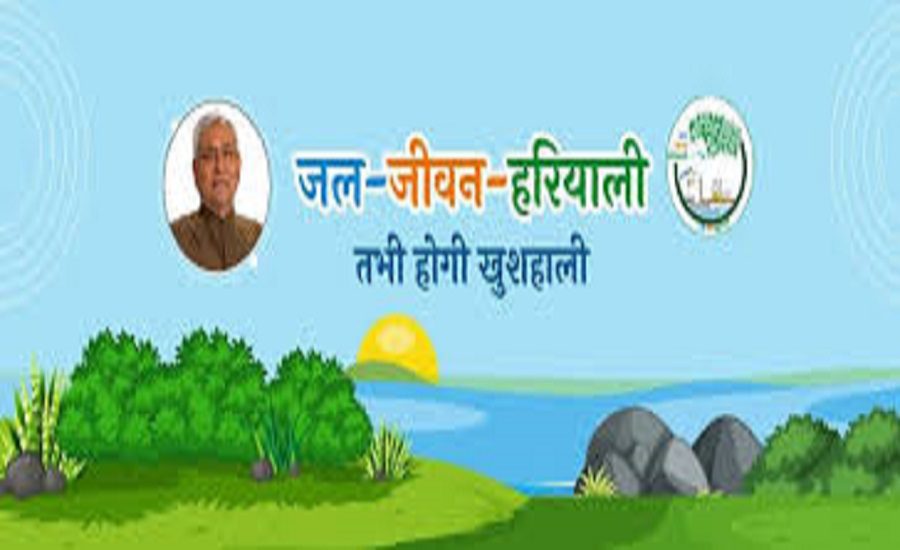
Jal-Jeevan-Hariyali Mission: Over 1.4 Lakh Water Structures Revitalized
On the occasion of Jal-Jeevan-Hariyali Day, Rural Development Minister Shravan Kumar highlighted Bihar’s remarkable progress in water conservation. Over the past six years, more than 1.4 lakh water conservation structures have been renovated, and over 73,000 new water sources have been created across the state.
The mission includes construction and restoration of check dams, ponds, wells, and water bodies, as well as rainwater harvesting systems in over 14,000 government buildings. Through the efforts of local communities, especially Jeevika sisters, and coordination with multiple state departments, 21 crore saplings have been planted, reinforcing the state’s green initiatives.
Community Participation and Climate Action
Minister Shravan Kumar urged citizens to actively participate in combating climate change. He encouraged families to plant at least one tree on birthdays, festivals, or special occasions, emphasizing the role of nature in sustaining life. He also highlighted the success of Bihar’s human chain initiative, where over 1 crore people joined hands to send a global message on climate responsibility.
The minister praised Jeevika sisters for their role in managing nurseries and contributing to the success of the mission, presenting them with certificates of appreciation. The work of Bihar in water conservation has earned national recognition, and check dams constructed in the state are now considered models for other states.
Strengthening Environmental Awareness
Pankaj Kumar, Principal Secretary of the Rural Development Department, noted that the Jal-Jeevan-Hariyali Mission aligns with Mahatma Gandhi’s vision of self-reliance and emphasizes the importance of water conservation for mitigating the nationwide water crisis. He called for systematic management of water and environmental resources through scientific methods, ensuring long-term sustainability.
Bihar’s combined focus on eco-tourism and water conservation demonstrates a holistic approach to environmental sustainability, climate resilience, and community participation, setting an example for other states to follow.