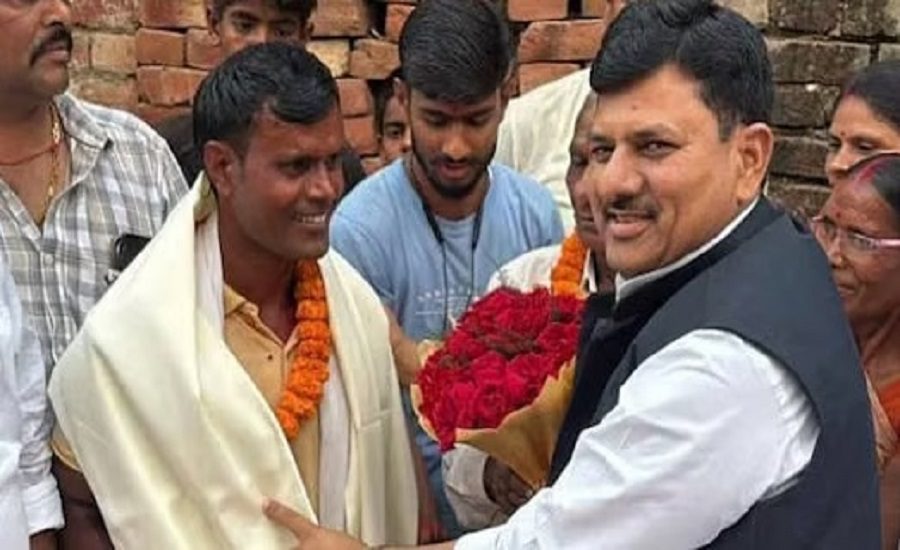
Sheikhpura/New Delhi: A shocking case of fraud has come to light in the Union Public Service Commission (UPSC) Civil Services Examination 2025, where a man from Bihar falsely claimed to have secured the 440th rank. Ranjit Kumar Yadav of Fatehpur Village in Ariyaru Block, Sheikhpura district, enjoyed widespread recognition, gifts, and accolades before his deception was uncovered. Police are now reportedly searching for him after he went missing.
This incident highlights a worrying trend of fraudulent claims surrounding UPSC results, which has caused confusion and embarrassment among local authorities and political figures.
The Fake UPSC Success Story
Ranjit Kumar Yadav allegedly spread news that he had cleared the UPSC examinations with an impressive 440th rank. His claim led to celebrations in his village, with local politicians, including former MLA Vijay Samrat, and police officials visiting his home to congratulate him. Ranjit was showered with flowers, sweets, garlands, and gifts ranging from cash to suitcases.
He even delivered motivational speeches in his village, emphasizing the importance of focus and determination, attracting admiration from locals and social media users alike.
Read also: UPSC CAPF AC 2026 Registration Ends March 12; Apply for 349 Assistant Commandant Posts
The "motivational" speech by Ranjeet Yadav from Bihar who fraudulently claimed he secured 440 rank in the UPSC 2025. pic.twitter.com/ZWdVjW3c1M https://t.co/YiyHNyXG4E
— Piyush Rai (@Benarasiyaa) March 12, 2026
The Truth Comes to Light
Upon closer investigation, it was revealed that the 440th rank in UPSC CSE 2025 actually belonged to Ranjith Kumar R, a resident of Chikballapur, Karnataka. The discrepancy came to light after officials and locals examined the official UPSC rank list.
The revelation left many embarrassed, including former MLA Vijay Samrat, who promptly deleted social media posts and photos featuring Ranjit Yadav. Police summoned Ranjit to the Mahuli police station with his Aadhaar and UPSC admit card, but he switched off his phone and absconded, reportedly fleeing to Delhi. His family is currently avoiding media interactions.
Motivations Behind the Fraud
According to local reports, Ranjit hailed from a farming family and had moved to Delhi for studies. Inspired by friends who had succeeded in government examinations, he fabricated a false success story, claiming he was on his way to becoming an IAS officer.
A video of Ranjit, shared on social media by Sheikhpura Lives and X user Piyush Rai, captures his motivational rhetoric before the fraud was exposed. In the video, he states:
“Life is a long journey, but there is only one test in it—to keep your focus on the goal. You must only look at your goal and where it is… Work so hard that one day destiny itself says: ‘Even if I was late, I always belonged to you.'”
The video has since gone viral, sparking debate on the ethics of misinformation and the consequences of fraudulent claims, especially in prestigious examinations like UPSC.
Public and Social Media Reaction
The incident has ignited a flurry of discussion on social media. Many users expressed concern over how easily false information can spread and be celebrated without verification. The incident also raises questions about local governance and the responsibility of authorities to verify such claims before public recognition.
Ranjeet Yadav from Bihar falsely claimed to have secured the 440th rank in the UPSC exam. The local SHO interviewed him, hoping to land in the good books in case Ranjeet was allotted the Bihar cadre. Now, the same SHO is actively searching for him. pic.twitter.com/uYX326OrqX
— Piyush Rai (@Benarasiyaa) March 12, 2026
Ongoing Investigation
The Sheikhpura police have reportedly begun a search for Ranjit Kumar Yadav after he absconded. Authorities are likely to investigate the circumstances surrounding the circulation of his false claims and the role of public officials in promoting unverified information.
This case adds to a series of UPSC-related frauds coming to light this year, signaling the need for more rigorous verification and awareness campaigns to prevent similar incidents in the future.