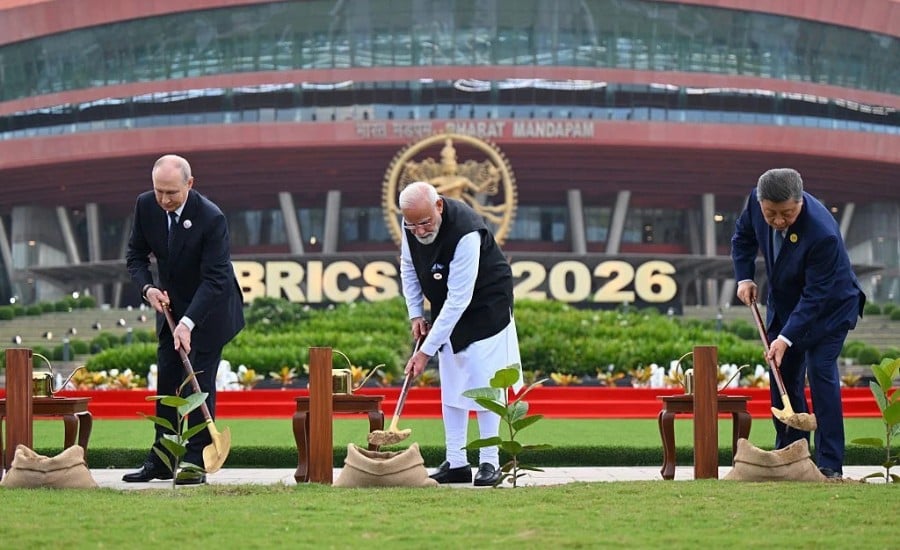
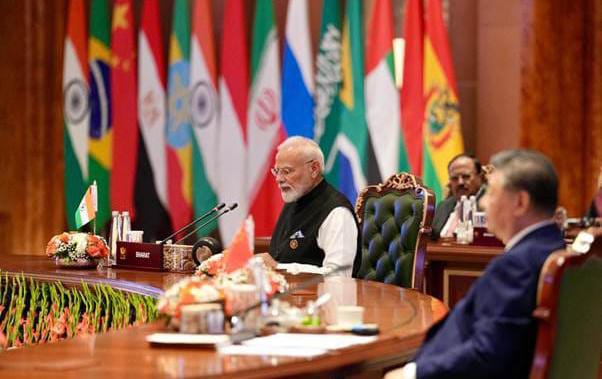
New Delhi: The 18th BRICS Summit has given a fresh push to cooperation in Traditional, Complementary and Integrative Medicine (TCIM), with the New Delhi Declaration welcoming the proposed establishment of a BRICS Expert Working Group on the subject under the BRICS Health Track.
The proposed group is expected to provide a structured platform for BRICS countries to exchange knowledge, collaborate on research and discuss regulatory and quality-related approaches in traditional medicine.
The declaration also emphasised that cooperation in traditional medicine should be guided by evidence, safety, quality and efficacy, while taking into account the national contexts of individual member countries.
BRICS Expert Working Group to Strengthen Traditional Medicine Cooperation
The proposed Expert Working Group would facilitate engagement among policymakers, researchers, experts and academic institutions from BRICS countries.
Read Also: Bihar’s Sattu and Makhana Set to Take ‘Brand Bihar’ to Global Stage at BRICS Summit
Key areas of cooperation are expected to include:
- Research and evidence generation on traditional medicine
- Knowledge exchange among BRICS member countries
- Quality assurance and regulatory approaches
- Scientific validation of traditional medicine practices and products
- Research on medicinal plants and herbal preparations
- Development of safe, effective and affordable therapeutic products
The declaration specifically called for greater cooperation in research on medicinal plants and herbal preparations used for therapeutic and preventive purposes.
It also recognised the shared traditional pharmacopoeias of BRICS countries as a potential foundation for developing quality-assured therapeutic products.
Prataprao Jadhav Highlights Evidence-Based Approach
Union Minister of State (Independent Charge), Ministry of Ayush and Minister of State for Health & Family Welfare, Prataprao Jadhav, welcomed the recognition of TCIM in the declaration.
“The recognition of Traditional, Complementary and Integrative Medicine in the New Delhi Declaration is an important step towards strengthening global cooperation in traditional medicine. The proposed BRICS Expert Working Group will provide a meaningful platform for Member States to share knowledge, strengthen research and advance evidence-based approaches. India remains committed to taking forward Ayurveda and other traditional systems of medicine through scientific research, quality assurance and international collaboration, so that their potential can contribute to safe, effective and affordable healthcare.”
Jadhav’s remarks placed emphasis on scientific research, quality assurance and international collaboration in advancing Ayurveda and other traditional systems.
Ayush Ministry Says Group Can Institutionalise Cooperation
Secretary, Ministry of Ayush, Vaidya Rajesh Kotecha, said the proposed working group could provide a focused platform for research collaboration and regulatory cooperation.
“The New Delhi Declaration marks an important step in advancing structured cooperation on Traditional, Complementary and Integrative Medicine among BRICS countries. The proposed Expert Working Group can provide a focused platform for sharing evidence, strengthening research collaboration and improving quality and regulatory approaches. India, through its Ayush ecosystem, is committed to contributing to this cooperation by promoting rigorous research and evidence-informed practices that can support safe, effective and affordable healthcare.”
Chandigarh Meeting Paved the Way
The development follows the BRICS Meeting on Traditional, Complementary and Integrative Medicine held in Chandigarh on July 21, 2026, under India’s BRICS Chairship.
The meeting brought together government officials, technical experts and delegates from BRICS countries to discuss cooperation in areas including:
- Research and education
- Knowledge exchange
- Traditional medicine systems
- Regulatory frameworks
The meeting also reached consensus on the Terms of Reference for the proposed BRICS Expert Working Group on TCIM, paving the way for more structured cooperation under the BRICS Health Track.
Focus on Research, Safety and Universal Health Coverage
The New Delhi Declaration links TCIM cooperation with the broader objective of strengthening health systems and advancing Universal Health Coverage (UHC).
It calls for evidence-informed approaches to ensure the quality, safety and efficacy of traditional medicine practices and products.
For India, the outcome provides an international platform to further promote research and evidence generation around Ayurveda and other Ayush systems while encouraging cooperation with other BRICS countries on medicinal plants, herbal preparations, pharmacopoeial standards and regulatory practices.
The development also comes amid growing international attention to the role of traditional medicine in healthcare. The WHO Global Traditional Medicine Strategy 2025–2034 places emphasis on strengthening evidence, ensuring safety and quality, and supporting the appropriate integration of traditional medicine into health systems.
With TCIM now placed within the BRICS Health Track, the proposed Expert Working Group could provide a long-term mechanism for cooperation on research, capacity building, knowledge sharing and regulatory approaches among member countries.
Read Also: Who Is Siddharth Babu? The IFS Officer Seen Beside PM Modi at BRICS Summit