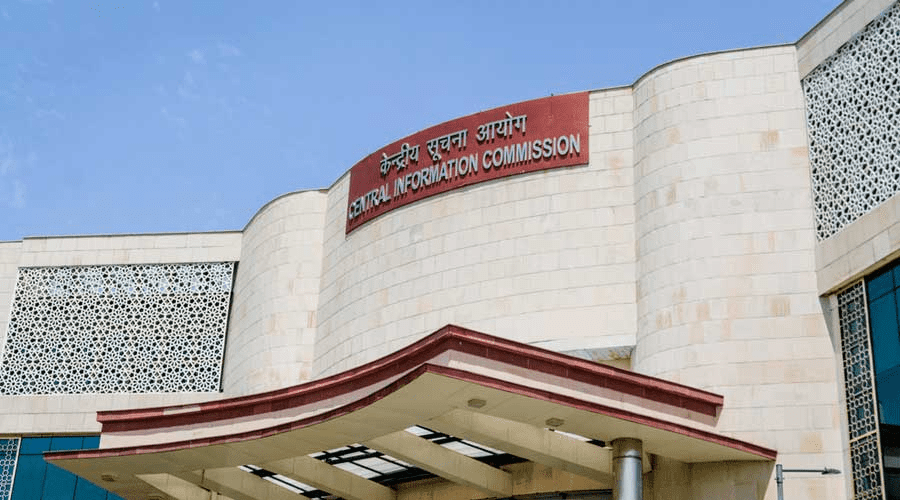
Jammu: The Jal Shakti (Public Health Engineering) Department of the Union Territory of Jammu and Kashmir has received complete vindication from the Central Information Commission (CIC), which has dismissed all 15 Right to Information (RTI) complaints filed against it by retired IAS officer Ashok Kumar Parmar. The Commission’s ruling exposes the motivated and obstructive nature of the allegations levelled against the department and firmly upholds its conduct as lawful and transparent.
CIC Finds No Malafide Intent or Withholding of Information
In its detailed order, the Central Information Commission categorically held that there was no malafide intent, no deliberate suppression of information, and no violation of the RTI Act by the Jal Shakti Department. The Commission recorded that the department acted strictly within the framework of the law while responding to the RTI applications.
Read also: Odisha Govt Promotes IPS Officers Across Ranks, Orders Effective from Jan 2026 – Full List
Information Already Available in Public Domain
The CIC noted that much of the information sought by Parmar was already available in the public domain through official government and departmental websites. The department had duly complied with its statutory obligations by providing the relevant web links and access details, thereby fulfilling the requirements of transparency under the RTI Act.
No Obligation to Create or Compile Data: CIC
Reaffirming settled legal principles, the Commission made it clear that a public authority is not required to create, compile, or fabricate information merely to satisfy the suspicions or narrative of an RTI applicant. Citing authoritative judgments of the Supreme Court, the CIC observed that the RTI Act is confined to the disclosure of existing records only.
The Commission underlined that the Act cannot be stretched to compel departments to generate new datasets, conduct forensic compilations, or divert administrative resources in a manner that hampers governance and public service delivery.
Ongoing House Committee Inquiry Noted
The CIC also took cognisance of the fact that a House Committee has already been constituted to verify the works executed under the Jal Jeevan Mission (JJM), and its report is still awaited. Despite this ongoing institutional scrutiny, Parmar appeared before the Committee and made sensational allegations of financial bungling amounting to Rs 6,000 crore in pipe procurement.
Official Records Contradict Inflated Allegations
Official records placed before the authorities clearly establish that the actual procurement under the Jal Jeevan Mission stands at approximately Rs 3,000 crore, effectively contradicting the exaggerated figures cited by Parmar. The Commission noted this discrepancy while assessing the credibility and intent behind the complaints.
RTI Cannot Be Used to Settle Personal Scores
The CIC further observed that the complaints were deeply intertwined with personal and service-related grievances of the complainant, which are already pending adjudication before appropriate judicial forums. The Commission reiterated in unequivocal terms that the RTI Act is not meant to be used as a tool for settling personal vendettas, pressurising departments, or conducting parallel trials through speculative and suspicion-driven queries.
Allegations Impacted Jal Jeevan Mission Progress
It is noteworthy that works under the Jal Jeevan Mission have remained stalled for nearly the last one year. The sustained campaign of allegations, inflated claims, and repeated complaints has directly undermined the pace of implementation of this flagship public welfare programme aimed at providing potable drinking water to households across Jammu and Kashmir.
No Case for Penalty; All Complaints Dismissed
After a comprehensive examination of all aspects of the matter, the Central Information Commission concluded that there was no case whatsoever for the imposition of any penalty. Accordingly, all 15 complaints were dismissed in their entirety, delivering a decisive blow to the false narrative sought to be built against the Jal Shakti Department and its officers.
The CIC’s ruling stands as a strong reaffirmation of lawful governance, responsible use of the RTI framework, and protection of public institutions from motivated and disruptive misuse of transparency laws.