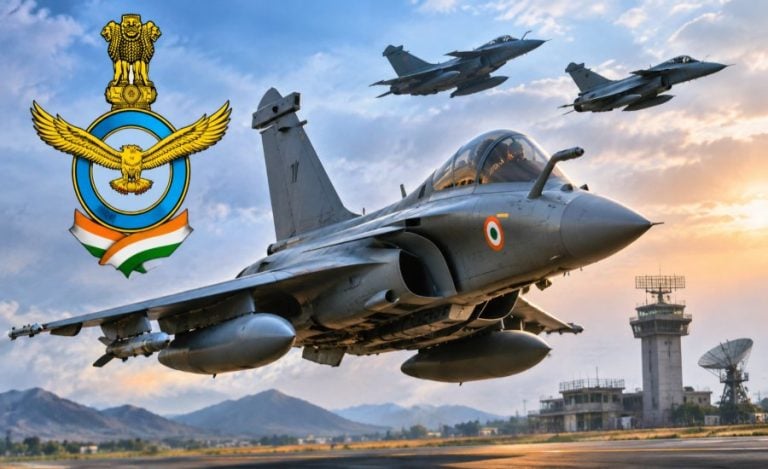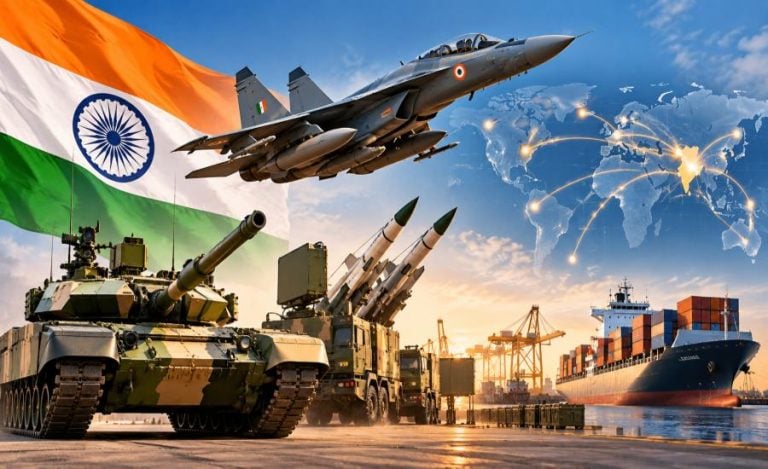
New Delhi: India’s fighter aircraft shortage and delays in the Tejas Mk-1A programme have created major challenges for the Indian Air Force (IAF). Newly appointed Air Chief Marshal Ashutosh Dixit faces the difficult task of rebuilding combat strength, speeding up domestic fighter production and modernising India’s air defence capabilities.
At the same time, the proposed 114 Multi-Role Fighter Aircraft (MRFA) deal and future indigenous projects will play an important role in strengthening India’s air power.
New Air Chief Takes Charge Amid Major IAF Challenges
Air Chief Marshal Ashutosh Dixit assumed charge as the 29th Chief of the Air Staff on October 31, 2026, succeeding Air Chief Marshal Amar Preet Singh.
His appointment comes at an important time for the Indian Air Force. The service is facing a shortage of fighter squadrons, delays in aircraft production and growing security challenges. Dixit’s immediate priority will be to improve the IAF’s combat readiness while preparing the force for future warfare.
IAF Challenges: India Faces A Serious Fighter Squadron Shortage
One of the biggest challenges facing the new Air Chief is the declining number of fighter squadrons.
The Indian Air Force currently operates around 29 fighter squadrons against its authorised strength of 42.5 squadrons. This gap has created pressure on the service to induct new aircraft quickly.
The retirement of older fighter aircraft, including MiG-21s, has further increased the need for modern replacements.
Former Air Chief Marshal A.P. Singh had earlier highlighted the need to induct around 36 to 40 fighter aircraft every year to stabilise and rebuild the IAF’s strength.
The shortage is particularly important because India must prepare for security challenges along both its western and northern borders.
Tejas Mk-1A Delays Put Pressure On India’s Indigenous Fighter Programme
The delayed delivery of the indigenous Light Combat Aircraft (LCA) Tejas Mk-1A is another major concern.
In February 2021, the Ministry of Defence signed a contract worth approximately Rs 48,000 crore with Hindustan Aeronautics Limited (HAL) for 83 Tejas Mk-1A aircraft.
The original delivery schedule expected the first aircraft in 2024. However, the programme faced delays due to problems with the supply of F404 engines from US-based GE Aerospace and aircraft integration work.
The F404 engine is an important component of the Tejas Mk-1A. Delays in receiving these engines affected HAL’s ability to complete and deliver the aircraft on time.
HAL now faces pressure to increase production and meet revised delivery targets. The successful induction of Tejas Mk-1A fighters will be important for reducing India’s dependence on older aircraft.
Tejas Mk-2 And AMCA Remain Important For Future Air Power
While immediate fighter procurement is important, India also needs to develop advanced indigenous aircraft for the future.
The Tejas Mk-2 programme is expected to provide a more capable medium-weight fighter with improved performance, range and weapons-carrying capacity.
Another major project is the Advanced Medium Combat Aircraft (AMCA). It is planned as India’s indigenous fifth-generation stealth fighter.
The AMCA programme aims to strengthen India’s long-term defence independence and reduce dependence on foreign fighter aircraft. However, these projects will require strong funding, successful testing, advanced manufacturing facilities and timely development.
IAF Challenges: Modern Warfare Requires More Than Fighter Aircraft
The future of air warfare is changing rapidly. Modern conflicts increasingly involve drones, artificial intelligence, electronic warfare, cyber operations and long-range precision weapons.
Recent military developments have highlighted the importance of combining traditional fighter aircraft with advanced technologies. The IAF will therefore need to improve its capabilities in several areas, including:
- Artificial intelligence and advanced surveillance systems.
- Electronic warfare and precision-guided weapons.
- Unmanned aerial vehicles and autonomous drones.
- Mid-air refuelling aircraft.
- Airborne Early Warning and Control Systems (AWACS).
- Modern transport aircraft and support systems.
These capabilities can help the Indian Air Force detect threats earlier, coordinate operations and respond more effectively during conflicts.
Strengthening Coordination Between The Three Armed Forces
Another important challenge is improving coordination between the Indian Army, Navy and Air Force. Future military operations may require all three services to work together using shared information, communication networks and command systems.
Dixit’s previous experience as Chief of Integrated Defence Staff could be useful in improving joint military planning. Better coordination can help the armed forces use their resources more effectively during complex operations.
IAF Challenges: Agniveer Vayu Recruitment And Manpower Transition
The new Air Chief will also have to manage changes in the IAF’s manpower structure.
The Agnipath recruitment scheme has introduced a new system in which Agniveer Vayu personnel initially serve for four years. The transition of the first batches will bring new questions about retention, training, experience and long-term manpower planning.
The IAF will need to maintain a balance between recruiting young personnel and retaining experienced professionals who are important for technical and operational duties.
Read also: From a Village in Bihar to the Captain’s Chair: Capt Ritu Kumari’s 16-Year Journey at Sea
FAQs
The Indian Air Force operates approximately 29 fighter squadrons against its authorised strength of 42.5 squadrons, creating a significant gap in its combat fleet.
Air Chief Marshal Ashutosh Dixit became the 29th Chief of the Air Staff on October 31, 2026, succeeding Air Chief Marshal Amar Preet Singh.
The 114 Multi-Role Fighter Aircraft (MRFA) proposal aims to strengthen the Indian Air Force with advanced fighter jets. The Defence Acquisition Council granted Acceptance of Necessity in February 2026, with the Rafale being widely discussed as a leading contender. The final contract has not yet been concluded