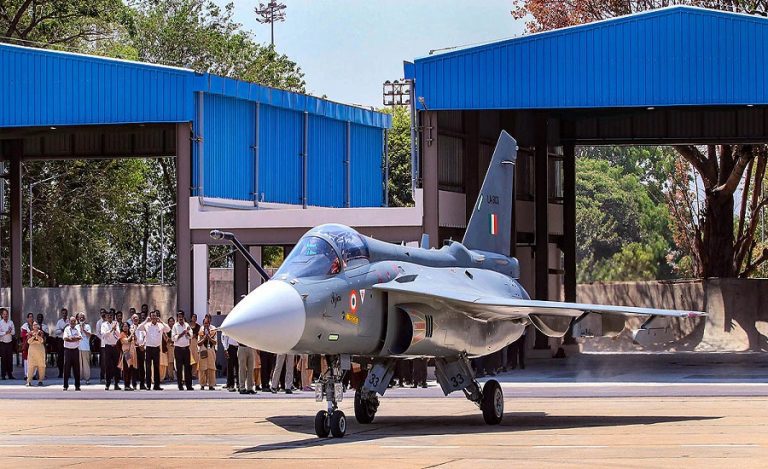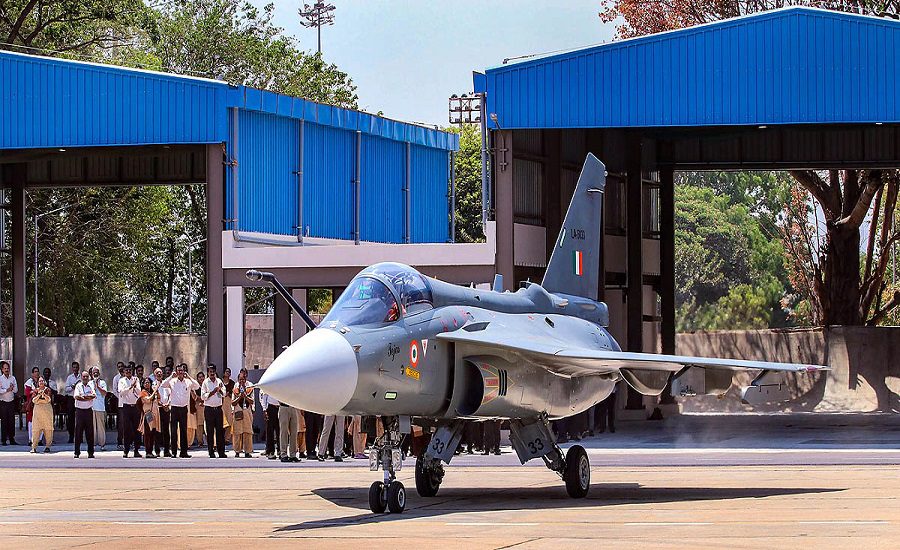
New Delhi: India’s indigenous fighter aircraft programmes are moving towards important milestones, with the Tejas Mk1A nearing completion of its certification process and the Tejas Mk2 first flight targeted for the third quarter of 2027.
Hindustan Aeronautics Limited (HAL) is working with the Indian Air Force (IAF), the Aeronautical Development Agency (ADA), and other agencies to complete the remaining technical work before the aircraft enter service.
The developments are important for India’s defence modernisation plans, as the country seeks to strengthen domestic fighter production and reduce dependence on foreign aircraft manufacturers.
Tejas Mk1A Nears The Final Stage Of Certification
The Light Combat Aircraft (LCA) Tejas Mk1A is an improved version of India’s indigenous Tejas fighter. It is designed to provide the Indian Air Force with improved radar, electronic warfare, avionics, and combat capabilities.
Read also: From Tejas Mk1A To Rafale: How India Plans To Fix Its Fighter Squadron Deficit
According to the report published by Defence.in, HAL has manufactured 29 Tejas Mk1A aircraft with the required hardware modifications. However, the aircraft still need to clear important software integration, testing, and certification requirements before deliveries can proceed.
The remaining work includes validating the active electronically scanned array (AESA) radar software, electronic warfare systems, and weapon-launcher software.
These systems are essential for detecting threats, protecting the aircraft against enemy radar and other threats, and ensuring that weapons operate correctly.
HAL is coordinating with the IAF, ADA, and quality assurance authorities to complete the necessary checks. The objective is to ensure that the aircraft meet the required safety and operational standards before entering service.
Why Tejas Mk1A Certification Is Important
The Tejas Mk1A programme is a major part of India’s plan to strengthen its domestic defence manufacturing industry.
The aircraft is equipped with advanced systems, including an AESA radar, an electronic warfare suite, digital displays, and improved mission computers. These upgrades are intended to improve the pilot’s ability to detect, track, and respond to threats.
The Indian government has also expanded the procurement programme. In September 2025, the Ministry of Defence signed a contract worth more than ₹62,370 crore with HAL for 97 additional LCA Mk1A aircraft, including 68 fighters and 29 twin-seat trainers.
According to the Ministry of Defence, deliveries under this additional contract are scheduled to begin in the 2027–28 financial year and continue over six years. The programme is expected to strengthen India’s aerospace supply chain and create employment across the domestic industry.
Tejas Mk2 To Bring Greater Combat Capability
Beyond the Tejas Mk1A, HAL is working on the next-generation Tejas Mk2, a more powerful and capable multirole fighter.
The aircraft is being developed to perform air-to-air combat and precision ground-attack missions. It is also expected to help replace older aircraft in the Indian Air Force’s fleet over time.
The Tejas Mk2 is planned to use the more powerful GE F414 engine. Its proposed capabilities include advanced electronic warfare equipment, an infrared search and track system, and improved networking features. These systems are intended to improve the aircraft’s ability to operate in complex combat environments.
The Tejas Mk2 programme is being developed under the Aeronautical Development Agency, with HAL serving as the principal manufacturing partner.
Tejas Mk2 First Flight Targeted For Q3 2027
According to the Defence.in report, HAL is targeting the first engine ground runs of the Tejas Mk2 prototype by March 2027. If development and testing progress according to the planned schedule, the aircraft could make its maiden flight in the third quarter of 2027, covering July to September.
Engine ground runs are an important step before an aircraft’s first flight. They allow engineers to check engine performance and related systems while the aircraft remains on the ground.
The first flight will be another major milestone for India’s indigenous fighter development programme. However, the target remains a planned timeline, and the aircraft will still need further flight testing and development before operational induction.
AMCA Programme Remains A Long-Term Priority
India is also pursuing the Advanced Medium Combat Aircraft (AMCA), a planned fifth-generation stealth fighter programme.
The AMCA is intended to provide advanced capabilities, including low observability, which helps reduce an aircraft’s visibility to enemy detection systems.
The programme remains under the direction of the Aeronautical Development Agency. Progress in programmes such as Tejas Mk1A and Tejas Mk2 can also help India’s aerospace industry build experience in aircraft design, manufacturing, systems integration, and testing. However, the AMCA is a separate programme, and the progress of the Tejas aircraft does not automatically determine its development schedule.
HAL Expands Its Civil Aviation Business
HAL is also seeking to expand beyond military aircraft production by entering new areas of civil aviation manufacturing and maintenance.
One major proposal involves the possible licensed production of Russia’s SJ-100 regional passenger aircraft in India.
HAL and Russia’s United Aircraft Corporation signed a memorandum of understanding in October 2025. The two companies have been exploring technical and commercial aspects of the proposed partnership. If the project moves forward, domestic production could support India’s regional aviation market. However, a manufacturing facility and production programme would require the necessary agreements, approvals, and industrial preparations.
HAL is also developing and manufacturing indigenous civil aviation platforms, including the Dhruv Next Generation helicopter, the Civil Light Utility Helicopter, and the Hindustan-228 commuter aircraft.
The company is investing in maintenance, repair, and overhaul (MRO) capabilities as well. These services can help airlines and aircraft operators maintain their fleets while supporting the growth of India’s aerospace services industry.
Read also: Why HAL Has 27 Tejas Mk1A Fighters Ready But Only 10 Will Be Delivered First By March 2027
FAQs
Tejas Mk1A deliveries depend on completing the required testing, software integration, and certification. The Ministry of Defence has separately scheduled deliveries under its September 2025 contract for 97 aircraft to begin in the 2027–28 financial year.
Tejas Mk1A is an upgraded version of India’s existing indigenous light combat aircraft, featuring an AESA radar and an advanced electronic warfare suite. Tejas Mk2 is a larger, more powerful multirole fighter planned to use the GE F414 engine and provide enhanced combat capabilities.
The first flight of the Tejas Mk2 is targeted for the third quarter of 2027, according to the Defence.in report. HAL is reportedly targeting engine ground runs by March 2027. These are planned milestones, not confirmed completion dates.