New Delhi: India’s defence modernization has taken a major step forward as Virupaksha AESA radar development progresses under the Super Sukhoi upgrade program.
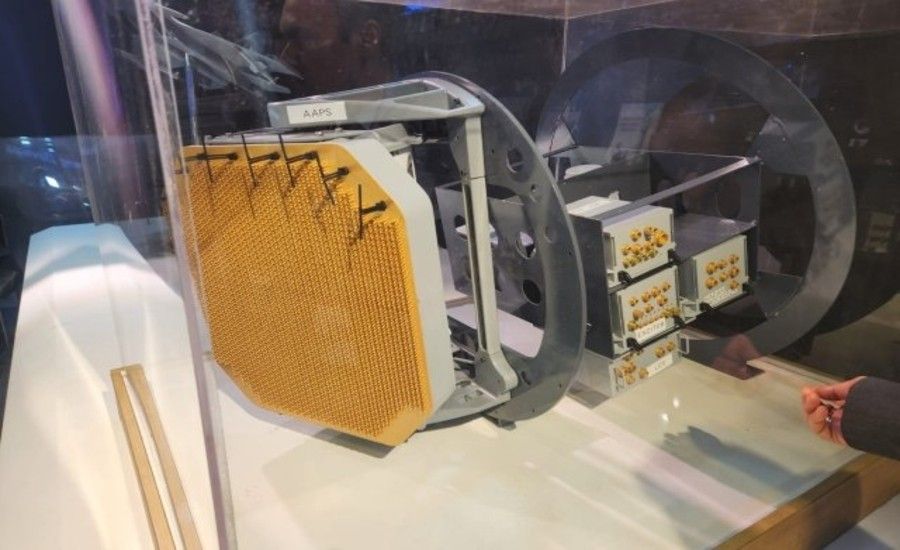
The Virupaksha AESA radar, developed by DRDO, will significantly enhance the combat power of the Indian Air Force’s Su-30MKI fleet. Built using advanced Gallium Nitride (GaN) technology, this next-generation radar promises longer detection range, better tracking capability, and improved electronic warfare performance.
The start of prototype fabrication marks a crucial phase in India’s push toward self-reliance in defence technology.
What is the Virupaksha AESA Radar
The Virupaksha radar is an advanced Active Electronically Scanned Array (AESA) radar designed specifically for upgrading the Su-30MKI fighter jets.
Read also: All You Need to Know About India’s 800 km BrahMos-A Missile Trials and Induction Plan
- Developed by DRDO’s LRDE lab
- Indigenous replacement for Russian Bars radar
- Built using Gallium Nitride (GaN) technology
- Designed for multi-role combat operations
This radar will serve as the “eyes” of the upgraded Super Sukhoi aircraft, enabling superior battlefield awareness.
What Is Prototype Fabrication
The commencement of prototype fabrication means the project has moved beyond design into hardware development stage.
This phase includes:
- Manufacturing radar modules
- Integration of transmit-receive elements
- Testing for performance and reliability
It is a critical milestone before full-scale production and flight testing.
What is the Importance of GaN Technology
The Virupaksha radar uses Gallium Nitride (GaN) instead of older Gallium Arsenide systems.
Key advantages:
- Higher power output
- Better heat resistance
- Smaller and more efficient design
- Longer detection range
GaN allows the radar to operate at higher efficiency, making it far more powerful than earlier systems.
What are the Features of Virupaksha AESA Radar
The radar is expected to be among the most advanced in its class.
Major capabilities:
- Over 2,400 transmit/receive modules (TRMs)
- Detection range of 300–400 km for fighter targets
- Ability to track multiple targets simultaneously
- Improved resistance to jamming and electronic attacks
- Support for long-range missiles like Astra Mk-III
This will drastically improve air combat effectiveness and situational awareness.
Role of Virupaksha AESA Radar in Super Sukhoi Upgrade Program
The Super Sukhoi program aims to modernize India’s Su-30MKI fleet.
Key upgrades include:
- AESA radar (Virupaksha)
- Advanced avionics
- Electronic warfare systems
- Integration of indigenous weapons
The upgrade will:
- Increase aircraft life by 30 years
- Enhance detection range by 1.5–1.7 times
- Enable long-range precision strikes
Major Impact
The project reflects India’s push for Atmanirbhar Bharat (self-reliance) in defence.
- Indigenous radar replacing foreign systems
- Participation of Indian private companies
- Reduced dependence on imports
- Strengthening domestic defence ecosystem
DRDO has also partnered with multiple Indian firms under a production model to speed up development.
Strategic Importance for Indian Air Force
With rising regional threats, the Virupaksha radar will give India a major edge.
Strategic benefits:
- Better detection of stealth aircraft
- Improved long-range engagement capability
- Enhanced electronic warfare survivability
- Network-centric warfare support
The upgraded Su-30MKI could operate closer to near fifth-generation fighter capability.
Read also: DRDO MIGM Naval Mine: Why It Is a Nightmare for Enemy Submarines and Stealth Warships