New Delhi: The Delhi High Court on December 17, 2025, strongly signalled that BJP national spokesperson Sanju Verma cannot publicly cast derogatory aspersions on the professional reputation of retired Indian Police Service (IPS) officer Yashovardhan Jha Azad, urging her to withdraw her comment that he was a “Blot on the uniform”.
The direction came during the hearing of a defamation suit filed by Azad in response to a series of controversial remarks and social media posts by Verma.
Justice Amit Bansal emphasized that while robust public discourse and criticism of viewpoints are permissible, statements that impugn a person’s service career and honour as a former officer cross the threshold of acceptable speech under Indian law.
Background of Yashovardhan Jha Azad Defamation Suit
The legal dispute traces back to mid-2025 when Sanju Verma participated in a television discussion on India Today concerning a high-profile rape case in Kolkata. During that debate, Verma questioned Azad’s comments on the incident, asking why he had not named West Bengal Chief Minister Mamata Banerjee and alluding that familial political connections influenced his perspectives.
Following the broadcast of the debate, Verma shared clips on Twitter (now X), which led to a heated exchange between the two. In one of her replies to Azad’s posts, she stated:
> “Absolutely…what a blot this man must have been in the uniform.”
Who is Yashovardhan Jha Azad
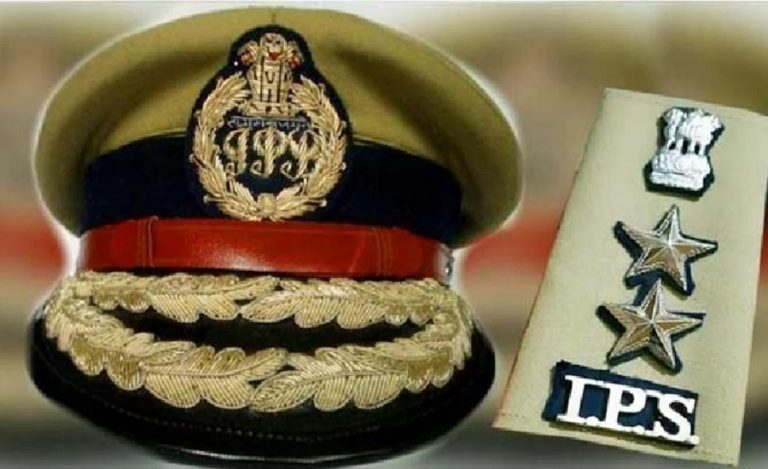
Yashovardhan Jha Azad is a retired Indian Police Service (IPS) officer known for his long service in intelligence and internal security roles.
He served as a Special Director in the Intelligence Bureau and later as a Central Information Commissioner, contributing to transparency and governance under the RTI framework. Azad has been associated with counter-terrorism and internal security operations during his career.
After retirement, he has remained active in public discourse, often sharing views on constitutional values, policing, and civil liberties. He is also known for participating in television debates and policy discussions on national issues.
Court’s Position: Freedom of Speech vs. Protection of Reputation
During Wednesday’s proceedings, Justice Amit Bansal clarified the legal limits of public comment on an individual’s professional record.
The Court observed that:
Verma is free to criticise Azad’s views or opinions expressed during public debates. However, reducing his professional record to a “blot” with no substantiating factual basis was impermissible and could amount to defamation.
The Judge explained that aspersions cast on someone’s career and public life — especially in the context of their conduct as a uniformed officer — are beyond the protections ordinarily afforded to fair comment in a democratic society.
“You cannot put an aspect on somebody’s career and public life. There is no basis to say that…” the Court remarked, urging Verma to be advised to remove the offending portion of her social media content.
The Court also noted that while remarks made in the heat of public debate might be understandable, insulting or defamatory statements aimed at tarnishing the honour of a public servant’s career are legally untenable without evidence.
Yashovardhan Jha Azad Defamation Suit: Judicial Direction and Timeline
After hearing brief submissions from both parties, the High Court ordered that:
- Sanju Verma should be urged to remove the “blot on uniform” remark from her social media accounts.
- The Court issued notice to Verma on Azad’s defamation application.
- The matter has been listed for further hearing on January 27, 2026 to consider interim relief and additional submissions from both sides.
- Justice Bansal stressed that at this stage the observations are preliminary and limited to the question of interim protection, with no final opinion on the merits yet expressed.
Legal Context: Defamation and Public Discourse in India
India’s legal framework recognises freedom of speech as a fundamental right under Article 19(1)(a) of the Constitution, but this right is subject to “reasonable restrictions” under Article 19(2), including protection of reputation and public order.
Statements that harm a person’s reputation without factual basis may attract liability under civil defamation law.
The case thus highlights the balance between free expression in democratic debate and the protection of individual dignity and reputation, particularly when it involves comments about a public figure’s official career.
Read also: Who Is IPS Sadanand Date? 26/11 Hero Soon to Lead Maharashtra Police as New DGP | All About Him