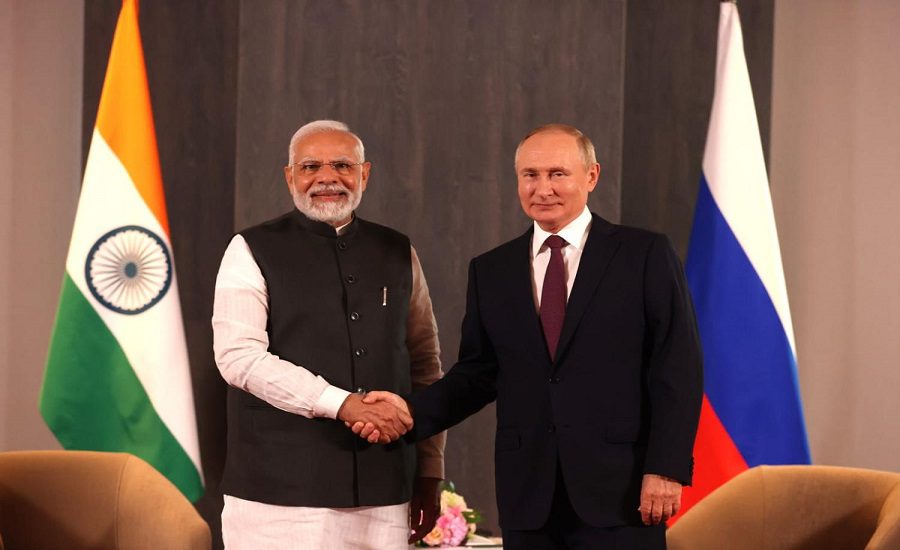
New Delhi: In a landmark development, the governments of India and Russia have announced sweeping new measures to deepen bilateral cooperation — including offering free 30-day e-tourist visas to Russian citizens. The announcement came during the ongoing state visit of Vladimir Putin to New Delhi for the 23rd India-Russia Summit, where leaders from both nations signed multiple agreements spanning migration, healthcare, food safety, maritime cooperation and more.
The move reflects growing ambitions on both sides to transform their decades-old strategic partnership into a broader, multi-dimensional alliance — beyond defence and energy, into people-to-people ties, public health, trade, and soft diplomacy.
Background of India–Russia Summit 2025
The 2025 visit of Putin to India marks a significant milestone. It coincides with the completion of 25 years of a deeper strategic engagement between India and Russia, and is being held as the 23rd annual bilateral summit of the two nations.
In recent years, turbulent global geopolitics — including the war in Ukraine, sanctions on Russia, and shifting alignments — have pushed both Moscow and New Delhi to re-evaluate and reinforce their ties. Amid growing global pressure and economic realignments, both countries see value in fortifying cooperation not just in traditional sectors like defence and energy, but also in humanitarian, economic and social domains.
Against this backdrop, the current summit is no routine diplomatic ritual — it is being positioned as a foundational reset, aimed at expanding and modernizing the scope of India–Russia partnership for the next decade.
India-Russia Summit 2025: Key Announcements and Agreements
Free 30-Day E-Tourist Visa for Russian Citizens
Perhaps the most publicly visible and immediately impactful decision: India has agreed to offer Russian citizens a free 30-day e-tourist visa. The announcement was made on behalf of Prime Minister Narendra Modi during his meeting with Putin.
In addition to single e-tourist visas, a free 30-day group tourist visa facility will also be made available — a move that could significantly lower costs and bureaucratic hurdles for Russian tourists seeking to visit India, whether individually or in groups.
This step is widely expected to boost tourism inflow from Russia, facilitate cultural and people-to-people exchange, and deepen bonding beyond diplomatic and strategic levels.
Labour Mobility Agreement: Opening Doors for Indian Workers in Russia
One of the most important but less publicised outcomes of the summit is the agreement on labour mobility between India and Russia. The two countries have drafted a labour-mobility pact which, once ratified, will facilitate legal, safe and regulated movement of Indian workers to Russia.
According to reports, under this deal:
- Visa procedures for Indian workers will be simplified; obtaining work visas will become faster and more accessible.
- Indian educational qualifications — including technical diplomas and engineering credentials — may be recognized in Russia, improving employability.
- Indian workers in Russia could gain access to social security, health benefits and other worker protections, ensuring their stay abroad is secure and regulated.
- For India — with one of the youngest populations globally and large numbers of job-seekers — such labour mobility could offer expanded employment opportunities. For Russia — then facing labour shortages exacerbated by international sanctions and outflows — Indian manpower could help meet demand across sectors.
This agreement is positioned not as emigration for permanent settlement, but as regulated labour migration or employment — ensuring structured, mutually beneficial cooperation without complex immigration complications.
India-Russia Summit 2025: Strategic Cooperation in Healthcare, Food Safety & Maritime Sectors
Beyond visas and labour, both nations have signed or are expected to sign multiple Memorandums of Understanding (MoUs) in sectors including health, agriculture/food safety, and maritime cooperation.
According to pre-summit briefings, the new health-medical sector agreements aim to expand collaboration in pharmaceuticals, public health research, medical supplies and possibly joint manufacturing or supply chains — a notable expansion given global supply chain disruptions and the ongoing focus worldwide on health security.
In agriculture and food safety, the agreements are expected to ease imports and exports, ensure higher sanitary standards, and facilitate cooperative frameworks for food security — potentially beneficial to Indian farmers, Russian consumers, and bilateral trade flows.
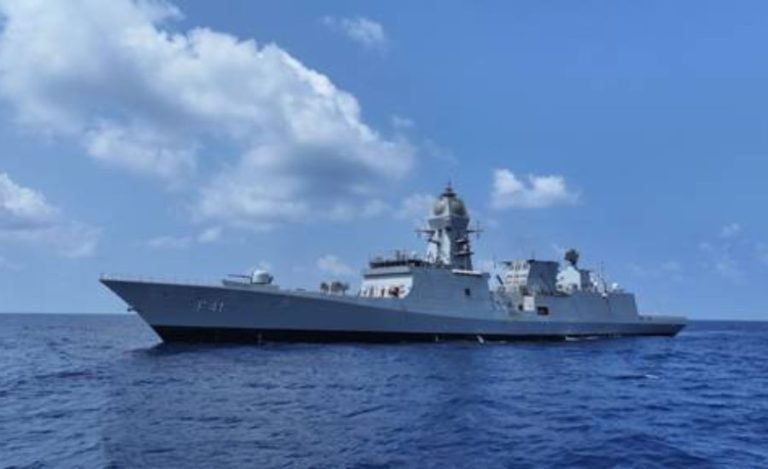
Moreover, maritime cooperation has been identified as a key area of future engagement: in shipping, logistics, trade routes and possibly port-level coordination. Such collaboration could help both countries deepen trade ties, diversify supply chains and reduce dependency on Western-dominated trade routes.
Key Implications & Significance of India-Russia Summit 2025
- The free e-tourist visa and group-visa scheme marks a clear strategy shift: India and Russia now aim to encourage mass tourism, cultural exchange, and soft diplomacy. For Russian citizens, simpler access to India’s diverse cultural, spiritual, and natural heritage can foster goodwill and deeper understanding — beyond the usual corridors of power. At the same time, increased people-to-people contact could lead to long-term ties: academic exchanges, business trips, cultural collaborations — broadening the bilateral relationship beyond state-level agreements.
- For India, the labour mobility agreement opens a new horizon of overseas employment and remittance — something that could help alleviate domestic employment pressures while channeling foreign currency inflows. For Russia, it means access to a young, skilled workforce that can fill labour gaps across industries.
- The health, agriculture, and maritime cooperation — via MoUs — could result in tangible economic activity: joint pharmaceutical manufacturing or exports, food supply agreements, expanded trade via maritime routes, increased bilateral commerce.
- In the larger geopolitical context, this deepened cooperation comes at a time of shifting global alliances, economic sanction regimes, and supply-chain realignments. For India, strengthening ties with Russia offers strategic diversity — reducing over-dependence on Western trade networks or defence suppliers. For Russia, maintaining close ties with India underlines its intent to keep multiple global partnerships alive despite political isolation.
- This rapprochement may also be observed keenly by other global powers, given the potential implications for global trade dynamics, energy flows, and geopolitical alignments.
Key Challenges and Open Questions
Despite the many positive developments, several challenges and open questions remain:
- Implementation details: While agreements have been signed or drafted, effective ground-level implementation — e.g. recognition of Indian skills in Russia, visa-processing infrastructure, social security for migrant workers — will require sustained bureaucratic coordination.
- Regulatory harmonization: Standards in health, food safety, labour laws differ significantly; aligning them without compromising quality will be tricky.
- Political and global pressure: Given this deepening of India–Russia ties at a time of global tension (e.g. sanctions on Russia, pressure from Western powers), India may face diplomatic or economic pushback from other global players.
- Domestic sensitivities: Migrant labour outflow and ensuring protection of Indian workers abroad will need careful safeguarding against exploitation.
What Comes Next — Looking Ahead
Over the coming months, both nations are expected to operationalize the agreements:
- Launch of a portal or system for Russian tourists to apply for free e-visas.
- Labour-mobility channels — recruitment drives, bilateral job-matching platforms, skill-recognition frameworks.
- Joint committees or working groups on healthcare cooperation, food safety standards, maritime trade logistics.
- Revival or expansion of cultural and educational exchanges, tourism campaigns to promote bilateral travel.
If successfully implemented, the 2025 India–Russia Summit could mark the beginning of a new era — one where bilateral relations are not just strategic or transactional, but holistic, cooperative, and people-centric.
Read also: From Polar Ice to Indian Shipyards: Russia Proposes Arctic-Class Vessel Collaboration With India