New Delhi: The India–GCC Free Trade Agreement (FTA) has taken an important step forward after India and the Gulf Cooperation Council (GCC) signed a joint statement to advance negotiations on the proposed trade pact. The announcement highlights the strong economic partnership between India and the Gulf region and signals renewed commitment to deepen trade ties.
The India–GCC Free Trade Agreement is expected to significantly expand bilateral trade, attract investments, and strengthen cooperation across sectors such as energy, infrastructure, technology, and services.
Officials from both sides said the agreement has the potential to unlock vast economic opportunities and further solidify India’s strategic partnership with the Gulf region.
Details of India–GCC Free Trade Agreement
India and the Gulf Cooperation Council (GCC) have reaffirmed their commitment to moving forward with negotiations on the long-awaited Free Trade Agreement (FTA).
Read also: What Is the India–EU Free Trade Deal? Key Benefits, Sectors Covered and Strategic Impact Explained
The joint statement was signed in the presence of senior officials and representatives from both sides, marking another milestone in strengthening economic cooperation between India and the Gulf region.
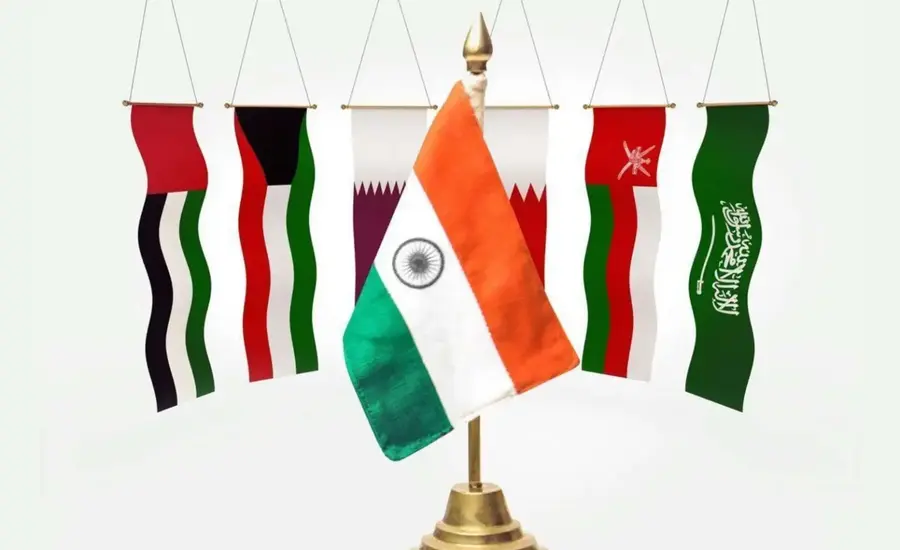
The GCC includes six countries:
- Saudi Arabia
- United Arab Emirates
- Qatar
- Kuwait
- Oman
- Bahrain
These countries collectively represent one of India’s most important economic and strategic regions.
The announcement was shared by India’s Ministry of Commerce and Industry, indicating that discussions are progressing toward a comprehensive trade agreement.
Importance of India–GCC Free Trade Agreement
The proposed India–GCC Free Trade Agreement is considered one of the most significant trade deals under discussion for India.
If finalized, the agreement could:
- Reduce or eliminate tariffs on many goods
- Improve market access for businesses
- Encourage investments and joint ventures
- Strengthen supply chains between India and the Gulf region
The GCC region is already a major trading partner for India, particularly in sectors like energy, petrochemicals, construction materials, food products, and services.
Experts believe the FTA could further expand this partnership and boost economic growth for both sides.
Impact of the Agreement
India and the Gulf region share longstanding trade, cultural, and people-to-people ties.
Some key aspects of the relationship include:
- The Gulf region is one of India’s largest sources of crude oil and natural gas.
- Millions of Indian expatriates live and work in GCC countries, contributing significantly to remittances to India.
- Bilateral trade between India and GCC countries already exceeds hundreds of billions of dollars annually.
Because of these deep connections, both sides see the FTA as a natural next step to strengthen economic cooperation.
What are the Benefits of India–GCC Free Trade Agreement
The India–GCC FTA could bring several advantages for India’s economy.
1. Boost to Exports
Indian exports such as:
- textiles
- pharmaceuticals
- food products
- engineering goods
- jewellery
could gain easier access to GCC markets.
2. Greater Energy Cooperation
The Gulf region is vital for India’s energy security, and the agreement could strengthen partnerships in oil, gas, and renewable energy.
3. Investment Opportunities
GCC sovereign wealth funds and investors are already active in India. The FTA could encourage more investments in infrastructure, startups, and technology sectors.
Opportunities for GCC Countries
The agreement also offers benefits for Gulf nations.
GCC countries could gain:
- better access to India’s massive consumer market
- opportunities in infrastructure and digital economy
- collaboration in food security and logistics
With India becoming one of the fastest-growing major economies, Gulf investors see strong potential for long-term partnerships.
Strategic Importance of the Agreement
Beyond trade, the India–GCC Free Trade Agreement carries strategic importance.
The Gulf region is central to:
- global energy supply
- maritime trade routes
- regional economic connectivity
Strengthening economic relations with GCC countries aligns with India’s broader foreign policy and economic diplomacy goals.
The agreement would also support India’s efforts to expand trade partnerships with key global regions.
What Happens Next
Negotiations between India and GCC countries are expected to continue in the coming months.
Officials will focus on:
- tariff reductions
- investment rules
- services sector access
- digital trade
- customs cooperation
Once finalized, the agreement could become one of the largest trade deals involving India and the Middle East.
Read also: Big Breakthrough in India-Canada Ties: Full List of MoUs, Trade Targets and Strategic Announcements