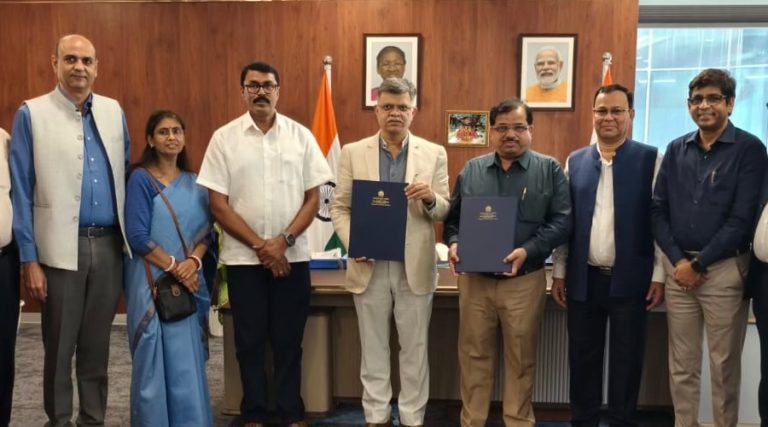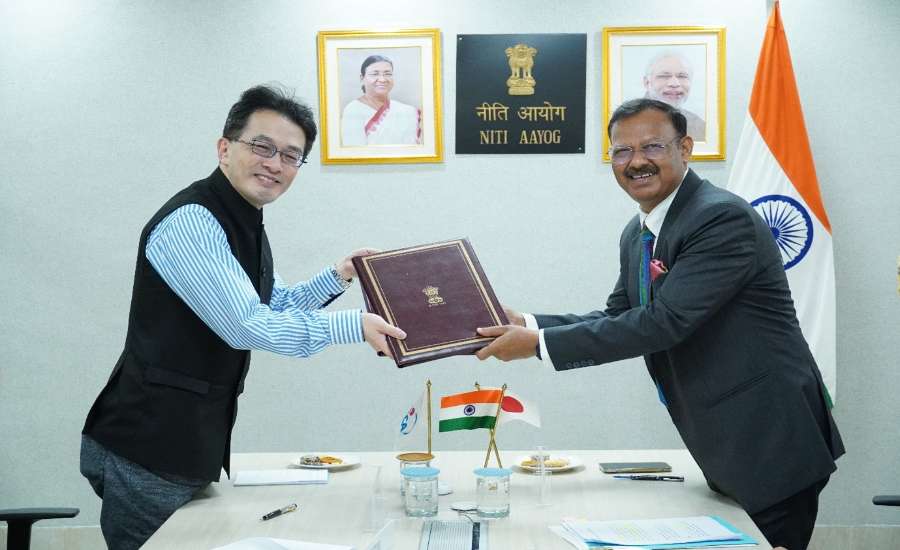
New Delhi: India-Japan Cooperative SDG Actions received a significant boost on 2 March 2026, when NITI Aayog signed a Record of Discussions (RoD) with the Japan International Cooperation Agency (JICA) to initiate Phase II of the Project for Promotion of the Programme for Japan-India Cooperative Actions Towards Sustainable Development Goals in Aspirational Districts and Blocks.
This partnership aims to strengthen collaboration between India and Japan to drive sustainable development outcomes at the grassroots level.
India’s Aspirational Districts Programme (ADP) and Aspirational Blocks Programme (ABP) are flagship initiatives to uplift underserved regions with outcomes in health, education, water, financial inclusion, and infrastructure. This Phase II agreement further deepens cooperation to localise Sustainable Development Goals (SDGs) by expanding systems for implementation, knowledge exchange, governance, and capacity building.
Background of India-Japan Cooperative SDG Actions
The RoD signing ceremony was attended by Shri Rohit Kumar, Additional Secretary and Mission Director of the Aspirational Districts and Blocks Programme, and Takeuchi Takuro, Chief Representative of JICA India. The agreement reinforces strong bilateral ties between the two countries in advancing sustainable development, bringing together institutional strengths, shared expertise, and on-ground experience.
Read also: Inside NITI Aayog’s Plan to Build Andhra Pradesh into One of India’s Top 3 Renewable Energy States
Mr. Takeuchi highlighted India’s effective district and block-level monitoring systems and described the partnership as a “mutually beneficial cooperative initiative” that will further strengthen the India–Japan relationship in development cooperation.
India-Japan Cooperative SDG Actions: Focus Areas
Phase II of the project targets improvement and capacity building across six core areas that are crucial for achieving
SDGs at the district and block level:
- Global Partnership
- Health & Nutrition
- Education
- Agriculture & Water Resources
- Financial Inclusion & Skill Development
- Basic Infrastructure
The initiative will focus on strengthening policy frameworks, improving implementation systems, enhancing monitoring and evaluation mechanisms, and promoting effective localisation of SDG actions tailored to local needs across Aspirational Districts and Blocks.
India-Japan Cooperative SDG Actions: Key Activities Under the Project
To achieve these goals, Phase II will support:
- People-to-people and capacity-building exchanges between India and Japan
- Japan–India SDG knowledge forums to disseminate best practices
- Identification and sharing of successful development models
- Targeted technical and advisory support to ensure results on the ground
These activities are designed to enhance district and block governance capacities, promote evidence-based planning, strengthen local institutions, and accelerate inclusive development in underserved regions.
Importance of India-Japan Cooperative SDG Actions
The Phase II agreement also emphasises improved monitoring and evaluation of development outcomes, enabling districts and blocks to track progress more effectively toward SDGs by 2030. By harnessing data, local governance systems can make informed decisions that ensure development reaches those most in need.
This strategic collaboration marks a continued commitment by both countries to work together toward a sustainable and inclusive future, blending Japan’s technical expertise with India’s grassroots implementation capabilities.
Read also: India-Japan Green Partnership: PFC Signs JPY 60 Billion Loan with JBIC for Assam Bio-Ethanol Plant