New Delhi: The Saksham Anganwadi and Poshan 2.0 scheme is strengthening India’s early childhood care system by upgrading thousands of Anganwadi centres.
According to the reports, the Government of India has upgraded 1,03,940 Anganwadi Centres (AWCs) into Saksham Anganwadi Centres so far.
These upgrades aim to improve nutrition services, early childhood care, and education (ECCE) for millions of children across the country. The initiative is part of the government’s broader effort to enhance child development, health, and learning outcomes during the early years.
The information was shared by Union Minister for Women and Child Development Smriti Irani in the Lok Sabha in response to a question.
What Is Saksham Anganwadi and Poshan 2.0?
Saksham Anganwadi and Poshan 2.0 is a major government scheme focused on improving nutrition and early learning among children, pregnant women, and lactating mothers.
Read also: NITI Aayog Launches Vision to Transform India into a Global Higher Education Hub by 2047
The programme upgrades traditional Anganwadi centres into modern, well-equipped learning and nutrition hubs. These centres support children during their most important developmental years.
The scheme focuses on:
- Improving nutrition delivery systems
- Strengthening early childhood education
- Enhancing health monitoring
- Supporting community participation
Details of Saksham Anganwadi and Poshan 2.0 scheme
The upgraded Saksham Anganwadi Centres include several modern facilities designed to support better learning and care.
Some important improvements include:
- LED screens and audio-visual learning tools
- Wi-Fi or internet connectivity wherever feasible
- Safe drinking water systems
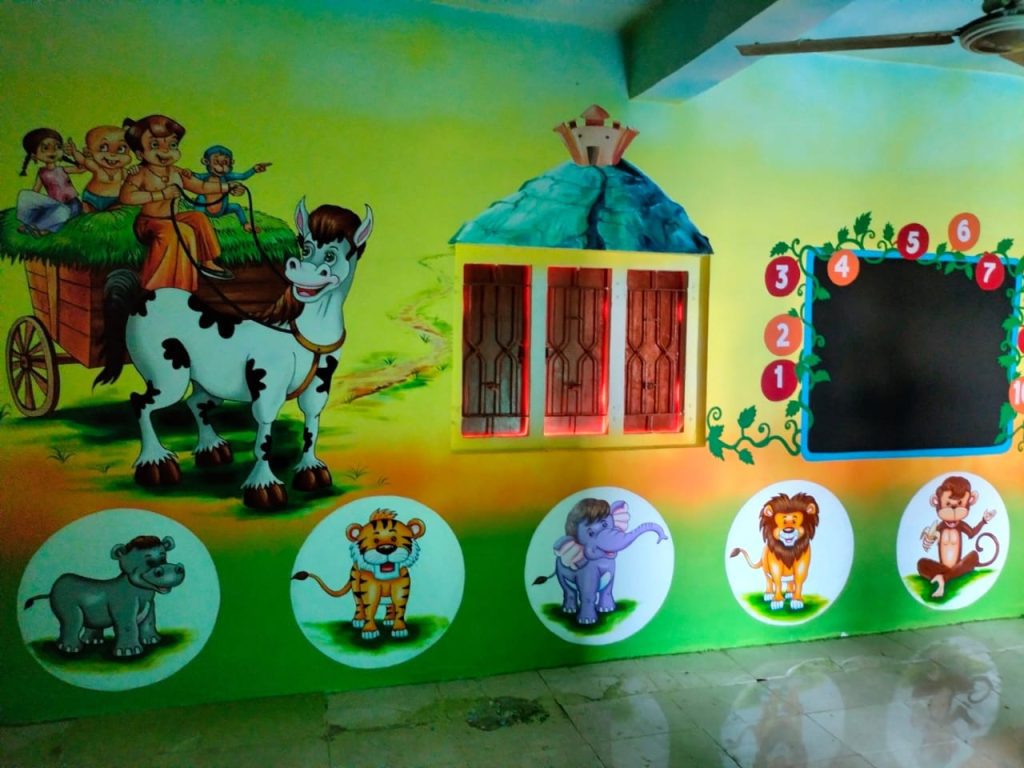
- Learning-based wall paintings
- Play-based Early Childhood Care and Education materials
- Kitchen gardens (Poshan Vatika)
- Improved storage facilities for nutrition supplies
- Rainwater harvesting systems
- Infrastructure upgrades based on local needs
These changes create a safe and stimulating environment for children aged 3-6 years, helping them learn through play-based activities.
Early Childhood Education for Children Aged 0–6 Years
The scheme also focuses on structured early childhood stimulation for younger children.
- Children aged 0–3 years: Anganwadi workers conduct structured home visits to guide parents on child stimulation and development.
- Children aged 3–6 years: Learning is provided through a play-based curriculum at Anganwadi Centres.
These activities follow the “Navchetana – National Framework for Early Childhood Stimulation.”
Training for Anganwadi Workers
To improve the quality of services, the government has launched Pradhan Mantri Poshan Bhi Padhai Bhi (PPBP).
Under this initiative:
- Anganwadi workers receive training on early childhood education and nutrition services.
- Training includes child stimulation techniques and play-based teaching methods.
According to official data, 10,25,515 Anganwadi Workers (AWWs) have already been trained under the first round of the programme as of March 9, 2026.
This helps ensure that children receive quality early learning and nutrition support.
Saksham Anganwadi and Poshan 2.0 Scheme: National Curriculum for Early Childhood Education
The government has also introduced Aadharshila – National Curriculum for ECCE.
This curriculum is based on the National Curriculum Framework for Foundational Stage (NCF-FS) 2022.
It focuses on:
- Play-based learning
- Cognitive and emotional development
- Language development
- School readiness
The curriculum ensures children develop strong foundational skills before entering formal schooling.
Integration With Government Primary Schools
Another important step is the co-location of Anganwadi Centres with government primary schools.
Under guidelines released in September 2025, Anganwadi centres may be located within or near government schools where possible.
This approach helps:
- Ensure smooth transition from preschool to Grade 1
- Strengthen early learning continuity
- Improve community participation
- Make better use of existing resources
The initiative aligns with the goals of the National Education Policy (NEP) 2020, which aims to build strong learning foundations for young children.
What is the Importance of Saksham Anganwadi and Poshan 2.0 scheme
Early childhood is the most critical stage for brain development. By upgrading Anganwadi centres, the government aims to:
- Improve child nutrition
- Strengthen early education
- Reduce learning gaps
- Prepare children for formal schooling
Experts believe such investments can significantly improve long-term education and health outcomes for millions of Indian children.