New Delhi: India is strengthening its defenses along the Himalayan frontier through a major initiative widely referred to as the “Guarding the High Frontier” strategy. This effort focuses on boosting infrastructure, logistics, and military capabilities along the India-China Line of Actual Control (LAC). The plan includes new roads, tunnels, military formations, and improved surveillance systems to ensure faster troop mobilization and stronger deterrence.
With tensions along the border continuing since the 2020 Ladakh crisis, India’s approach is to create better connectivity, deploy specialized mountain forces, and enhance operational readiness in high-altitude regions. These steps aim to secure remote border areas while improving India’s ability to respond quickly to any potential challenge along the Himalayan frontier.
Why Does India Need Guarding the High Frontier Strategy
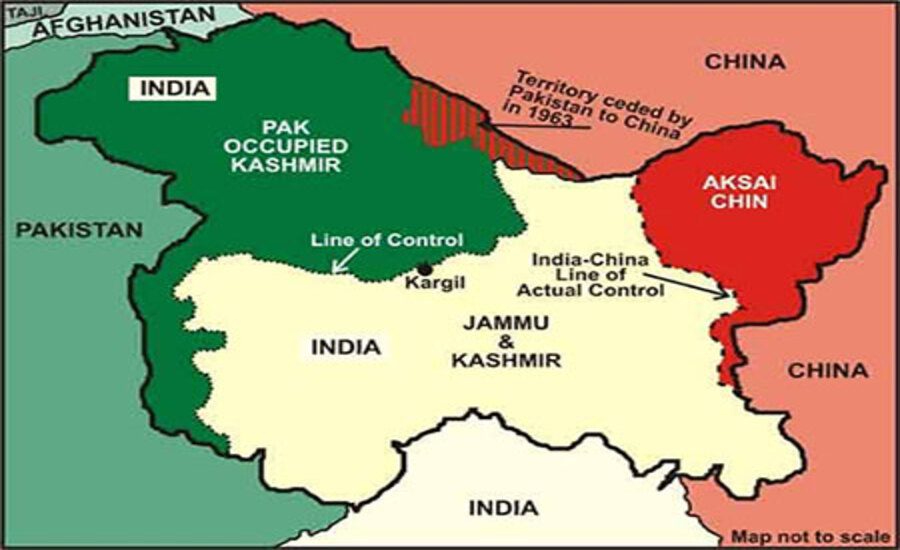
The India-China border stretches about 4,100 km along the Line of Actual Control (LAC) and is divided into three sectors: western (Ladakh), central (Himachal Pradesh–Uttarakhand), and eastern (Sikkim–Arunachal Pradesh).
These regions are extremely mountainous and difficult to access. Because of this terrain, infrastructure and logistics become critical for both countries. China has already developed extensive roads, railways, and airbases in Tibet, which allow rapid troop movement near the border.
India is now focusing on bridging this gap by accelerating road networks, tunnels, forward bases, and airfields so that troops and equipment can move quickly in case of a crisis.
Details of Guarding the High Frontier Strategy
A key part of India’s frontier defense strategy is the Mountain Strike Corps, a specialized army formation designed for high-altitude warfare.
- The corps is India’s first dedicated mountain offensive force facing the China border.
- It is designed to conduct rapid, high-impact operations in mountainous terrain.
- Integrated Battle Groups under the corps combine infantry, artillery, armour, engineers, and logistics units for fast deployment.
The formation is expected to provide India with the capability not only to defend its territory but also to launch counter-offensive operations if required. Strategic planners see it as a key element of India’s deterrence strategy against potential aggression.
Massive Infrastructure Push Along the Border
India has launched several large infrastructure projects to improve connectivity and military readiness in the Himalayas.
1. Frontier Highways and Strategic Roads
One of the most important projects is the Arunachal Frontier Highway, a nearly 1,700-km road running close to the India-China border.
The highway will:
- Improve surveillance along the frontier
- Allow faster troop movement
- Connect remote border villages
- Strengthen India’s security presence in eastern Arunachal Pradesh.
2. Border Roads and High-Altitude Connectivity
Projects executed by the Border Roads Organisation (BRO) have been crucial in maintaining access to remote military posts.
For example, the Project Himank initiative has been constructing and maintaining roads in Ladakh to support troops deployed near the LAC and in regions like Siachen and Pangong Tso.
These roads ensure year-round supply lines and enable rapid deployment of troops and equipment.
Strategic Tunnels and All-Weather Access
Tunnels are becoming a vital component of India’s border infrastructure. One major project is the Sela Tunnel in Arunachal Pradesh, which provides all-weather connectivity to the strategic town of Tawang.
Key benefits include:
- Reducing travel time for military convoys
- Ensuring year-round access even during heavy snowfall
- Strengthening India’s operational readiness in the eastern sector.
Such infrastructure helps prevent isolation of forward bases during winter.
Strengthening Surveillance and Border Villages
India’s frontier strategy also includes technological and civilian initiatives.
Digital Connectivity
Under the government’s 4G saturation project, thousands of mobile towers are being installed in border villages to improve communication and surveillance.
Vibrant Villages Programme
Border villages near the LAC are being developed with better roads, housing, and public infrastructure to prevent migration and maintain civilian presence in strategic areas.
Strategic Goal: Deterrence and Rapid Response
The overall objective of the Guarding the High Frontier strategy is to achieve three goals:
- Rapid mobilization of troops and equipment in difficult terrain.
- Improved surveillance and intelligence along the border.
- Stronger deterrence against potential incursions.
Military planners believe that strong infrastructure combined with specialized mountain forces will significantly improve India’s ability to defend its Himalayan frontier.
Read also: India’s Ultimate Sky Spy: NETRA Mk-2 to Detect Threats 500 km Away Before They Strike