Gandhinagar: The Gujarat government has classified all 268 talukas in the state into two categories under the Developed Gujarat Industrial Policy-2026, aiming to attract fresh industrial investment and promote balanced regional development. The revised classification places 130 talukas in Category A and 138 in Category B, giving entrepreneurs a clearer framework for understanding industrial incentives based on their project locations.
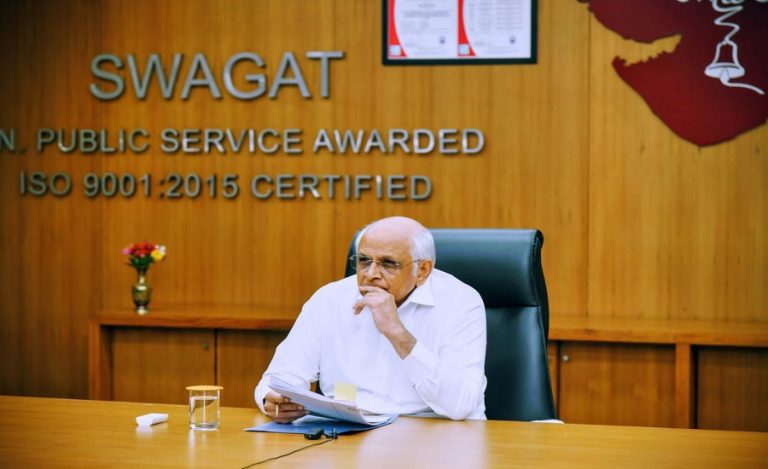
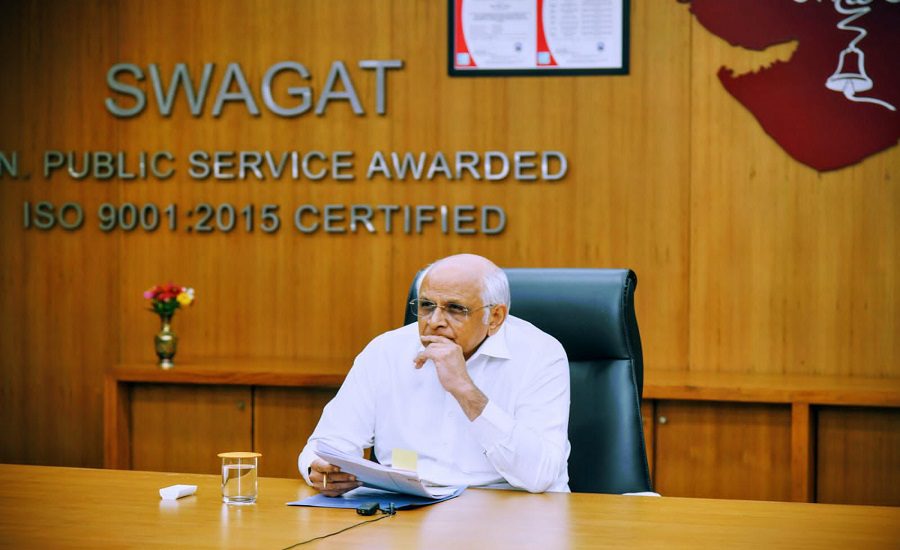
Announced by the Industries and Mines Department under the guidance of Chief Minister Bhupendra Patel, the classification takes into account newly created talukas and the provisions of the state’s new industrial policy.
The move is intended to help businesses planning to establish new industrial units or expand existing facilities identify the relevant category and applicable incentive provisions more easily. However, the benefits will depend on the eligibility criteria and conditions of individual schemes.
130 Talukas in Category A, 138 in Category B
The revised classification covers all 34 districts of Gujarat. Under the new arrangement, 130 talukas fall under Category A, while 138 have been placed in Category B.
By clearly identifying the categories, the government aims to make the industrial incentive framework easier for entrepreneurs to understand. Businesses can use the classification to assess the provisions applicable to their proposed investment locations before planning new projects or expansions.
The announcement does not mean that every business will automatically receive financial assistance. Companies must meet the requirements and conditions specified under the relevant incentive schemes.
The classification also reflects changes in the state’s administrative boundaries following the creation of new talukas, aligning the industrial policy framework with the updated structure.
Industrial Policy 2026 Focuses on Wider Investment
The Developed Gujarat Industrial Policy-2026 seeks to accelerate industrial growth while encouraging investment across different parts of the state.
A clear classification system can help investors understand how their project locations fit into the policy framework. This may make it easier for businesses to compare locations, evaluate applicable incentives and plan investment decisions.
For Gujarat, the wider objective is to encourage industrial activity beyond established investment centres and create opportunities for more regions to participate in economic growth.
The impact will depend on how entrepreneurs respond to the policy, the incentives available to eligible projects and the pace at which proposed industrial investments translate into operational units.
MSMEs, Startups and Women Entrepreneurs in Focus
The policy places particular emphasis on supporting Micro, Small and Medium Enterprises (MSMEs), startups, women entrepreneurs and first-generation entrepreneurs.
MSMEs are an important part of industrial activity, often operating as suppliers, manufacturers and service providers within larger business networks. A clearer incentive framework could help eligible small businesses assess the opportunities available to them when setting up or expanding operations.
Startups and first-generation entrepreneurs may also benefit from greater clarity while evaluating the location and cost of a new venture. For women entrepreneurs, the policy’s stated focus signals an effort to encourage wider participation in industrial activity.
The actual benefits available to these groups will depend on the relevant schemes, eligibility conditions and implementation arrangements.
Green Industrial Parks and Clean Manufacturing Included
Alongside investment promotion, the policy identifies several areas linked to sustainable industrial development. These include green industrial parks, wastewater recycling, clean manufacturing technologies and the circular economy.
Green industrial parks can support more organised industrial development, while wastewater recycling can help industries use water resources more efficiently. Clean manufacturing technologies may also help businesses improve resource use and manage industrial waste.
The circular economy approach focuses on keeping materials and resources in use for longer through reuse, recycling and more efficient production processes.
By including these areas in its industrial policy, Gujarat is signalling that its development agenda extends beyond attracting new factories to encouraging more resource-efficient industrial practices. The results will depend on the projects undertaken and the adoption of these measures by industries.
Clearer Classification Could Support Regional Development
The revised classification establishes a common framework for evaluating industrial locations across Gujarat’s 268 talukas. For businesses, the immediate value lies in making the applicable policy categories easier to identify.
For the state, the broader goal is to attract investment, support entrepreneurship and encourage industrial development across its districts. New industrial units and business expansions can create employment opportunities and generate demand for transport, logistics, local services and supporting enterprises.
However, the classification alone does not guarantee new investments or jobs. These outcomes will depend on business decisions, access to infrastructure, the availability of skilled workers and the effective implementation of incentive schemes.
The next stage will be how the revised framework is applied in practice and how eligible businesses use the policy provisions. By clarifying the classification of all 268 talukas, Gujarat aims to provide investors with a more accessible framework for planning projects and contributing to the state’s industrial growth.
Read also: Bhupendra Patel Visits ‘Viksit Gujarat to Viksit Bharat’ Exhibition in Ahmedabad