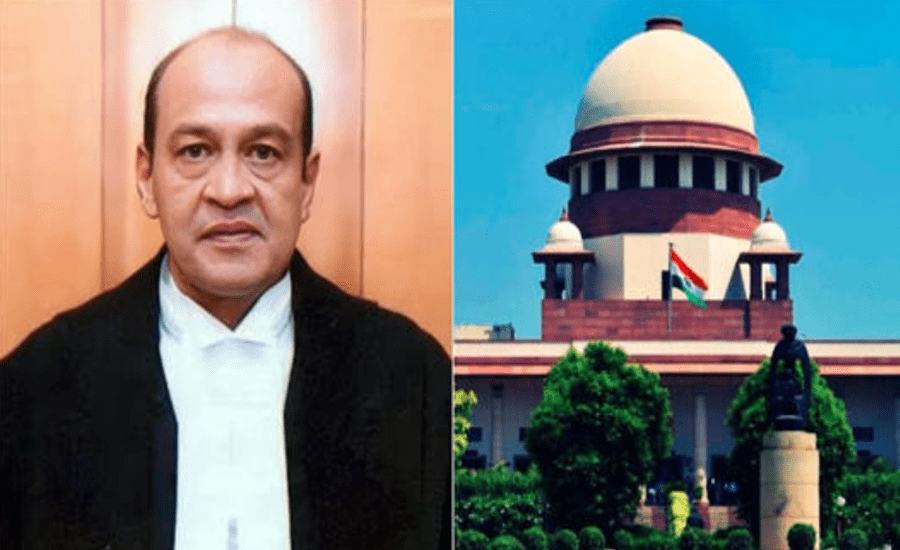
New Delhi: In a development that has intensified scrutiny on judicial accountability in India, a three-member inquiry committee has granted Justice Yashwant Varma only six weeks to respond to serious allegations linked to the discovery of half-burnt currency at his official residence.
The deadline — without provision for further extension — marks a significant escalation in the constitutional process that could lead to the removal of a sitting High Court judge. The decision also highlights deepening concerns about probity, public trust, and transparency within the judiciary.
Background of The Half-Burnt Cash Controversy
The case dates to the night of March 14–15, 2025, when a fire broke out at Justice Varma’s official bungalow at 30 Tughlak Crescent, New Delhi, then part of the Delhi High Court judge’s residence.
Emergency responders discovered stacks of half-burnt Rs 500 currency notes inside a storeroom on the premises — a discovery that triggered national outrage and questions about the conduct of a sitting judge.
A three-member inquiry committee was constituted under the Judges (Inquiry) Act by the Lok Sabha Speaker after a removal motion was admitted in the Lok Sabha. The panel includes Supreme Court Judge Aravind Kumar, Madras High Court Chief Justice M.M. Srivastava, and Senior Advocate B.V. Acharya.
The committee’s probe examined physical evidence, statements from firefighters and police, and video footage that reportedly showed the damaged currency scattered in the storeroom during firefighting operations.
Following the inquiry, the panel supplied Justice Varma with a detailed memo of charges outlining allegations of misconduct, including the presence and alleged removal of unaccounted cash from the premises.
Inquiry Panel’s Tight Timeline in Half-Burnt Cash Controversy Case
Justice Varma had requested eight weeks to formulate his response to the allegations. However, the inquiry committee rejected that request and imposed a strict six-week deadline, making it clear that no further extension would be permitted.
Proceedings are expected to resume in the last week of January 2026, when the panel will assess his written reply and supporting evidence.
This accelerated timeline underscores the seriousness of the matter and signals the panel’s intent to advance the process without delay as Parliament considers next steps under the constitutional framework.
Allegations and Evidence in the Charges Memo
The charges against Justice Varma stem from:
- The discovery of half-burnt currency notes in the storeroom during fire response.
- Statements from Delhi Police and Delhi Fire Service personnel who witnessed the cash at the scene and provided video evidence.
- A probe report from an earlier Supreme Court committee that concluded there was “sufficient substance” in the allegations and that Justice Varma and his family had “covert or active control” over the storeroom where the cash was found.
According to sources, the memo includes video footage, eyewitness testimony, and physical verification from the emergency responders who documented the scene — materials that will form the basis of the judge’s formal reply to the panel.