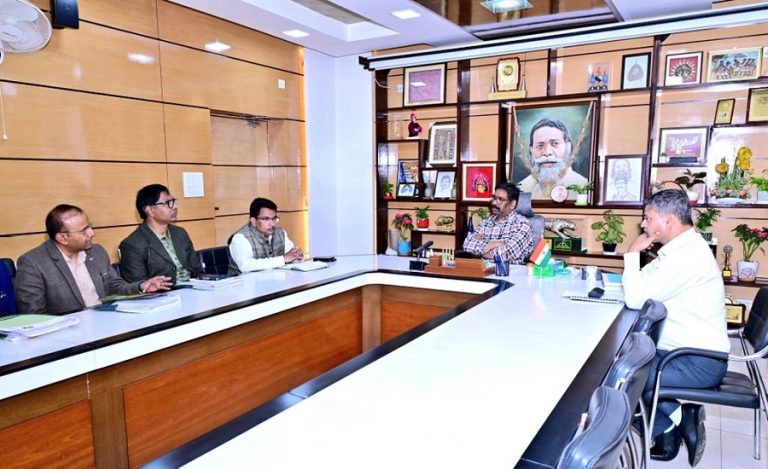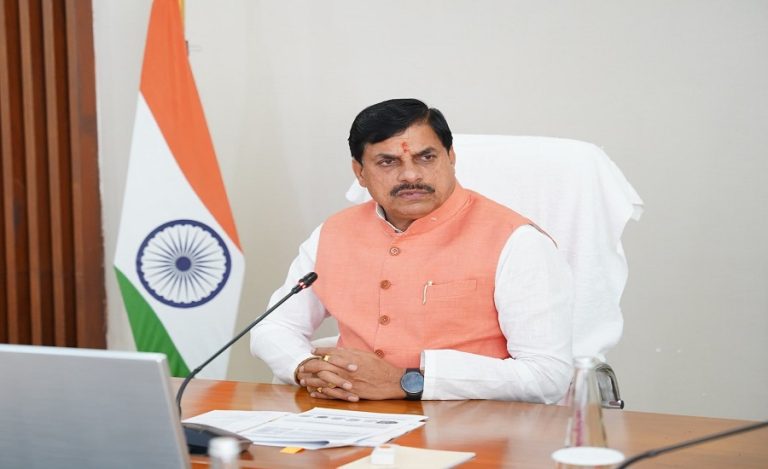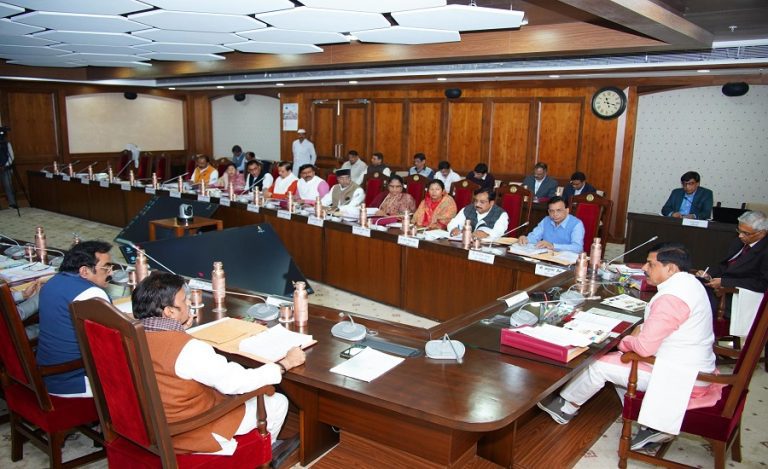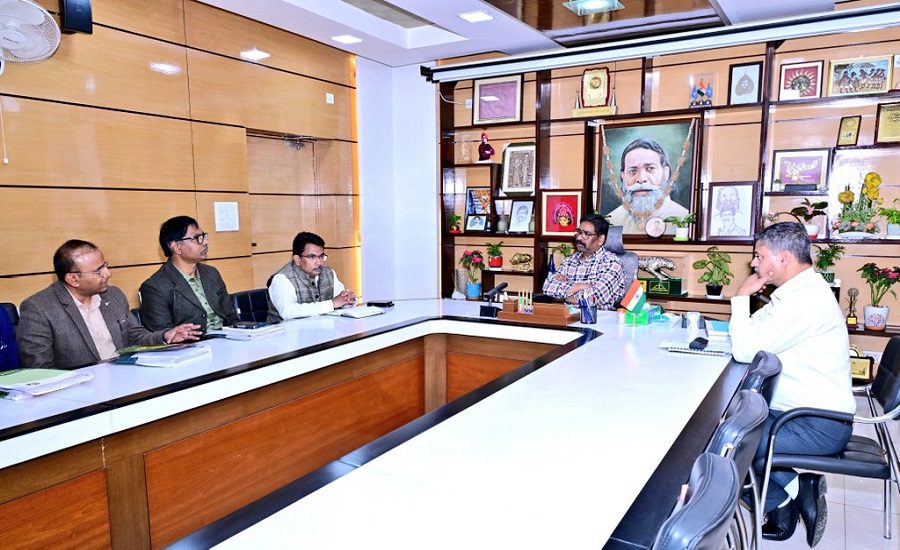
Ranchi: Jharkhand Chief Minister Hemant Soren chaired the fourth meeting of the Jharkhand Eco-Tourism Authority (JETA) Governing Body at the CM’s office in the Jharkhand Legislative Assembly. The meeting focused on leveraging the state’s natural beauty to promote economic growth, generate employment, and develop sustainable eco-tourism infrastructure.
CM Soren emphasized that Jharkhand’s rich forests, rivers, and hills present vast opportunities for eco-tourism, which can benefit local communities while preserving the environment. He called for coordinated efforts among the Forest, Tourism, and Water Resources departments to ensure strategic site selection and timely execution of eco-tourism initiatives.
Emphasis on Eco-Tourism as a Driver of Economic Growth
During the meeting, CM Soren highlighted that eco-tourism could serve as a powerful tool for economic development, providing employment opportunities for local youth while promoting nature conservation. He stressed the importance of developing eco-friendly infrastructure in tourist locations without compromising environmental sustainability.
“The development of eco-tourism in Jharkhand will not only protect our natural heritage but also create large-scale employment for local youth,” CM Soren said.
Key Tourist Destinations Under Discussion
Officials discussed the progress and potential of eco-tourism across several regions of Jharkhand:
- Maithon and Masanjore Reservoirs: Focus on promoting tourism activities around these water bodies.
- Patratu: Development of eco-tourism infrastructure similar to Masanjore.
- Netarhat, Chaibasa, Dumka, and Ranchi: Enhancing facilities in hill and forest areas while maintaining ecological balance.
CM Soren also emphasized revitalizing religious and natural sites, including rivers, reservoirs, and hilly terrains, to gain national and international recognition while preserving environmental integrity.
Environmental and Cultural Preservation Priority
The Chief Minister instructed officials to ensure that all tourism development projects adhere to environmental safeguards. The goal is to create sustainable tourism models that protect forests, wildlife, and water resources while improving visitor experiences.
Participation of Senior Officials and Experts
The meeting saw the participation of key officials and experts, including:
- Tourism Minister Sudivya Kumar
- Chief Secretary Avinash Kumar
- Forest Secretary Abu Bakar Siddiqui
- Water Resources Secretary Prashant Kumar
- Tourism Secretary Mukesh Kumar
- Principal Chief Conservator of Forests Sanjeev Kumar
- Representatives from the Eco-Tourism Society of India
Their combined expertise is expected to guide Jharkhand’s eco-tourism strategy towards sustainable and large-scale implementation.
Towards a Sustainable and Inclusive Eco-Tourism Vision
Jharkhand’s eco-tourism development strategy aims to integrate economic growth, employment creation, and environmental conservation. By developing eco-friendly infrastructure, promoting cultural and natural heritage, and ensuring inter-departmental coordination, the state is positioning itself as a leading eco-tourism destination in India.
CM Soren’s vision underscores the importance of responsible tourism that balances local development with environmental stewardship, offering a roadmap for Jharkhand to achieve both economic prosperity and ecological sustainability.