Bhubaneswar: IAS probationers participated in a specialised training programme organised by the Housing and Urban Development Department aimed at strengthening their understanding of urban governance, policy implementation, and administrative coordination through high-level interactions and field exposure.
The programme combined policy discussions with practical site visits, offering probationers an opportunity to understand how urban development schemes are planned, executed, and monitored at the ground level. Officials said the initiative was designed to equip future administrators with practical insights into urban challenges and governance models.
Interaction With Senior Officials on Urban Governance
During the programme, the probationers held an interactive session with Usha Padhee, Additional Chief Secretary, and Arindam Dakua, who briefed them on major urban governance achievements, flagship schemes, and current administrative challenges.
The officials explained how coordination between departments, local bodies, and district administration plays a crucial role in implementing welfare and development programmes effectively. The discussion also covered policy priorities, infrastructure development, and governance reforms being pursued in urban areas.
This interaction gave the probationers a clearer understanding of how policy decisions translate into administrative action and how field-level governance requires both strategic planning and continuous monitoring.
Field Visit to PMAY Affordable Housing Project
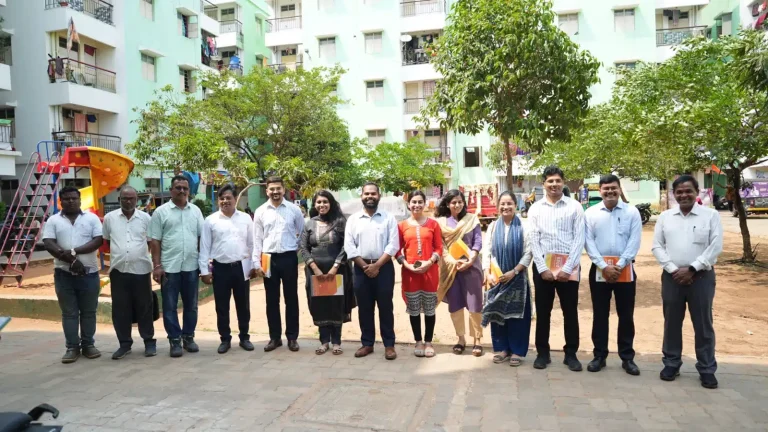
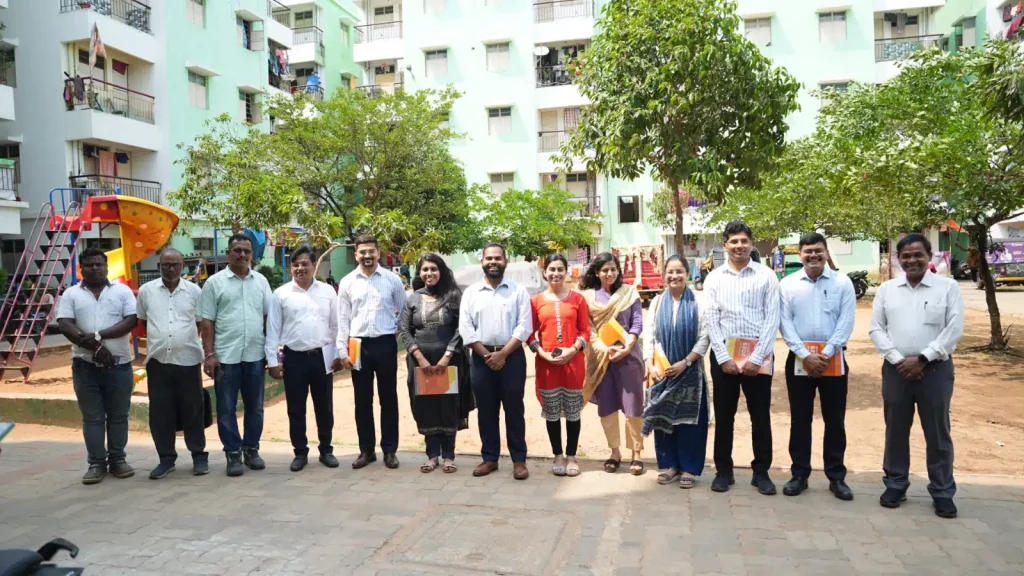
As part of the field component, the probationers visited Buddha Vihar to observe affordable housing projects developed under Pradhan Mantri Awas Yojana.
Officials at the site explained beneficiary identification, project execution, and monitoring mechanisms under the housing scheme. The visit helped probationers understand how beneficiary-centric models are implemented and how affordable housing projects are integrated into urban planning frameworks.
The field exposure also highlighted the role of public housing in improving urban living conditions for economically weaker sections.
Exposure to Urban Sanitation and Water Infrastructure
The training programme also included visits to the Odisha Urban Academy, where probationers were introduced to capacity-building systems used in urban administration.
They further visited a Faecal Sludge Treatment Plant (FSTP) and a Water Treatment Plant (WTP) to understand urban sanitation systems, wastewater treatment processes, and drinking water supply management.
Technical officials explained how sanitation and water infrastructure are maintained, monitored, and linked with public health outcomes in expanding urban centres.
Preparing Future Administrators for Ground Realities
Officials said the programme was designed to expose IAS probationers to the operational realities of urban governance before they assume field responsibilities.
By combining policy-level interactions with practical demonstrations, the initiative aimed to strengthen their administrative preparedness and deepen their understanding of urban service delivery systems.
Such exposure is expected to help probationers handle future responsibilities involving housing, sanitation, water supply, and municipal governance more effectively.