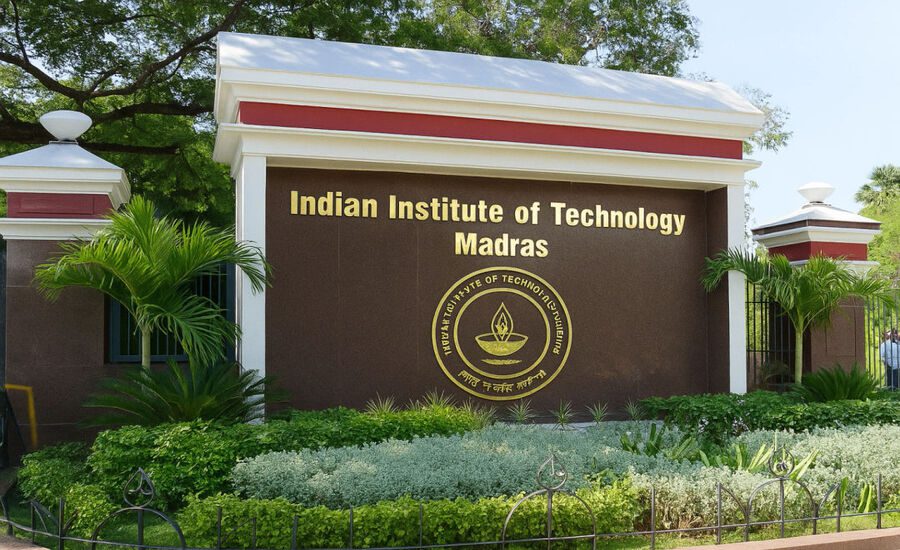
Madras: IIT Madras indigenous power system for plasma thrusters is a major step forward for India’s space technology sector. Researchers at the Indian Institute of Technology (IIT) Madras have developed a new electronic power system that can efficiently run Pulsed Plasma Thrusters (PPTs) used in small satellites. The innovation aims to reduce energy consumption, hardware size, and system complexity in satellite propulsion.
Small satellites are becoming increasingly important for communication, Earth observation, and defence applications. However, traditional propulsion systems are often bulky and consume more power. The newly developed indigenous power solution by IIT Madras addresses these challenges and could help India build more efficient and cost-effective satellites in the future.
What Is The Indigenous Power System for Pulsed Plasma Thrusters Developed By IIT Madras?
Researchers at IIT Madras have designed an advanced electronic system that powers Pulsed Plasma Thrusters, which are commonly used for propulsion in small satellites.
Read also: Inside India’s Ramjet Engine Programme: How IIT Madras Plans to Double Artillery Strike Range
These thrusters generate thrust by releasing high-voltage electrical pulses that convert solid propellant into plasma and eject it at high speed. This process gradually moves the satellite or adjusts its orbit.
The newly developed system offers several improvements:
- Generates high-voltage pulses for plasma thrusters
- Uses less power compared to conventional systems
- Reduces hardware complexity and size
- Improves overall propulsion efficiency
This makes the technology particularly suitable for CubeSats and other small satellites, which operate with limited energy resources.
Why Satellite Propulsion Technology Matters
Satellite propulsion systems allow spacecraft to:
- Maintain their orbit
- Change position in space
- Avoid collisions with debris
- Extend operational life
For small satellites, propulsion technology must be compact, energy-efficient, and reliable. Traditional systems often require heavy sensors and bulky components.
The IIT Madras system simplifies this by providing a streamlined electronic solution that precisely controls plasma pulses while reducing energy consumption.
Key Technical Features Of The Indigenous Power System for Pulsed Plasma Thrusters
The newly developed power electronics system has several advanced capabilities:
- High-Voltage Pulse Generation: The system can generate pulses up to –2.5 kilovolts, which are required to ignite plasma in the thruster.
- High Pulse Rate: It can deliver around 1,000 pulses per second, enabling smooth and precise satellite manoeuvres.
- Low Power Requirement: The system operates under 150 watts of power, making it suitable for small satellites with limited onboard energy.
- High Efficiency: Laboratory tests have shown more than 90% efficiency, which is significantly beneficial for long-duration missions.
Innovative Sensor-Free Control Technology
A major innovation in the system is its predictive variable-frequency control algorithm.
Traditional propulsion systems rely on multiple current and voltage sensors to regulate pulses. These sensors add:
- Extra weight
- Increased cost
- Slower system response
The IIT Madras system replaces these sensors with a smart algorithm that predicts system behaviour and controls pulses automatically.
This reduces system complexity and improves responsiveness while making the propulsion system lighter and cheaper.
Application of Indigenous Power System for Pulsed Plasma Thrusters
While the system was primarily designed for satellite propulsion, researchers say the technology can also be used in other areas.
Possible applications include:
- Water purification technologies
- Air pollution control systems
- Breaking down persistent pollutants like PFAS
- Ozone-based water treatment systems
These applications could help develop energy-efficient environmental solutions for both urban and remote areas.
What is the Importance of Indigenous Power System for Pulsed Plasma Thrusters For The Future Of Small Satellites
The IIT Madras power system could make small satellites cheaper, lighter, and more energy efficient.
This could benefit:
- space startups
- defence space missions
- academic research satellites
- commercial satellite constellations
As small satellite launches increase globally, technologies like this could help India compete strongly in the growing global space industry.