New Delhi: India is steadily expanding its nuclear power generation capacity, with several projects under construction and a strong pipeline of upcoming reactors, according to a statement by Dr. Jitendra Singh in the Rajya Sabha today.
Current Nuclear Power Capacity
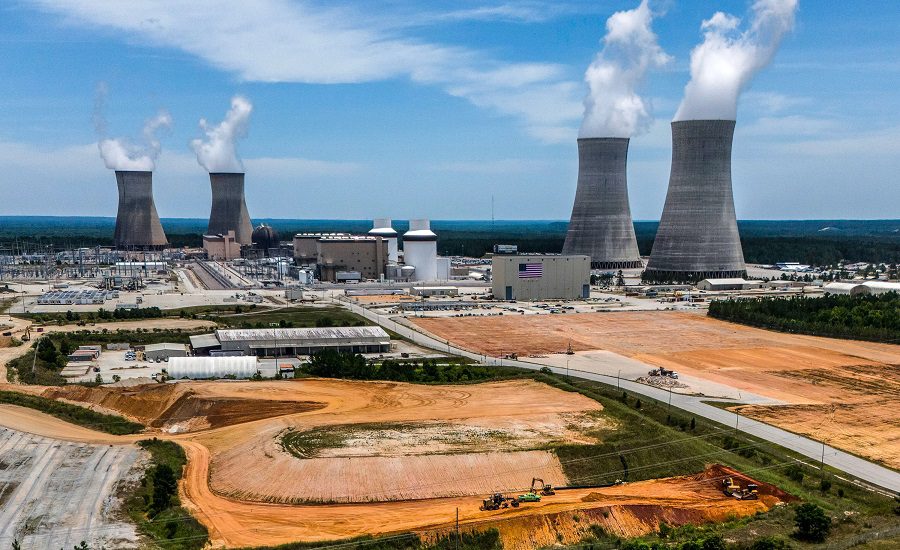
As of now, India’s installed nuclear power capacity stands at 8,780 MW, coming from 24 nuclear power plants (excluding RAPS-1, which has a capacity of 100 MW). Over the past three years, nuclear power generation has shown a steady increase:
- 2022-23: 45,855 Million Units (MUs)
- 2023-24: 47,971 MUs
- 2024-25: 56,681 MUs
This reflects the government’s continued emphasis on nuclear energy as a clean and reliable source of electricity.
Reactors Under Construction
Currently, 10 reactors are under construction, including the Prototype Fast Breeder Reactor (PFBR) at Kalpakkam, which has a capacity of 500 MW. The other reactors under construction include:
- Rajasthan: RAPP-8 – 700 MW
- Tamil Nadu: KKNPP-3 & 4 – 2 x 1000 MW; KKNPP-5 & 6 – 2 x 1000 MW
- Haryana: GHAVP-1 & 2 – 2 x 700 MW
- Karnataka: Kaiga-5 & 6 – 2 x 700 MW
These projects together add up to a total of 13,500 MW of capacity in various stages of construction.
Projects in Pre-Project Stage
India also has 8 reactors in pre-project activities, which include:
- Haryana: GHAVP-3 & 4 – 2 x 700 MW
- Madhya Pradesh: Chutka-1 & 2 – 2 x 700 MW
- Rajasthan: Mahi Banswara-1 & 2 and 3 & 4 – 4 x 700 MW
Additionally, the government has approved pre-project activities for a twin unit FBR 1 & 2 project at Kalpakkam, Tamil Nadu, each with 500 MW capacity. Financial sanction for these units will be sought after the PFBR attains first criticality.
Focus on Fast Breeder Reactors
The BHAVINI PFBR project at Kalpakkam is currently in the commissioning phase and represents a significant milestone for India’s nuclear technology program. Fast breeder reactors are designed to utilize fuel more efficiently and can generate additional fuel, positioning India as a leader in advanced nuclear energy technology.
Government’s Commitment
Dr. Jitendra Singh emphasized that these expansions are part of India’s long-term strategy to strengthen energy security, reduce dependence on fossil fuels, and meet growing electricity demand sustainably. With 18 reactors totaling 13,600 MW under implementation, India is poised to significantly increase its nuclear power footprint over the next decade.
This development highlights India’s dual focus on traditional pressurized heavy-water reactors (PHWRs) and advanced fast breeder technology, reflecting a diversified and future-ready nuclear energy strategy.