Antalya, Türkiye: India has identified four priority areas for expanding climate cooperation with Small Island Developing States (SIDS), focusing on protecting vulnerable coastlines, restoring marine ecosystems, strengthening renewable energy infrastructure and building institutional capacity.
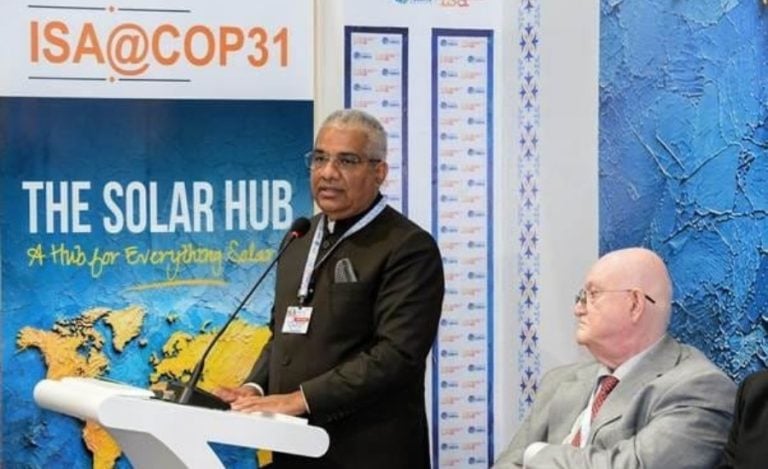
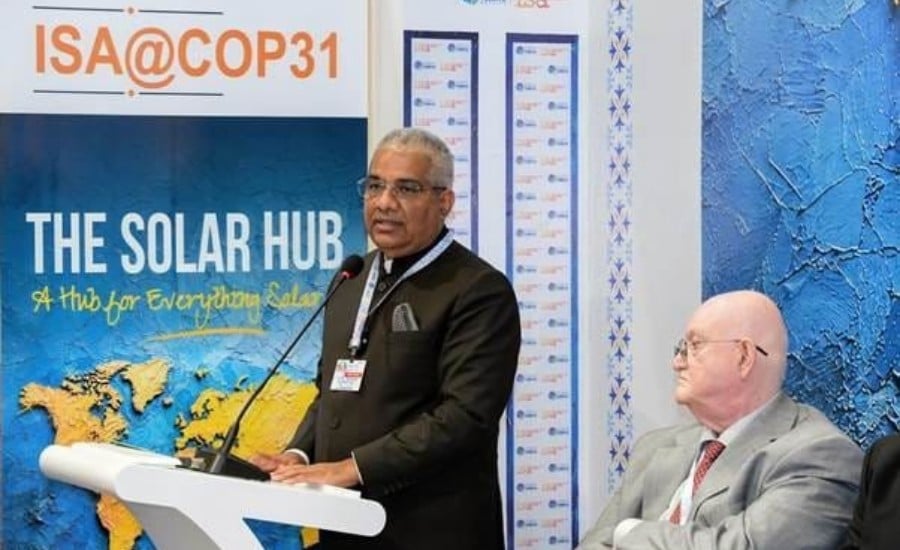
Union Environment, Forest and Climate Change Minister Bhupender Yadav outlined the proposed areas at a high-level ministerial event titled ‘India–SIDS Partnership for Resilient Coasts and Oceans: Sharing Knowledge, Technology and Solutions’ on November 17, on the sidelines of the UN Climate Change Conference (COP31) in Antalya, Türkiye.
The Minister called for stronger partnerships through knowledge-sharing, technology transfer and practical collaboration, emphasising that resilient oceans and coastlines are essential for economic security, ecological stability and the well-being of coastal communities.
Four Priority Areas for India–SIDS Cooperation
Yadav identified four areas where India and island nations could work together:
- Coastal risk assessment: Scientific assessment of coastal vulnerabilities, shoreline monitoring and early warning systems to help countries prepare for erosion, storms and other climate-related threats.
- Ecosystem restoration: Mangrove conservation, coral reef and seagrass protection, wetland restoration and sustainable management of coastal and marine resources.
- Renewable energy and technology: Island-specific solutions, including solar-powered systems, decentralised renewable energy, water security and climate-resilient infrastructure.
- Institutional partnerships and capacity-building: Joint project preparation, technical cooperation and country-led pilot initiatives to strengthen local capabilities.
Read Also: India and Sweden Launch LeadIT 3.0 at COP31 to Accelerate Low-Carbon Industrial Transition
The Minister stressed that these initiatives should be tailored to the geography, ecosystems, development priorities and institutional capacities of individual island nations.
Rising Climate Risks Threaten Island Nations
Highlighting the challenges facing SIDS, Yadav referred to the growing impact of:
- Sea-level rise and coastal erosion.
- Ocean warming and coral bleaching.
- Stronger storms and extreme weather events.
- Marine pollution and degradation of coastal ecosystems.
He noted that these threats affect homes, infrastructure and livelihoods, while also raising concerns about the long-term habitability of some island territories.
Drawing on India’s experience, the Minister highlighted the country’s approximately 11,099-kilometre coastline and its work in scientific coastal assessment, ecosystem conservation, shoreline management and disaster preparedness.
He also cited the Mangrove Initiative for Shoreline Habitats and Tangible Incomes (MISHTI), which combines mangrove conservation and restoration with support for coastal livelihoods.
India Offers Experience in Coastal Forecasting and Disaster Preparedness
Yadav identified India’s scientific coastal assessments, ocean forecasting and early warning systems as areas with potential for knowledge exchange, particularly drawing on experience in Odisha and Andhra Pradesh.
He also highlighted India’s engagement through several international platforms:
- International Solar Alliance (ISA): Cooperation on solar energy and renewable energy solutions.
- Coalition for Disaster Resilient Infrastructure (CDRI): Support for infrastructure that can withstand climate-related disasters.
- Infrastructure for Resilient Island States (IRIS): Initiatives focused on strengthening infrastructure resilience in island countries.
- Forum for India-Pacific Islands Cooperation (FIPIC): A platform for strengthening India’s engagement with Pacific island nations.
These initiatives provide avenues for cooperation in renewable energy, disaster preparedness, resilient infrastructure and locally adapted climate solutions.
Mauritius, Kiribati and Marshall Islands Participate
The ministerial event was organised by The Energy and Resources Institute (TERI) and the Ministry of Environment, Forest and Climate Change, in partnership with the International Solar Alliance.
Participants included ministerial representatives from Mauritius, Kiribati and the Marshall Islands, along with senior officials from Fiji, TERI and ISA.
Yadav also emphasised that cooperation should be based on mutual learning. He noted that SIDS possess valuable traditional knowledge and experience in adapting to changing ocean conditions, given their close relationship with marine ecosystems.
He expressed India’s readiness to share its technical expertise while learning from the priorities and experiences of island nations, calling for a shift from dialogue to practical action to protect oceans and strengthen coastal communities.