New Delhi: In a dramatic restructuring of its combat force composition, the Indian Army has announced plans to raise 15–20 specialised drone warfare regiments, dubbed “Shaktibaan Regiments,” as part of a sweeping effort to transform India’s defence capabilities for modern, unmanned warfare.
This initiative represents one of the most significant shifts in the Army’s operational framework in recent years, aiming to bridge critical capability gaps in precision strike, surveillance, and deep-strike applications.
What is Shaktibaan Drone Regiments
The Shaktibaan regiments will be newly raised units within the Indian Army’s Regiment of Artillery and will be equipped with swarm drones, loitering munitions, and long-range unmanned aerial systems capable of striking targets from 5 km up to 500 km deep behind adversary lines.
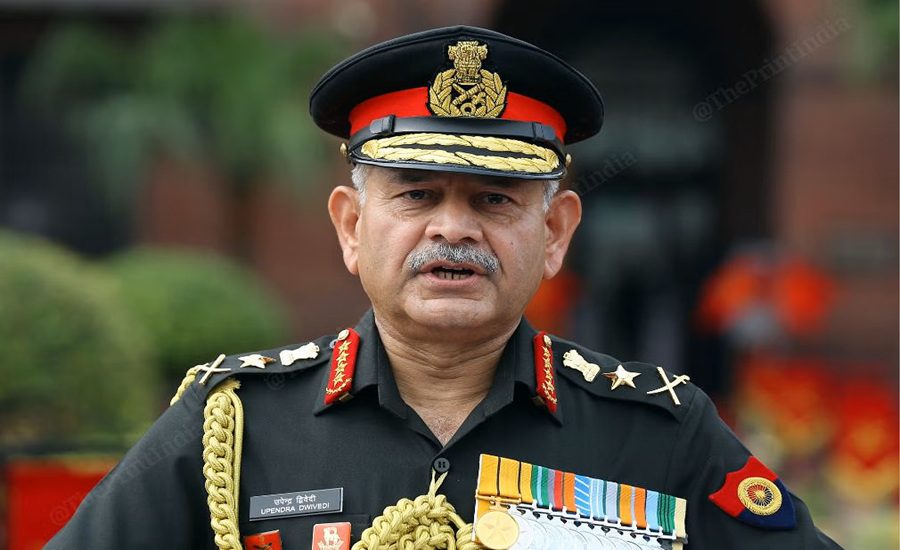
Defence officials told news agencies that initial units are already operationalised, and the broader rollout forms part of a force transformation strategy conceived by Army Chief General Upendra Dwivedi to prepare India’s armed forces for future battlefields dominated by unmanned platforms and autonomous systems.
What is the Importance of Shaktibaan Drone Regiments
The expansion reflects a global shift toward unmanned combat systems as a core component of military strategy.
Recent conflicts and defence studies show that drones and loitering munitions have drastically enhanced operational reach, adaptability, and lethality on modern battlefields.
Indian strategists believe these regiments will:
- Enhance precision strike capabilities across wide geographic frontiers.
- Reduce dependence on large manned formations for high-risk missions.
- Support rapid deployment and scalability in multi-domain operations.
By embedding drone capabilities deeply within frontline artillery units, the Army aims to enhance cross-domain synergy, improve situational awareness, and deliver lethality at multiple depths of the battlefield—from tactical strikes to operational deterrence.
This move complements other recent Army initiatives—such as creating more than 100,000 trained drone operators, introducing Ashmi platoons within infantry units, and raising the Bhairav special forces dedicated to drone-enabled tasks.
What are the Features of Shaktibaan Drone Regiments
The Shaktibaan regiments are expected to be equipped with a wide variety of unmanned systems:
Swarm Drone Technology
Swarm drones are groups of small unmanned aerial vehicles (UAVs) capable of coordinated strikes and real-time data sharing. These systems can overwhelm defences and perform complex tactical missions with reduced human control.
Loitering Munitions
Loitering munitions—or suicide drones—hover above target zones before attacking with precision. India has already fielded indigenous loitering munitions and plans rapid expansion under the new structure.
Loitering munitions combine surveillance and strike functions, making them a versatile asset in modern conflict scenarios.
Long-Range UAVs
Long-range unmanned systems will provide strategic surveillance and deep-strike capabilities, closing gaps between traditional artillery and long-range cruise missiles like BrahMos and the 120 km-range Pinaka rocket systems.
Indian Industry and Rapid Procurement
To equip the first of the Shaktibaan regiments, the Army is set to issue fast-track tenders for 850 loitering munitions and associated launcher systems under an expedited procurement process.
Leading Indian defence firms expected to participate include Solar Defence & Aerospace, Adani Defence, and RapheM, among others, for a project valued at approximately ₹2,000 crore.
Officials anticipate that Indian industry partners will deliver the systems within the next two years, accelerating the Army’s transition to unmanned operations.
Read also: Inside the Indian Army’s ‘Bhairav’ Force: How 100,000 Drone Warriors Are Transforming Modern Warfare