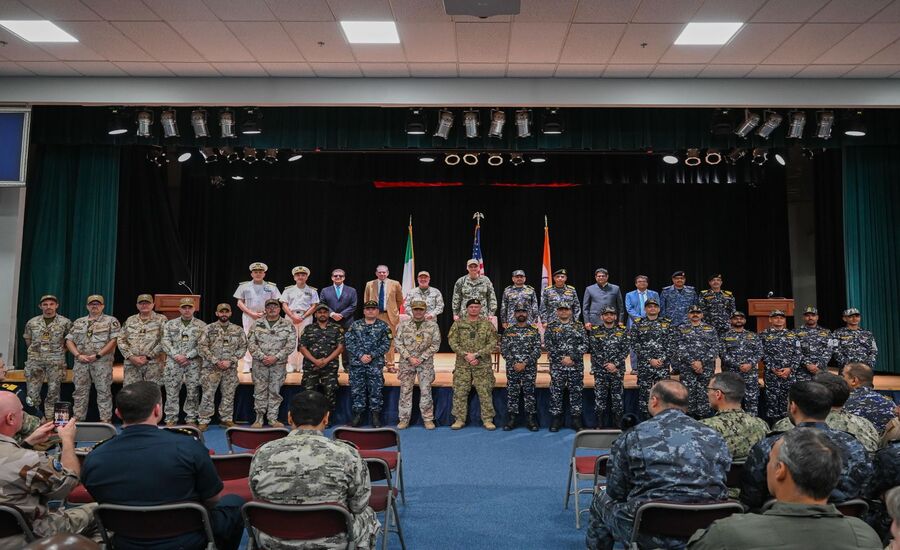
MANAMA, Bahrain — The Indian Navy assumes command of Combined Task Force (CTF) 154, marking a historic milestone in India’s growing role in international maritime cooperation and training. This change highlights India’s expanding leadership in collaborative maritime security efforts and capacity building across critical sea routes connecting the Indian Ocean and the wider Middle East.
What Is Combined Task Force (CTF) 154?
Combined Task Force 154 is a key part of the Combined Maritime Forces (CMF) — a multinational naval partnership comprising 47 nations dedicated to shared maritime security and stability in major global sea lanes.
Read also: TPCR 2025: Indian Navy Accelerates Deployment of Autonomous USV Swarms to Boost Maritime Security
Unlike conventional combat units, CTF 154’s mission is focused on training and capacity building, helping partner navies improve their skills and capabilities through structured international programs.
Combined Task Force 154 Command : Historic Change
On 11 February 2026, at the Combined Maritime Forces Headquarters in Manama, Bahrain, the Indian Navy officially took over command of CTF 154 from the Italian Navy.
The ceremony was presided over by Vice Admiral Curt A. Renshaw, Commander of CMF and United States Naval Forces Central Command / US 5th Fleet, and attended by senior military leaders from multiple nations.
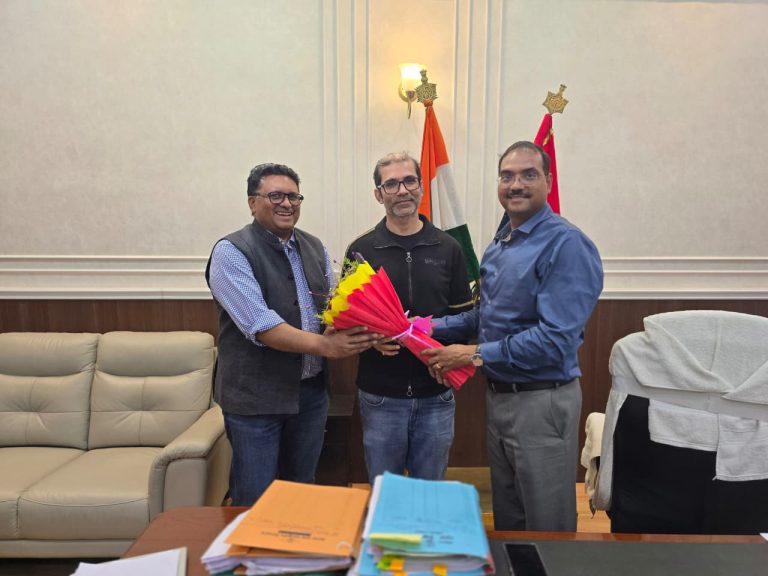
Commodore Milind M Mokashi, Shaurya Chakra — representing the Indian Navy — became the new Commander of CTF 154, symbolizing India’s first time leading a CMF task force.
Importance of Combined Task Force 154 Command
Here are the importance of combined task force 154 command;
Boosts India’s Global Maritime Role
India’s leadership of CTF 154 reflects greater trust in its professional expertise and operational experience. This role positions India as a Preferred Security Partner among CMF nations, reinforcing its strategic influence in maritime security beyond the Indian Ocean Region.
Supporting Regional and Global Peace
CTF 154 does not focus on combat missions but on training and cooperation. Through multinational exercises, simulations, and scenario-based training, participating nations improve coordination, readiness, and ability to respond to common threats.
Focus Areas of CTF 154
Training under CTF 154 revolves around five core pillars:
- Maritime Domain Awareness (MDA) – Improving surveillance, monitoring, and understanding of maritime activities.
- Law of the Sea – Enhancing knowledge of international maritime law and legal frameworks.
- Maritime Interdiction Operations – Training boarding teams and interdiction procedures.
- Maritime Rescue and Assistance – Preparing forces for search, rescue, and humanitarian at-sea assistance.
- Leadership Development – Building leadership skills for joint and multinational operations.
These training areas help partner nations deal with illegal trafficking, piracy, irregular migration, and other evolving threats to maritime security.
How CTF 154 Works
CTF 154 regularly conducts:
- Maritime Security Enhancement Training (MSET) events
- Multinational exercises like Compass Rose and Northern/Southern Readiness
- On-site and ashore training programs tailored to partner needs
These activities connect experts and trainees from various nations, promoting real-world interoperability and shared best practices.
Looking Ahead — Indian Navy’s Contribution
With this leadership role, the Indian Navy aims to:
- Deepen multinational cooperation
- Produce high-impact training programs
- Strengthen global partnerships
- Support peace and security across international waters
This command also reinforces India’s broader diplomatic and strategic engagement across the Middle East and Indian Ocean regions.