https://indianmasterminds.com

ADVERTISEMENT
ADVERTISEMENT

ISRO–Indian Armed Forces MoU: How 53 New Telemedicine Nodes Will Revolutionize Healthcare for Soldiers in Remote Border Areas

ISRO and the Indian Armed Forces will set up 53 new telemedicine nodes to provide real-time healthcare to soldiers in remote and high-altitude regions using satellite technology.
ISRO–Indian Armed Forces MoU
Indian Masterminds Stories

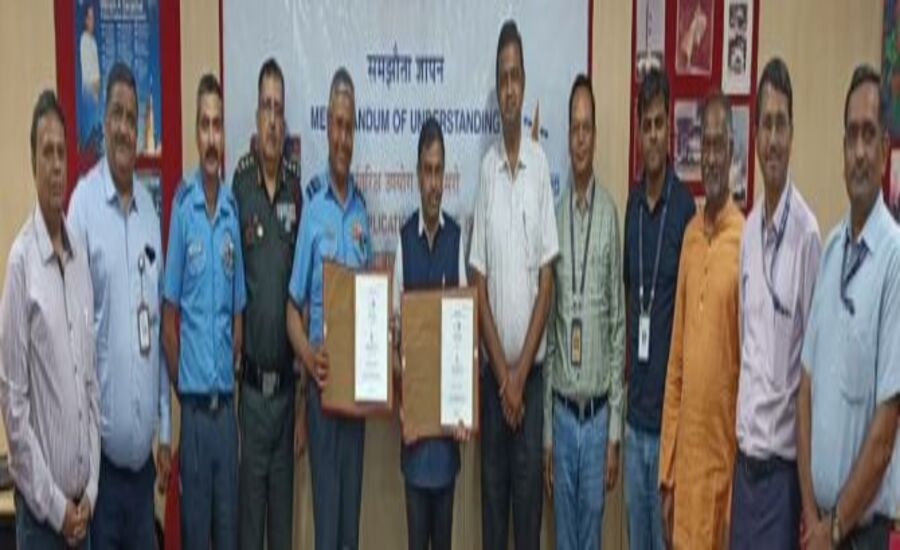
New Delhi: The ISRO Armed Forces MoU telemedicine expansion marks a major step in strengthening healthcare support for Indian soldiers deployed in extreme conditions. Under this agreement, the Indian Space Research Organisation (ISRO) and the Ministry of Defence will jointly establish 53 new telemedicine nodes in the first phase. This initiative aims to provide real-time medical assistance to troops stationed in remote and high-altitude areas such as the Line of Actual Control (LAC) and Siachen Glacier, where access to hospitals is extremely difficult.

What is the ISRO–Indian Armed Forces MoU

India’s defence forces and ISRO have signed a Memorandum of Understanding (MoU) to expand satellite-based telemedicine services for military personnel.

Read also: Space Junk Crisis Solved: How India Plans to Eliminate Space Junk by 2030 through ISRO Zero Orbital Debris Mission

The agreement focuses on:

  • Maintaining existing telemedicine infrastructure
  • Expanding services to remote and inaccessible regions
  • Building next-generation medical connectivity systems

This collaboration reflects India’s push for self-reliance in defence healthcare using indigenous space technology.

What are 53 New Telemedicine Nodes

Under the first phase of the project:

  • 53 new telemedicine nodes will be installed
  • These will add to the existing 20 nodes already serving the Army, Navy, and Air Force
  • Focus areas include high-altitude and border regions

This expansion will significantly improve coverage for troops posted in extreme terrains.

What is the Importance of ISRO–Indian Armed Forces MoU

Here is the importance of ISRO–Indian armed forces MoU; 

1. Healthcare in Extreme Conditions

Soldiers deployed in areas like:

  • Siachen Glacier
  • Ladakh
  • Arunachal Pradesh

face challenges such as:

  • Altitude sickness
  • Severe injuries
  • Limited access to hospitals

Telemedicine ensures instant medical consultation without evacuation delays.

2. Real-Time Specialist Support

The system allows:

  • Live video consultations with doctors
  • Sharing of ECG, X-rays, and reports
  • Quick diagnosis and treatment decisions

This can save lives during emergencies.

3. Strategic Defence Advantage

Reliable communication systems are crucial in:

  • Border security
  • Wartime operations
  • Disaster situations

This project strengthens India’s defence readiness and medical response capability.

Technology Behind the System

The telemedicine network uses satellite-based communication technology, especially:

  • VSAT (Very Small Aperture Terminal) systems
  • High-bandwidth satellite links
  • Integrated diagnostic software

These technologies allow seamless communication even in areas with no internet or mobile connectivity.

Existing Telemedicine Network in India

  • India already operates around 190 telemedicine nodes nationwide
  • These serve both civilian and defence sectors
  • Defence-specific nodes have proven highly useful in remote deployments

The new expansion will further strengthen this network.

Key Focus Areas of ISRO–Indian Armed Forces MoU

Special attention is being given to:

  • Siachen Glacier (world’s highest battlefield)
  • Forward posts along LAC and LoC

Existing nodes in Siachen have already shown success, and now similar systems will be expanded to other regions.

Key Officials Involved

The MoU was signed between:

  • Representatives of the Integrated Defence Staff (IDS)
  • ISRO’s Space Applications Centre (SAC)

Both sides reviewed current systems and planned future upgrades before signing the agreement.

Bigger Picture: India’s Space-Based Defence Push

This initiative is part of a broader strategy where India is:

  • Expanding satellite infrastructure
  • Enhancing defence communication systems
  • Increasing reliance on indigenous technology

India is also planning large-scale satellite deployments for surveillance and communication in the coming years.

Read also: EO-SAAW Seeker Technology Breakthrough: The Indian Weapon That Strikes Without Entering Enemy Airspace


Indian Masterminds Stories
ADVERTISEMENT
ADVERTISEMENT
Related Stories
ADVERTISEMENT
ADVERTISEMENT
NEWS
Allahabad High Court Fresh Roster
Big Change in Allahabad HC: Fresh Roster Assigns Crucial Family and Elderly Cases to Justice Sreedharan
DRDO Gallium Oxide Technology
Inside the India's Most Powerful Radar Technology that Could Outclass Existing Radar Systems
Indian Army High-Altitude Warfare Upgrade
Explained: How Indian Army is Upgrading High-Altitude Warfare Systems to Secure Northern Borders Effectively
ISRO–Indian Armed Forces MoU
ISRO–Indian Armed Forces MoU: How 53 New Telemedicine Nodes Will Revolutionize Healthcare for Soldiers in Remote Border Areas
IAF ₹36 Lakh Crore Modernisation Drive
India’s Biggest Air Force Upgrade: Inside India’s ₹36 Lakh Crore IAF Upgrade Plan for Next-Gen Warfare
7th Critical Minerals Auction
Big Boost to Energy Security: India Rolls Out 7th Critical Minerals Auction with Lithium, REE & Graphite Blocks
IAF Mirage 2000 Upgrade
IAF Mirage 2000 Upgrade: Upgrade Details, Squadron Impact, Future Plans
DoPT-resized
DoPT Orders Immediate Telangana Reallocation of IAS A Vani Prasad; UP Promotes IPS L.V. Antony Dev Kumar to DG Rank
ADVERTISEMENT
ADVERTISEMENT
Videos
WhatsApp Image 2026-03-19 at 6.17
How Surinder Choudhary Uses Long-Distance Running to Stay Mentally Strong in a High-Pressure Police Career
WhatsApp Image 2026-03-16 at 4.18
What Happens After Terror Strikes? Surinder Choudhary Explains the Reality of Counter-Terror Operations
beno zephine
India’s First Visually Impaired IFS Officer on Diplomacy, Inclusion and Changing the System
ADVERTISEMENT
UPSC Stories
WEB THUMBNAIL TEMPLATE -6
4 Attempts, 2 Prelims Failures, 1 Dream: How Ishita Sharma from Gorakhpur Turned Setbacks into Strength and Secured UPSC AIR 26
After two prelim failures and a near miss by 14 marks in her third attempt, Ishita Sharma secured AIR...
WhatsApp Image 2026-03-23 at 2.32
He Finished What His Father Started: Abhishek Kumar Dhyawana’s Journey to AIR 820 in UPSC 2025 | Exclusive
Abhishek Kumar Dhyawana, AIR 820 in UPSC 2025, fulfilled his father’s unachieved civil services dream...
Jeenu Sri Jaswanth Chandra
How Jaswanth Chandra Balanced IPS Training and Preparation to Secure AIR 23
Discover how Jaswanth Chandra secured AIR 23 in UPSC 2025 while undergoing IPS training. Learn his strategy,...
CSR NEWS
ECIL
ECIL Completes CSR Project by Handing Over Retaining Wall at Rastriya Vidya Kendra, Telangana
ECIL Enhances Student Safety and School Infrastructure in Medchal-Malkajgiri District Through Corporate...
ntpc
NTPC WR-I Launches ₹7.64 Crore CSR Project to Renovate IPD Blocks at N.M. Wadia Hospital, Solapur
Renovation of Buildings A, B, and Annex to Strengthen Healthcare Infrastructure, Improve Patient Care,...
AAI
AAI Provides ₹12.29 Crore CSR Support to Balasaheb Deoras Rugnalay in Pune for Healthcare Expansion
Funding to build new pathology lab and Ayurveda–Panchakarma departments to strengthen community healthcare...
ADVERTISEMENT
ADVERTISEMENT
ADVERTISEMENT
Latest
Allahabad High Court Fresh Roster
Big Change in Allahabad HC: Fresh Roster Assigns Crucial Family and Elderly Cases to Justice Sreedharan
DRDO Gallium Oxide Technology
Inside the India's Most Powerful Radar Technology that Could Outclass Existing Radar Systems
ADVERTISEMENT
ADVERTISEMENT
ADVERTISEMENT
ADVERTISEMENT
ADVERTISEMENT
ADVERTISEMENT
ADVERTISEMENT
Videos
WhatsApp Image 2026-03-19 at 6.17
WhatsApp Image 2026-03-16 at 4.18
beno zephine
ADVERTISEMENT
ADVERTISEMENT