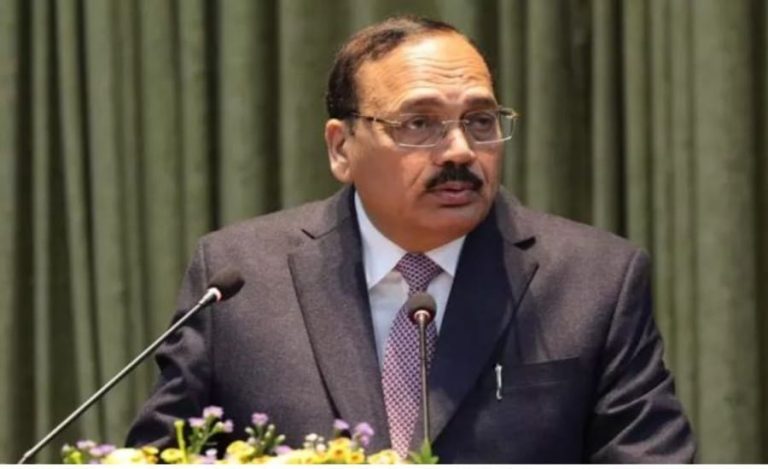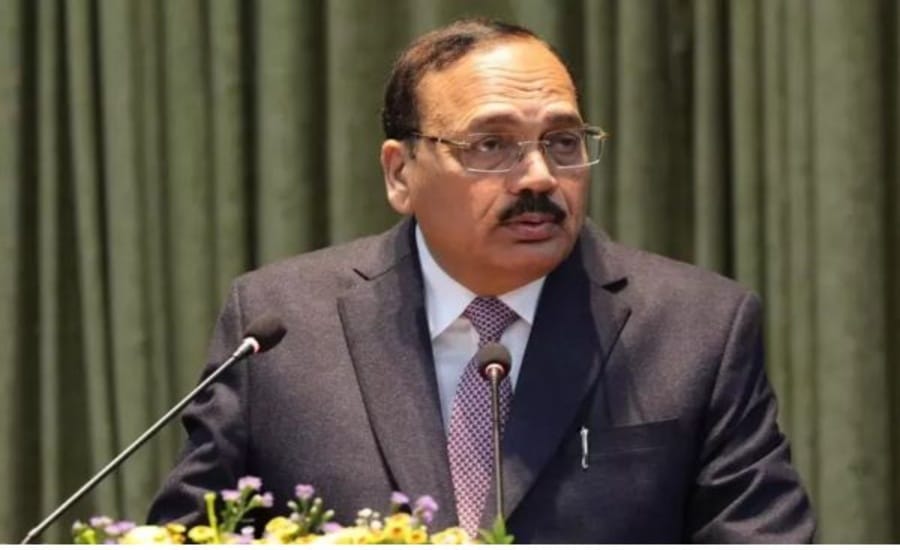
New Delhi: Chief Justice of India Surya Kant has said that opposition from bar associations prevented the Supreme Court’s plan to bring retired judges back to High Courts as ad hoc judges.
The initiative was aimed at reducing the growing backlog of pending cases. The CJI said that no Chief Justice could risk upsetting the Bar, as several bar associations had passed resolutions opposing the move.
Details of Retired Judges Appointment Plan
Speaking during a Supreme Court hearing on October 29, 2026, CJI Surya Kant recalled efforts made under former Chief Justice of India SA Bobde to revive the practice of appointing retired judges as temporary High Court judges.
Read also: CJI Surya Kant Remarks Row: SCBA Files Contempt Petition Against Wagle, Raut
He said that the Supreme Court wanted to bring this practice back into use. However, opposition from bar associations stopped the initiative from moving forward.
According to the CJI, several bar associations passed resolutions against the appointments. He remarked that no Chief Justice could risk annoying the Bar.
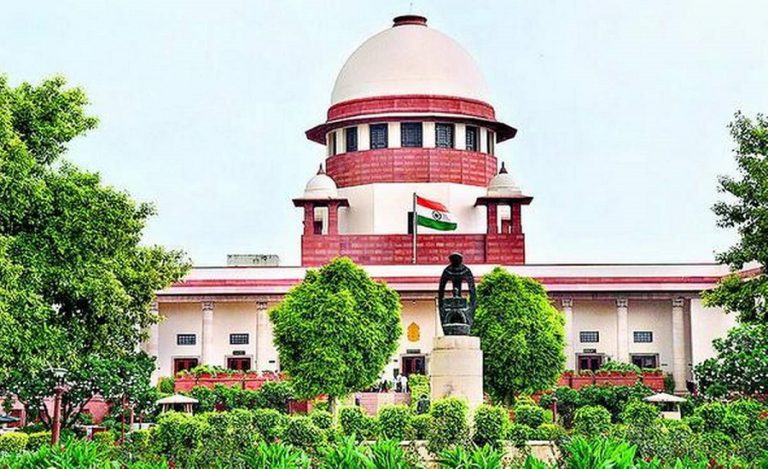
The observations were made by a Bench comprising CJI Surya Kant and Justices Joymalya Bagchi and V Mohana while hearing a dispute concerning the seniority of judicial officers in Rajasthan.
Retired Judges Appointment Plan: What Does Article 224A Of The Constitution Say
Article 224A of the Indian Constitution allows retired High Court judges to return temporarily as ad hoc judges. Under this provision, the Chief Justice of a High Court can request a retired judge of that High Court or another High Court to perform judicial duties again, with the prior consent of the President.
The provision is intended to help High Courts deal with pending cases by using the experience of retired judges. However, the appointment of retired judges is temporary and does not mean that they return to regular judicial service.
Supreme Court Had Relaxed Rules For Ad Hoc Judges
The Supreme Court had earlier taken steps to make the appointment of retired judges easier. On January 30, 2025, the Supreme Court allowed High Courts to appoint ad hoc judges up to 10% of their total sanctioned judicial strength.
This decision was important because several High Courts were facing a heavy workload and a large number of pending criminal cases.
The move was expected to help courts use experienced retired judges to speed up the disposal of old cases. However, the latest remarks by the CJI indicate that opposition from bar associations remained a major obstacle to implementing the initiative.
Justice Joymalya Bagchi Highlights Loss Of Judicial Experience
Justice Joymalya Bagchi also expressed concern about the situation. He said that some retired judges had offered their services but were left waiting for appointments. According to him, some of these judges avoided taking private assignments because they expected to return to judicial service.
He highlighted the importance of experienced judges and said that their knowledge and expertise were valuable resources for the judiciary.
Justice Bagchi also shared an example of a woman judge in the United States who continued to assist in important cases even after crossing 80 years of age. The example highlighted how experienced retired judges can continue contributing to the justice system.
Retired Judges Appointment Plan: CJI Surya Kant Raises Concerns Over Judicial Officers’ Pension
During the hearing, the discussion also turned towards the pension problems faced by judicial officers.
CJI Surya Kant recalled meeting two judicial officers from Haryana and Punjab who had resigned after serving for around seven to eight years.
According to the CJI, one officer told him that under the new pension rules, he expected to receive only around ₹25,000 per month after retirement. The officer reportedly decided to return to legal practice because he was worried about his financial future.
The CJI said that these were talented officers who had previously worked as advocates before joining judicial service.
Senior Advocate PS Patwalia Seeks Attention To Pension Issues
Senior Advocate PS Patwalia also raised concerns about the pension system for judicial officers.
He requested the Supreme Court to examine the issue and consider the difficulties faced by judicial officers after retirement. Justice Bagchi connected the issue with judicial independence.
He observed that proper retirement benefits are important to protect the independence of the judiciary and ensure that judicial officers can work without financial worries.
Menaka Guruswamy Highlights Importance Of Experienced Judges
Senior Advocate Menaka Guruswamy also joined the discussion during the hearing. She referred to examples from the United States, where retired Supreme Court judges sometimes return to hear selected cases.
She recalled that former US Supreme Court Justice Sandra Day O’Connor returned to deal with specific matters after retirement.
Justice Bagchi also discussed the differences between the Indian and American judicial systems. He pointed out that India has a strict judicial hierarchy, while the structure of the US federal judiciary is different.
The discussion highlighted the importance of experience, judicial knowledge and the effective use of available judicial resources.
Read also: Chief Justice of India Surya Kant Responds Strongly After Fake Caste Comment Spreads Online
FAQs
Article 224A allows retired High Court judges to be temporarily appointed as ad hoc judges with the required consent of the President.
The plan faced opposition from bar associations, which passed resolutions against appointing retired judges as ad hoc High Court judges, according to CJI Surya Kant.
Under the Supreme Court’s January 30, 2025 decision, High Courts can appoint ad hoc judges up to 10% of their total sanctioned judicial strength.