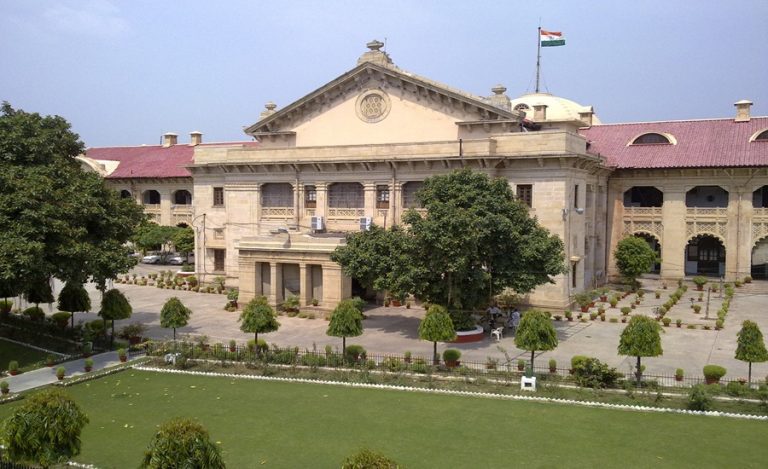
Chennai, Tamil Nadu: A high-profile public interest litigation (PIL) has been filed in the Madras High Court challenging the most recent High Court Collegium’s recommendations for judicial appointments, igniting a significant debate on judicial transparency, meritocracy, and perceived political influence in judicial elevation processes.
Filed by Advocate A. Prem Kumar, a practicing lawyer from Thiruvannamalai district in Tamil Nadu, the petition contends that the Madras High Court Collegium’s latest list of recommended candidates reflects undue favouritism and bias, rather than objective merit and balanced representation.
Background of Madras High Court Collegium Challenge
Under the Indian judicial framework, appointments of High Court judges are made on the basis of recommendations by a collegium — typically consisting of the Chief Justice of the High Court and two senior judges.
These names are forwarded to the Supreme Court Collegium and ultimately to the Government for final approval. The process is meant to balance judicial independence with administrative oversight.
Read also: Madras High Court Slaps Rs1 Lakh Fine on Advocate for “Frivolous” PIL Against IAS Spokespersons
However, the system has long been criticized for lack of transparency, as deliberations and selection criteria remain largely confidential. Critics argue that opaque decision-making can lead to perceptions of bias, political influence, or favoritism — especially in appointments with high stakes for legal careers and institutional credibility.
Madras High Court Collegium Challenge: What the Petition Alleges
In the petition before the Madras High Court, Advocate Prem Kumar claims that the recent collegium recommendations show:
Preference for candidates with political affiliations: The plea asserts that several recommended advocates have “strong ties” to political entities aligned with the ruling government at the Centre, undermining the perception of an impartial judiciary.
Bias in selection criteria: According to the plea, the selection appears to disregard balanced merit assessment, seniority of advocates and judicial officers, and broader representation across legal communities.
The PIL underscores that judicial appointments must adhere to constitutional principles of equality, fairness, and neutrality, and it urges the court to review the entire recommendation exercise.
Legal Stakes and Broader Judicial Concerns in Madras High Court Collegium Challenge
The challenge in the Madras High Court taps into a larger national conversation about judicial appointments in India.
Over the past decade, multiple petitions have been filed in various courts across the country questioning collegium decisions — whether alleging insufficient reasoning, overlooked seniority, or alleged favoritism.
Typically, courts have been cautious in entertaining such challenges, often emphasizing the collegium’s autonomy and limited scope for judicial review of internal deliberations.
For example, past Supreme Court decisions have held that suitability of recommended candidates at the initial consultation stage may not be subject to judicial scrutiny.
Yet the current petition’s emphasis on alleged political bias adds a fresh dimension to these debates, potentially setting the stage for judicial examination of the collegium’s internal reasoning and selection benchmarks.
What Happens Next?
Following filing, the Madras High Court is expected to:
1. List the matter for hearing: The court may issue notices to the High Court Collegium and other respondents.
2. Examine legal standing: Justices will determine whether the PIL has sufficient grounds to probe into the collegium’s decision-making process.
3. Consider constitutional interpretations: Any affirmative judicial review of collegium decisions could have far-reaching implications for judicial appointments nationwide.
Legal experts caution that the judiciary’s autonomy must be balanced with accountability, and any ruling may shape future collegium conduct and transparency standards.