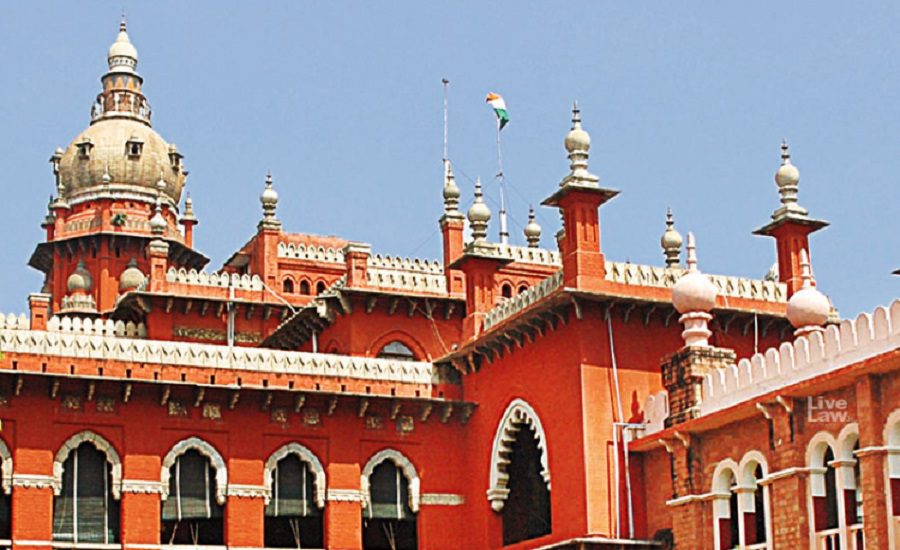
Chennai: The Madras High Court has taken a strong and uncompromising stance against the continued existence of the controversial ‘orderly system’ in Tamil Nadu, expressing serious concern over reports that the colonial-era practice is still being followed despite its official abolition more than four decades ago.
The court has now sought a detailed explanation from the Tamil Nadu state government, signalling a renewed judicial push to completely eradicate the system.
Madras High Court Orderly System Case
The orderly system refers to the practice of deploying police personnel or government staff as personal attendants for senior serving or retired officials, often to perform domestic or non-official duties.
Widely criticised as exploitative and regressive, the system is considered a colonial hangover that undermines the dignity of uniformed personnel and violates service norms.
Importantly, the system was officially abolished in Tamil Nadu in 1979 through a government order. However, repeated court observations over the years indicate that the practice has not been fully eliminated on the ground.
Madras High Court Orderly System Case: Court’s Strong Observations on Continued Violations
A division bench of the Madras High Court, comprising Justice S.M. Subramaniam and Justice C. Kumarappan, came down heavily on the continued reports of orderlies being deployed at the residences of serving and retired government officials, despite explicit judicial and executive prohibitions.
The court observed that the persistence of such practices reflects a systemic failure in enforcement and raises serious questions about accountability within the administration.
Refusal to Entertain Police Report Triggers Tough Questions
In a significant development, the High Court refused to entertain a report filed by the Director General of Police (DGP), Tamil Nadu, which claimed that the orderly system had been completely abolished in the state.
The bench noted that recent media reports and complaints suggested otherwise, indicating a clear contradiction between official claims and ground realities.
As a result, the court directed the Chief Secretary and the Home Secretary of Tamil Nadu to submit a detailed explanation on:
- Whether the orderly system still exists in any form
- What mechanisms are in place to prevent its misuse
- What disciplinary actions have been taken against violators
Earlier Judicial Directions and Warnings
The Madras High Court has consistently taken a firm position on this issue. In August 2022, Justice S.M. Subramaniam had issued explicit directions for the complete abolition of the orderly system across the state.
Key directions issued earlier include:
- Immediate removal of orderlies posted at the residences of retired officials
- Initiation of disciplinary action against officials found engaging orderlies
- Recovery of salary paid to orderlies from erring officials
- Departmental action against senior officers enabling the practice
The court had also warned that any complaint regarding the practice would invite strict action, irrespective of the rank of the official involved.
Madras High Court Orderly System Case: Court Expresses Disappointment Over Lack of Progress
Despite these clear directives, the court lamented in 2024 that the practice appeared to be continuing, pointing to a lack of seriousness in enforcement by the state machinery.
The bench underscored that police personnel are appointed to serve the public and maintain law and order—not to act as personal servants to influential individuals.
What Happens Next?
The Tamil Nadu government is now required to submit a comprehensive explanation addressing the court’s concerns.
Depending on the response, the High Court may:
- Order an independent verification of postings
- Direct statewide audits of police deployment
- Issue contempt proceedings in case of non-compliance
The case is expected to be closely watched as a litmus test of the state’s commitment to dismantling outdated and unjust administrative practices.
Read also: Temple vs Dargah: Tamil Nadu Moves Supreme Court Over Thiruparankundram Hill Deepam Row