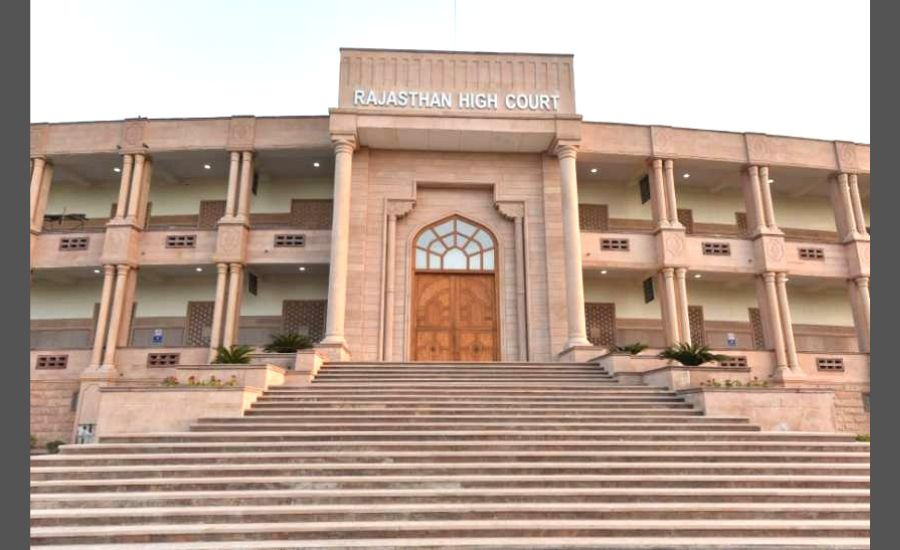
Jaipur: The Rajasthan High Court Bar Association has formally requested a reconsideration of the recent administrative directive issued by the Rajasthan High Court, which mandated that the court will operate on the 1st and 3rd Saturdays of every month.
The Bar’s representation, submitted to the Acting Chief Justice, underscores significant objections to the policy’s implementation and potential ramifications for the justice delivery system in the state.
Background of Rajasthan HC Working Saturday Ruling
In mid-December 2025, the Rajasthan High Court announced it would begin hearing matters on two Saturdays each month — specifically the first and third Saturdays — to address the perennial issue of case pendency and accelerate judicial processes.
This decision marked a notable change in working practices, making Rajasthan one of the first high courts in India to adopt a regular Saturday hearing schedule as a systemic measure to cut backlog.
The move followed broader judicial encouragement from the Chief Justice of India (CJI) urging High Courts across the country to expand working days where feasible, with the primary aim of improving judicial efficiency and ensuring timely justice.
Rajasthan HC Working Saturday Ruling: Key Points of the Reconsideration Request
The newly elected leadership of the Bar Association — represented by Bar President Rajeev Sogarwal and Secretary Deepesh Sharma — submitted a detailed representation to the Acting Chief Justice outlining several core concerns:
1. Traditional Weekend Uses and Workload Balance
The Bar argued that Saturdays have historically functioned as the only non-court working day for judges, lawyers, and support staff, providing essential time for personal responsibilities, rest, and preparation for the upcoming week’s cases — particularly those scheduled on Mondays.
According to the representation, converting Saturdays into regular working days jeopardizes this balance and risks professional burnout, which could adversely affect the quality of justice delivery rather than enhance it.
2. Disruption to Alternative Dispute Resolution (ADR) Mechanisms
A significant concern highlighted was the impact on Alternative Dispute Resolution (ADR) processes — such as arbitration, mediation, conciliation, and settlement negotiations — which typically take place on Saturdays.
These mechanisms play a crucial role in reducing litigation and lowering the caseload of formal court proceedings.
The Bar contends that reallocating Saturdays to court hearings could undermine these ADR practices, counteracting the very objective of reducing pendency.
3. Impact on Judicial Administration & Quality of Judgments
The representation also notes that judges frequently use Saturdays for judicial research, assignment of reserved judgments, and academic preparation — activities essential for maintaining the quality and timeliness of judgments.
Regular court sittings on Saturdays, therefore, may hinder these functions and delay decision-making.
4. Health and Well-Being of Legal Fraternity
Another point underscored in the Bar’s plea is the health and well-being of all stakeholders — including judges, advocates, and court staff. Continuous work without traditional off-days may contribute to stress, fatigue, and reduced productivity, which could, in turn, impact the justice system’s effectiveness.
Proposed Alternatives by the Bar
Rather than endorsing working Saturdays, the Bar suggested several alternative strategies for addressing case backlog without fundamentally altering work-life balance:
- Rationalization of case listings to improve court efficiency
- Expanding use of technology and virtual hearings to optimize scheduling
- Filling judicial and administrative vacancies promptly
- Strengthening procedural case oversight roles, especially through the Registrar (Judicial)
- Constituting special benches or drive-based disposal exercises during regular working days
- Institutionalizing and actively supporting ADR mechanisms to reduce trial burdens
These proposals reflect a broader view that backlog challenges require systemic remedies rather than scheduling changes alone.
Stakeholder Consultation and Implementation Concerns on Rajasthan HC Working Saturday Ruling
The Bar also emphasized that a decision of this magnitude — one that fundamentally affects the professional and personal lives of legal practitioners and judicial officers — should only be implemented after meaningful stakeholder consultations.
It called for a consensus-based approach involving Bar associations, court employees, legal services institutions, and other relevant parties.