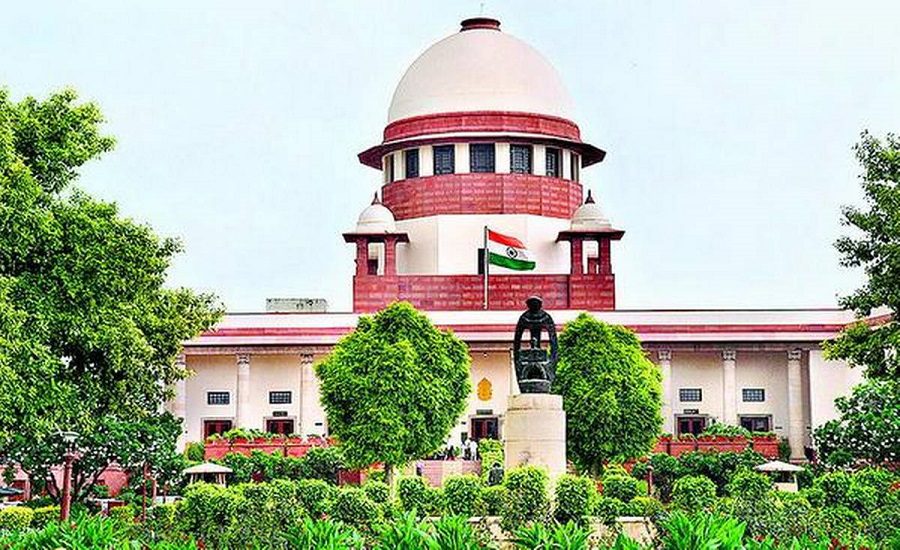
New Delhi: In a landmark ruling with far-reaching implications for judicial officers across India, the Supreme Court of India has allowed a serving judicial officer from Uttarakhand to appear for the Himachal Pradesh Judicial Service (HPJS) examination, overturning a refusal by the Uttarakhand High Court that denied permission without justification. This decision upholds the principle that state judicial officers may seek recruitment opportunities in other states when no rule bars such participation.
Background of the Vishal Thakur Uttarakhand Judge Case
India’s judicial system allows judicial officers to serve in various capacities across states, but procedural rules and permissions governing interstate movement can vary. Recent years saw several disputes when High Courts refused to grant permission to officers seeking to sit for service exams in other states, citing administrative concerns rather than legal provisions.
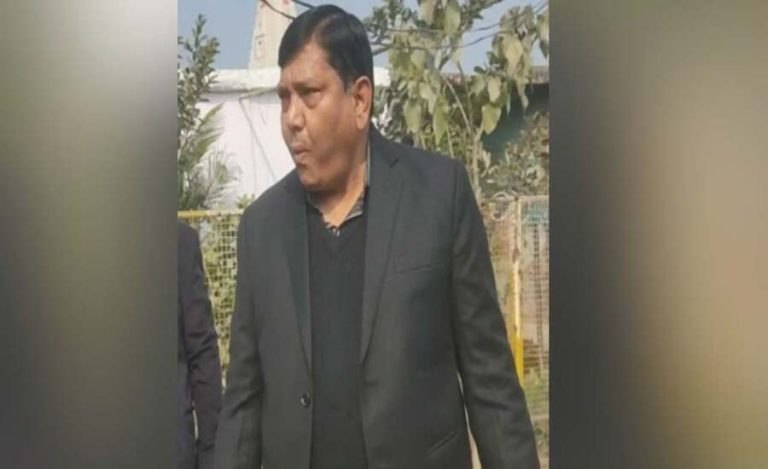
The Uttarakhand judicial officer at the centre of this case, Vishal Thakur, is originally from Bilaspur district in Himachal Pradesh and had cleared the Uttarakhand Judicial Service Examination before being appointed as Civil Judge (Junior Division) in Uttarakhand. He applied to appear for the Himachal Pradesh Judicial Service exam after the notification was issued, but was denied permission by the Uttarakhand High Court without any stated reason.
Vishal Thakur Uttarakhand Judge Case: The Supreme Court Ruling
On Wednesday, 4 February 2026, a Bench of the Supreme Court comprising Justice BV Nagarathna and Justice Ujjal Bhuyan ruled in Vishal Thakur v. The High Court of Uttarakhand and Anr., quashing the High Court’s rejection letter and allowing the officer to sit for the HPJS preliminary examination.
“The letter dated 19.02.2025 issued by Respondent No.1 (Uttarakhand High Court) is quashed… and the prayers sought by the petitioner herein are granted,” the Court stated in its order.
The Supreme Court agreed that there was no provision under the Uttarakhand Judicial Service Rules that prohibited a serving officer from appearing for another state’s judicial examination. In the absence of any restriction, the unexplained denial was deemed arbitrary and violative of constitutional rights under Articles 14 and 21 of the Constitution of India.
Key Points from the Vishal Thakur Uttarakhand Judge Case
Here are the key points from the case;
No Rule Against Interstate Judicial Service Exams
The Court clarified there was no rule forbidding judicial officers of a state from applying for judicial service positions in another state when eligible.
Arbitrary Denial Was Struck Down
The Uttarakhand High Court’s rejection of permission was quashed because it failed to provide any legal justification for its decision.
Fundamental Rights Upheld
The Supreme Court held that denial of permission without justification violated the officer’s fundamental rights to equality before law and personal liberty.
What This Means for Judicial Officers
This ruling ensures that:
- Serving judicial officers can seek opportunities across different state judicial services if eligible under the respective recruitment rules.
- High Courts must provide clear, legal reasons if intending to restrict an officer’s appearance in such competitive exams.
- Administrative discretion cannot override constitutional rights or statutory eligibility provisions.
Legal experts believe this will encourage greater flexibility and transparency in judicial recruitment, strengthening professional mobility within the judiciary.
Broader Judicial Recruitment Landscape
Judicial recruitment in India operates through both state judicial services exams and appointments via High Court/Public Service Commission notifications. In recent years, the Supreme Court has been actively addressing eligibility criteria and procedural fairness in various judicial selection disputes.
This includes discussions around experience requirements, intra-state mobility, and equitable opportunities for serving officers and advocates. This ruling fits into the larger theme of balancing administrative interest with individual rights within India’s judicial system.